
Musk Wins Appeal That Restores 2018 Tesla Pay Deal Now Worth About $139 Billion
Elon Musk’s $139 billion Tesla compensation package is reinstated after court appeal, sparking debate over executive pay and corporate governance

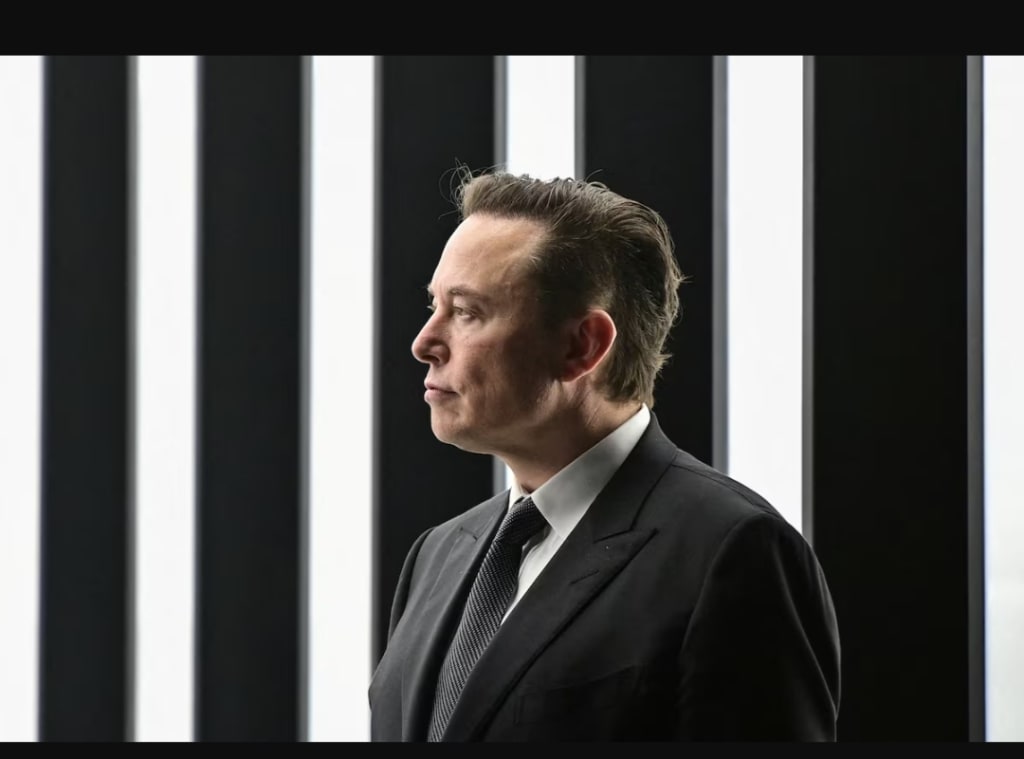
Elon Musk has won a high-profile legal appeal that restores his controversial 2018 Tesla compensation package, a deal now estimated to be worth around $139 billion due to Tesla’s long-term stock growth. The decision marks a major victory for Musk and Tesla, while reigniting debates over executive pay, corporate governance, and shareholder rights in modern America’s largest public companies.
The ruling reverses a previous court decision that had invalidated the pay package, citing concerns over board independence and shareholder fairness. With the appeal outcome, Musk’s record-breaking compensation plan is once again legally intact — and once again under intense public scrutiny.
What Was the 2018 Tesla Pay Deal?
In 2018, Tesla shareholders approved a performance-based compensation plan for Elon Musk that was unprecedented in scale. Rather than a traditional salary or cash bonus, the deal awarded Musk stock options tied to ambitious milestones, including Tesla’s market capitalization, revenue growth, and operational targets.
At the time, the package was valued at roughly $56 billion, already making it the largest executive compensation plan in corporate history. Musk famously took no salary, arguing that his compensation would only materialize if Tesla achieved extraordinary success.
Over the years, Tesla’s stock surge dramatically increased the value of those options, pushing the estimated worth of the deal to approximately $139 billion, depending on market conditions.
Why the Deal Was Challenged
Despite shareholder approval, the compensation plan faced legal challenges. Critics argued that Tesla’s board of directors was too closely aligned with Musk and failed to negotiate the deal at arm’s length. Lawsuits claimed shareholders were not fully informed and that the compensation was excessive, even by Silicon Valley standards.
A lower court ruling initially sided with those concerns, invalidating the package and sending shockwaves through the corporate world. The decision raised fears that performance-based pay agreements — even when approved by shareholders — could be overturned if governance processes were questioned.
Tesla and Musk appealed the ruling, setting the stage for a legal battle with major implications.
The Appeal Decision and Its Significance
The successful appeal restores Musk’s compensation package and reinforces the argument that shareholders knowingly approved the deal. The court’s decision emphasized the importance of respecting shareholder votes, particularly when compensation is directly tied to measurable performance goals.
For Musk, the ruling represents a personal and professional vindication. He has long argued that the deal aligned his interests with Tesla’s success and rewarded results rather than promises.
For Tesla, the outcome removes a cloud of legal uncertainty that had lingered over its leadership structure and long-term incentive plans.
Reactions from Investors and Critics
Reactions to the appeal decision have been sharply divided. Supporters argue that Musk earned the compensation by transforming Tesla into one of the world’s most valuable automakers and accelerating the global shift toward electric vehicles.
They point out that the deal only paid out because Tesla met or exceeded its targets — something many doubted was possible in 2018.
Critics, however, warn that the restored pay package sets a troubling precedent. They argue that compensation on this scale deepens inequality, weakens board oversight, and concentrates excessive power in the hands of a single executive.
Corporate governance experts caution that boards must maintain independence, regardless of a CEO’s influence or track record.
Broader Implications for Corporate America
The case carries broader implications beyond Tesla. It underscores ongoing tensions between:
Executive ambition and accountability
Shareholder democracy and board responsibility
Innovation-driven leadership and traditional governance norms
As companies increasingly rely on visionary founders to drive growth, courts and investors alike are grappling with how much control — and compensation — is too much.
The ruling may encourage other companies to pursue aggressive, performance-based pay structures, while also reminding boards to document transparency and independence carefully.
Musk’s Expanding Influence
Elon Musk’s influence extends far beyond Tesla. As CEO of multiple companies spanning electric vehicles, artificial intelligence, space exploration, and social media, Musk occupies a unique position in global business.
The restored pay deal further cements his financial power and reinforces his ability to shape Tesla’s long-term strategy without traditional compensation constraints. Musk has previously suggested that significant equity stakes are necessary to maintain focus and prevent external shows of control over innovation-driven companies.
Ongoing Questions and Future Challenges
Despite the appeal victory, questions remain. Tesla shareholders may still debate whether the compensation aligns with the company’s future goals, especially as Tesla faces increased competition, regulatory pressures, and market volatility.
There are also broader public policy discussions about whether current laws adequately address executive pay in an era where stock-based compensation can balloon into sums once considered unimaginable.
For now, the appeal decision stands as a defining moment in corporate legal history.
Conclusion
Elon Musk’s successful appeal restoring his 2018 Tesla pay deal represents a landmark ruling with consequences far beyond one executive or one company. With the package now valued at approximately $139 billion, the decision reinforces the power of shareholder-approved performance incentives while reigniting debates over fairness, governance, and accountability.
Whether viewed as a justified reward for extraordinary results or an excessive symbol of corporate imbalance, the ruling ensures that Elon Musk — and the conversation surrounding executive pay — remains firmly in the global spotlight.
About the Creator
Asad Ali
I'm Asad Ali, a passionate blogger with 3 years of experience creating engaging and informative content across various niches. I specialize in crafting SEO-friendly articles that drive traffic and deliver value to readers.
Australia Wellness Tourism Market Growth, Forecast, and Strategic Insights 2034
Wellness tourism has become one of the fastest-growing segments of the global travel industry, and Australia is emerging as a key destination for travelers seeking relaxation, healing, and holistic well-being experiences. From luxury spa resorts and yoga retreats to nature-based mindfulness experiences and Indigenous cultural healing programs, the country offers a wide variety of wellness-focused travel opportunities.
By Rashi Sharma5 days ago in Trader
Australia Advertising Market Growth, Forecast, and Strategic Insights 2034
Advertising plays a critical role in shaping brand identity, influencing consumer behavior, and driving business growth. In Australia, the advertising industry has undergone a significant transformation over the past decade as businesses increasingly adopt digital channels, advanced analytics, and personalized marketing strategies. From traditional television and print media to digital platforms and influencer marketing, advertising continues to evolve alongside changing consumer habits.
By Rashi Sharma5 days ago in Trader




Comments
There are no comments for this story
Be the first to respond and start the conversation.