
Maximizing Efficiency: How to Optimize Your Cone Crusher’s Performance
This article delves into comprehensive strategies that can be employed to optimize the performance of your cone crusher, ensuring enhanced productivity and lower operational costs.
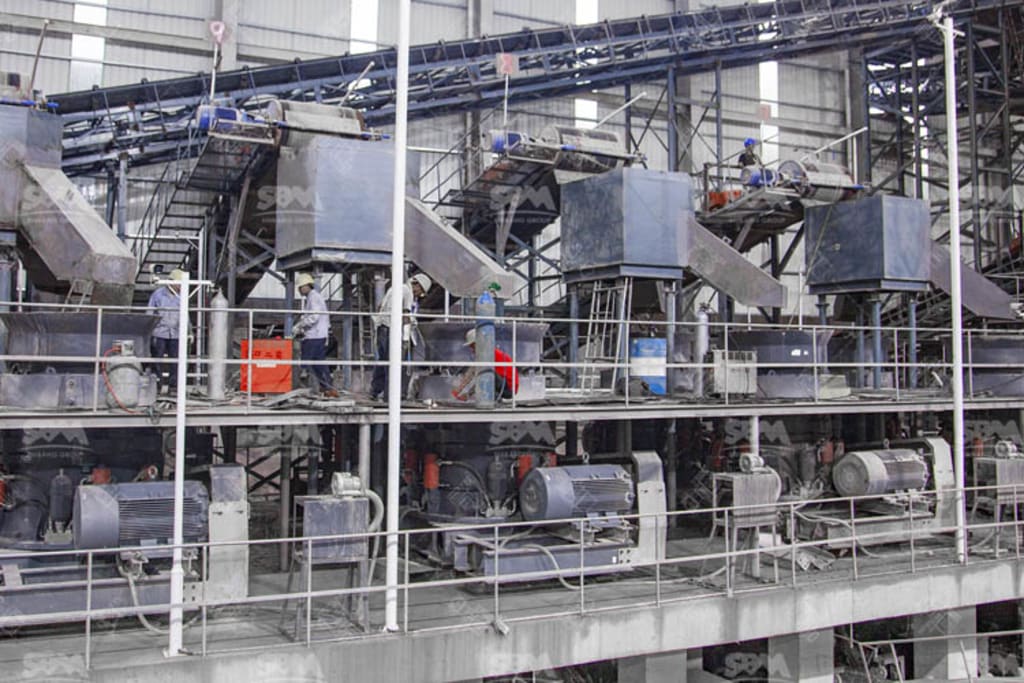
Cone crushers are a cornerstone of the mining and construction industries, serving as effective solutions for crushing various materials into smaller, manageable sizes. However, to realize the full potential of a cone crusher, maximizing its efficiency is crucial. This article delves into comprehensive strategies that can be employed to optimize the performance of your cone crusher, ensuring enhanced productivity and lower operational costs.
1. Regular Maintenance
Schedule Routine Inspections
Regular maintenance is the backbone of any efficient operation. Consistent inspections help identify potential issues before they escalate into significant problems. Key areas to focus on include:
Wearing Parts: Check liners, mantles, and other wear components for signs of fatigue or damage. Replacing these parts before they are entirely worn out can prevent costly downtime.
Hydraulic Systems: Examine hydraulic hoses and connections for leaks or damage. Maintaining the hydraulic system is essential for the crusher’s operation and can prevent catastrophic failures.
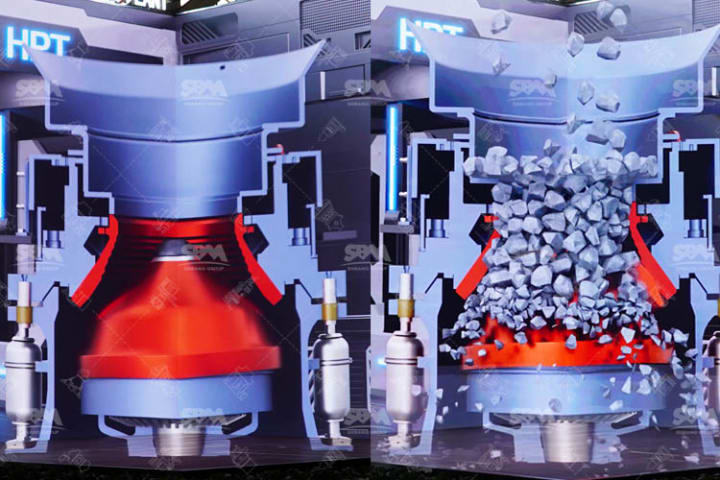
Lubrication Management
Proper lubrication is crucial for reducing friction and wear, ensuring the longevity of your cone crusher. Follow these guidelines:
Use High-Quality Lubricants: Select lubricants that meet the manufacturer’s specifications to ensure optimal performance.
Monitor Oil Levels: Regularly check and maintain oil levels within the recommended range. Low oil levels can lead to overheating and increased wear.
2. Optimize Feed Material
Monitor Feed Size
Feeding material that exceeds the recommended size can cause blockages, leading to increased wear and possible damage to the crusher. To optimize feed material:
Use a Primary Crusher: If necessary, employ a primary crusher to reduce the size of larger material before it enters the cone crusher.
Screen Material: Implement screening processes to ensure that the feed material is consistently within the optimal size range.
Maintain Consistent Feed
Achieving a steady and consistent feed is essential for efficient operation. Fluctuations in feed size or volume can result in inefficiencies:
Utilize Feeders: Automatic or controlled feeders can help maintain consistent material flow, reducing the risk of bottlenecks and ensuring optimal crushing conditions.
Monitor Production Rates: Regularly track feed rates to identify patterns that may indicate the need for adjustments.
3. Adjust Crusher Settings
Set the Closed Side Setting (CSS)
The closed side setting determines the size of the output material and plays a crucial role in optimizing performance. Regular checks and adjustments can lead to significant improvements:
Adjust for Material Type: Different materials may require different CSS settings. Adjusting the CSS based on the material being processed can improve product quality and reduce wear on components.
Monitor Product Size: Regularly check the output size to ensure it meets specifications. If deviations occur, recalibrating the CSS may be necessary.
Fine-tune Stroke and Speed
Both stroke and speed settings impact the efficiency of the cone crusher:
Adjust Stroke Length: The stroke length can be altered to match the material characteristics, affecting the crushing force and throughput.
Optimize Speed Settings: Fine-tune the speed settings based on the type of material being processed. Higher speeds can lead to increased throughput but may also increase wear rates.
4. Implement Effective Monitoring
Use Performance Metrics
Tracking key performance indicators (KPIs) is essential for identifying inefficiencies and areas for improvement:
Throughput Rates: Monitor the amount of material processed over a specific time to gauge efficiency.
Energy Consumption: Keep track of energy usage to identify potential cost savings and operational improvements.
Employ Real-time Monitoring Systems
Investing in advanced monitoring systems can provide real-time data on crusher performance:
Sensors and Data Analysis: Utilize sensors to monitor parameters such as temperature, vibration, and pressure. Analyzing this data can help predict maintenance needs and optimize operations.
Remote Monitoring: Consider systems that allow for remote monitoring, enabling quick responses to any issues that arise.
5. Train Operators
Provide Comprehensive Training
Well-trained operators are fundamental to maximizing the efficiency of your cone crusher:
Operational Techniques: Training should cover proper feeding techniques, loading practices, and the operation of controls.
Maintenance Procedures: Operators should be educated on basic maintenance tasks and the importance of regular inspections.
Encourage Feedback
Creating an environment where operators can share their insights and observations can lead to operational improvements:
Regular Meetings: Hold frequent meetings to discuss performance, challenges, and potential solutions.
Suggestion Programs: Implement a feedback system that encourages operators to contribute ideas for improving efficiency.
6. Utilize Quality Components
Invest in High-Quality Parts
Using high-quality and durable components can significantly enhance the performance and lifespan of your cone crusher:
OEM vs. Aftermarket Parts: While OEM parts are often recommended, consider reputable aftermarket options that meet or exceed OEM specifications for cost-effectiveness.
Regular Checks: Monitor the condition of all components and replace worn parts promptly to prevent further damage.
Regularly Replace Worn Components
Identifying and replacing worn components before they fail is crucial:
Create a Replacement Schedule: Develop a schedule for replacing critical components based on usage and wear patterns.
Inventory Management: Maintain an inventory of essential spare parts to reduce downtime when replacements are needed.
7. Optimize the Crushing Circuit
Integrate with Other Equipment
Effective integration with other equipment in the crushing circuit is essential for maximizing efficiency:
Feeders and Screens: Ensure that feeders and screens are properly calibrated to work in tandem with the cone crusher, facilitating smooth material flow.
Conveyors: Assess conveyor systems for optimal material transfer and adjust speeds as necessary to prevent bottlenecks.
Adjust the Crushing Sequence
Evaluate the sequence of operations within your crushing circuit:
Prioritize Efficiency: Adjusting the order of processing can enhance material handling and reduce wear on the cone crusher.
Experiment with Configurations: Consider different configurations to find the most efficient setup for your specific materials and operational goals.
Optimizing the performance of your cone crusher is essential for maximizing efficiency and productivity in your mining or construction operations. By focusing on regular maintenance, optimizing feed material, adjusting settings, implementing effective monitoring, training operators, utilizing quality components, and optimizing the crushing circuit, you can enhance the effectiveness of your cone crusher significantly.
These strategies not only improve operational outcomes but also contribute to cost savings and extended equipment lifespan, ensuring that your investment continues to yield positive returns. In an industry where every minute counts, maximizing the efficiency of your cone crusher can make a significant difference in your overall success.
About the Creator
India Online Food Delivery Market Size and Forecast 2026–2034
India’s online food delivery ecosystem is undergoing a remarkable transformation. According to Renub Research, the India Online Food Delivery Market is expected to reach US$ 269.77 billion by 2034 from US$ 46.34 billion in 2025, expanding at a CAGR of 21.62% from 2026 to 2034.
By Sakshi Sharma2 minutes ago in Trader
North America Smart Agriculture Market Size to Hit USD 10.4 Billion in 2034 | Grow CAGR by 7.60%
Market Overview Agriculture across North America is undergoing a significant transformation with the rapid adoption of smart farming technologies. Smart agriculture refers to the integration of advanced technologies such as Internet of Things (IoT), artificial intelligence, data analytics, drones, and automated equipment into agricultural operations. These technologies help farmers improve productivity, reduce operational costs, and optimize resource usage.
By Jackson Watson4 days ago in Trader
Tatt~Master
— Assembly Line Tatt Machine ~ Impressions to Impress — As I begin to understand more about the Tattoo Phenomenon. I've written silly, yet verbatim, dating site anecdotes in 'Frazzled.' So let me ask you: Would you be More attracted to someone slathered with tattoos, or Less?
By Jay Kantora day ago in Humor


Comments
There are no comments for this story
Be the first to respond and start the conversation.