
Level Gauge Installation Guide: Tips and Tricks for Accurate Readings
Learn how to choose the best level gauge for your liquid measurement needs with our comprehensive guide.
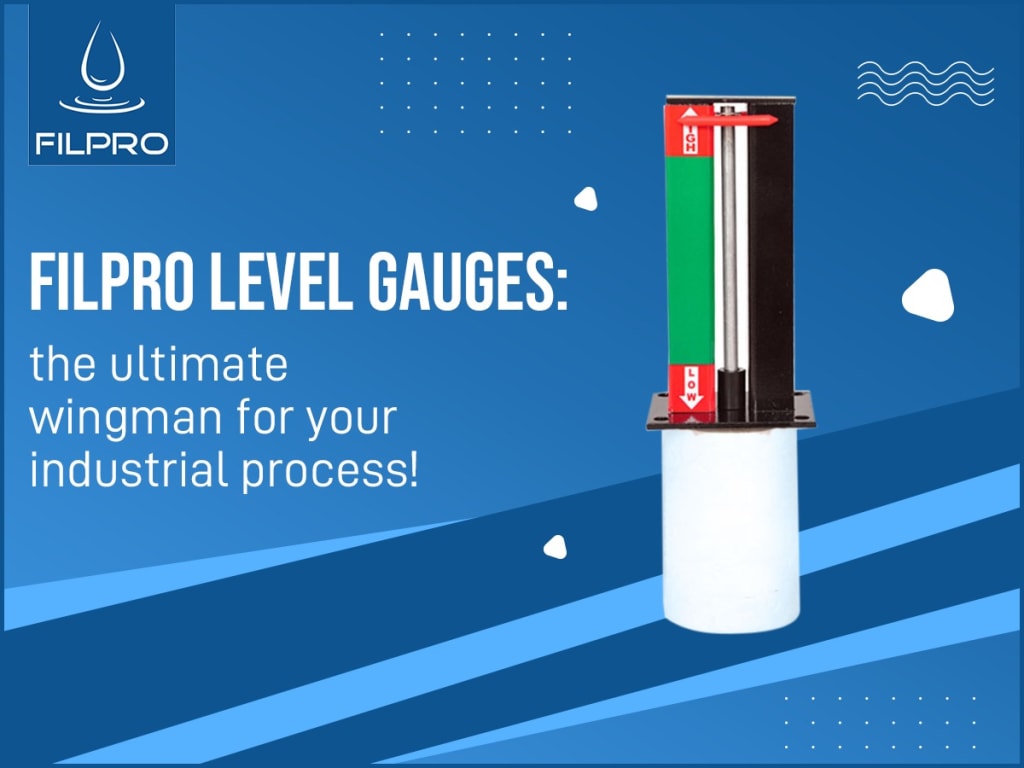
Introduction to Level Gauges
Level gauges are used to measure the level of liquid in a container or tank. Accurate liquid level measurement is essential for safety, process control, and inventory management. There are different types of level gauges available, including visual, electronic, and mechanical. Each type has its own advantages and disadvantages, and the choice of level gauge will depend on the application.
Different Types of Level Gauges
Visual Level Gauges: Visual level gauges are the simplest type of level gauge, consisting of a transparent tube or sight glass that shows the liquid level. They are easy to install and require minimal maintenance, but are not suitable for all applications. Visual level gauges can be used for applications with low pressure, low temperature, and low viscosity liquids. They are also suitable for hazardous environments where electronic or mechanical gauges may not be appropriate.
Electronic Level Gauges: Electronic level gauges use sensors to measure the liquid level and provide an output signal. They can be used in a wide range of applications and provide accurate readings, but can be expensive and require more maintenance than visual gauges. Electronic level gauges are suitable for applications with high pressure, high temperature, and high viscosity liquids. They can also be used for remote monitoring and control of liquid levels.
Mechanical Level Gauges: Mechanical level gauges use a float or a displacer to measure the liquid level. They are cost-effective and require minimal maintenance, but can be affected by changes in liquid density and viscosity. Mechanical level gauges are suitable for applications with low to medium pressure, temperature, and viscosity liquids. They are also used for applications where electronic gauges may not be suitable, such as in explosive environments.
Installation of a Level Gauge
Proper installation is essential to ensure accurate readings from a level gauge. Here are some tips for installing a level gauge:
- Choose the right type of level gauge for your application: The choice of level gauge will depend on the type of liquid being measured, the temperature and pressure conditions, and the accuracy requirements.
- Position the gauge so that it is easy to read: The level gauge should be positioned at eye level and in a location where it can be easily read by operators.
- Ensure that the gauge is level and plumb: The level gauge should be installed level and plumb to ensure accurate readings. Any tilt or misalignment can affect the readings.
- Install isolation valves to facilitate maintenance and repair: Isolation valves should be installed on both the inlet and outlet sides of the level gauge to facilitate maintenance and repair.
- Install a drain valve to remove any condensation or liquid buildup: A drain valve should be installed at the bottom of the level gauge to remove any condensation or liquid buildup.
Maintenance of a Level Gauge
Regular maintenance is necessary to ensure that a level gauge continues to provide accurate readings. Here are some tips for maintaining a level gauge:
- Clean the gauge regularly to remove any dirt or buildup: The level gauge should be cleaned regularly to remove any dirt, buildup, or debris that can affect the readings.
- Check for leaks and repair any damaged components: The level gauge should be checked for leaks and any damaged components should be repaired or replaced immediately.
- Replace any worn or damaged seals or gaskets: The seals and gaskets on the level gauge should be checked regularly and replaced if they are worn or damaged.
- Check the calibration of the gauge regularly: The calibration of the level gauge should be checked regularly to ensure that it is providing accurate readings.
Accuracy of a Level Gauge
The accuracy of a level gauge is critical for safety, process control, and inventory management. Regular calibration is necessary to ensure accurate readings. Here are some tips for maintaining the accuracy of a level gauge:
- Follow the manufacturer's recommended calibration procedure: The level gauge should be calibrated according to the manufacturer's recommended procedure to ensure accurate readings.
- Use a reference standard to calibrate the gauge: A reference standard should be used to calibrate the level gauge to ensure accurate readings.
- Calibrate the gauge at regular intervals: The level gauge should be calibrated at regular intervals to ensure that it is providing accurate readings.
- Check the accuracy of the gauge after any maintenance or repair work: After any maintenance or repair work is performed on the level gauge, its accuracy should be checked to ensure that it is providing accurate readings.
Conclusion
Level gauges are essential for accurate liquid level measurement in various applications. There are different types of level gauges available, and the choice will depend on the application. Proper installation, maintenance, and calibration are necessary to ensure accurate readings from a level gauge. Regular calibration is critical to maintaining the accuracy of a level gauge. By following the tips mentioned in this article, you can ensure accurate liquid level measurement and enhance safety and process control in your application.
About the Creator
Keep reading
More stories from writers in Trader and other communities.
What Is Leverage and How Does It Work in Spread Betting?
Spread betting is distinguished from regular investment by leverage, it gives traders significant market exposure for a minimal outlay. Leverage may boost earnings but also increase risk, so traders must grasp it before betting. This article discusses spread betting leverage, its dangers, and rewards.
By Alex Johnson6 days ago in Trader
Super Bowl LX Recap: A Team Called Hawks
Sixty. The Super Bowl turned 60! Still amazes me that this was the sixtieth Super Bowl played in NFL history. It seems like yesterday that I watched Super Bowl XXVII, the first SB I ever watched. The QB who won Super Bowl XXVII has since called a few SBs, and will call next year's game, but that's another story. Super Bowl LX took place at Levi's Stadium in Santa Clara, California, the home stadium of the San Francisco 49ers. However, it was one of their division foes who represented the NFC, as the Seattle Seahawks faced off against the New England Patriots.
By Clyde E. Dawkinsabout 18 hours ago in Unbalanced



Comments
There are no comments for this story
Be the first to respond and start the conversation.