
Latest Advances in Automation and Process Control in Asphalt Mixing Plants
What are the latest advances in automation and process control in asphalt mixing plants?

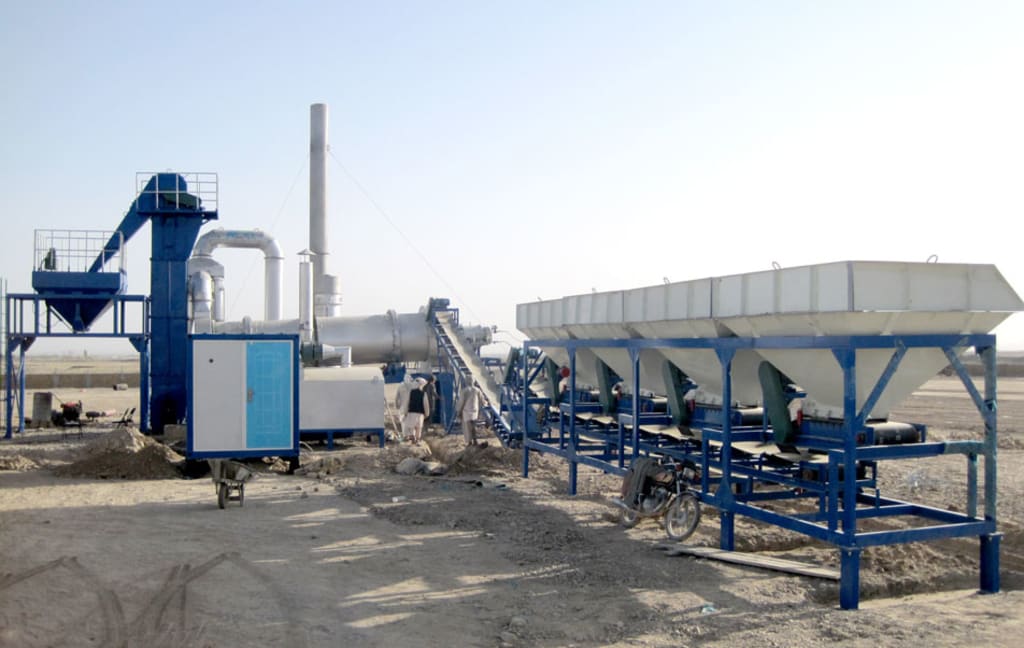
As the construction industry continues to evolve, asphalt mixing plants are embracing automation and advanced process control technologies to enhance efficiency, quality, and sustainability. For stakeholders in the asphalt production sector, understanding these innovations is essential to remain competitive and meet growing demands. This article will explore the latest advances in automation and process control, focusing on their practical implications for users in the field.

Enhanced Automation for Improved Efficiency
One of the most significant advancements in asphalt mixing plants is the integration of enhanced automation systems. These systems allow for real-time monitoring and adjustments, resulting in more efficient operations. For instance, modern plants are equipped with sophisticated sensors and control systems that track critical parameters such as temperature, mixing time, and material flow.
With mobile asphalt mixing plants, like those from manufacturers such as Ammann and Benninghoven, users can benefit from automated features that simplify the setup and operation process. These portable solutions enable quick deployment on various job sites while maintaining consistent quality through automated controls. Users can easily adjust settings via intuitive interfaces, ensuring that the asphalt produced meets specific project requirements without extensive manual intervention.
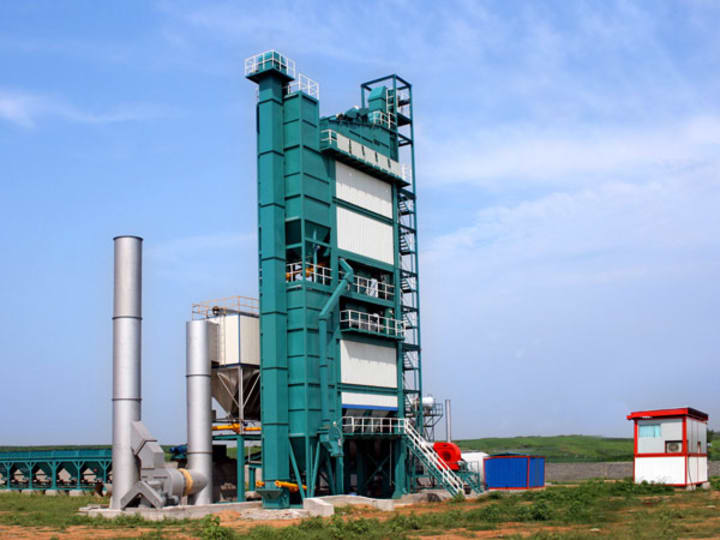
Fixed asphalt plants have also seen significant improvements. For example, plants equipped with advanced process control systems can automatically optimize the mixing process based on real-time data analysis. This capability not only boosts productivity but also enhances the quality of the asphalt mix, ensuring better performance in road construction. By minimizing human error and maximizing consistency, these automated systems support users in delivering superior results with reduced waste.
Intelligent Process Control for Quality Assurance
Automation in asphalt mixing plants extends beyond operational efficiency; it also plays a crucial role in quality assurance. Advanced process control technologies enable users to maintain stringent quality standards throughout the production cycle. For example, systems that utilize artificial intelligence (AI) and machine learning can analyze historical data to predict potential issues and optimize mixing parameters accordingly.

In drum mix plants, where the blending of aggregates and asphalt occurs continuously, intelligent process control can significantly improve the uniformity of the final product. By continuously monitoring the mix composition and making real-time adjustments, these systems ensure that the asphalt meets the required specifications for durability and performance. This is particularly beneficial for users focused on producing high-quality road surfaces that can withstand heavy traffic and varying weather conditions.
Furthermore, strong mix plants are increasingly incorporating feedback loops that allow for dynamic adjustments based on the material characteristics. Users can see immediate results from these adjustments, which not only enhances the quality of the asphalt but also reduces the likelihood of costly rework or project delays. In today’s competitive landscape, maintaining high-quality standards is paramount, and intelligent process control provides the necessary tools to achieve this goal.

Sustainability Through Automation
As environmental concerns become more pressing, the asphalt mixing industry is also leveraging automation to promote sustainability. Advanced technologies facilitate the use of recycled materials, which is a growing trend in asphalt production. For example, automated systems can accurately measure and incorporate reclaimed asphalt pavement (RAP) into new mixes, ensuring that users can produce sustainable asphalt without compromising quality.
Additionally, warm mix asphalt technologies, which allow for lower mixing temperatures, are increasingly being integrated into automated systems. By automating the control of these processes, users can minimize emissions and energy consumption while still achieving high-quality asphalt. Manufacturers are developing more efficient heating systems and process controls that seamlessly integrate these sustainable practices into daily operations.
In summary, the latest advances in automation and process control in asphalt mixing plants are transforming the industry from the ground up. For users, these innovations mean improved efficiency, better quality assurance, and a commitment to sustainability. Whether operating a mobile, fixed, drum mix, or strong mix plant, embracing these technologies will not only enhance productivity but also position businesses for long-term success in an evolving market. By staying informed and adopting these advancements, stakeholders can navigate the complexities of asphalt production with confidence and agility.
About the Creator
Macroad Asphalt Plant
Macroad, a global leading manufacturer in asphalt mixing plants, offers a wide range of specifications to meet diverse project needs. Its high-quality, efficient equipment is widely applied in road construction.
Keep reading
More stories from Macroad Asphalt Plant and writers in Trader and other communities.
Evaluating the Value of Upgrading Old Equipment in Asphalt Mixing Plants
Upgrading and transforming old equipment in asphalt mixing plants can significantly impact operational efficiency, product quality, and overall profitability. However, determining the value of such investments requires a thorough evaluation of several key factors. This article outlines essential considerations for asphalt plant operators looking to assess the benefits of upgrading their aging equipment.
By Macroad Asphalt Plant10 months ago in Trader
Philippines Telecommunications Market 2026: Connectivity Expansion, 5G Deployment & Digital Economy Growth
Philippines Telecommunications Market Overview The Philippines telecommunications market is experiencing steady expansion as connectivity becomes a critical driver of the country’s digital economy. Telecommunications services—including mobile voice, mobile data, broadband internet and pay-TV services—play a central role in enabling digital commerce, online education, fintech services and social connectivity. Increasing smartphone adoption, rising internet usage and government initiatives to improve nationwide connectivity are supporting the growth of telecom infrastructure across urban and rural regions.
By Manisha Dixit6 days ago in Trader
App Analytics Market Size and Forecast 2026–2034
The App Analytics Market is entering a period of strong expansion as organizations increasingly rely on data-driven insights to optimize digital experiences. According to industry estimates, the market is projected to grow from US$ 7.43 Billion in 2025 to US$ 31.29 Billion by 2034, registering a compound annual growth rate (CAGR) of 17.32% from 2026 to 2034.
By Sakshi Sharmaabout 2 hours ago in Trader


Comments
There are no comments for this story
Be the first to respond and start the conversation.