
Is the Hormozi Method to Investing Actually Smart - or Just Survivorship Bias?
When skipping investing is genius , and when it's just reckless

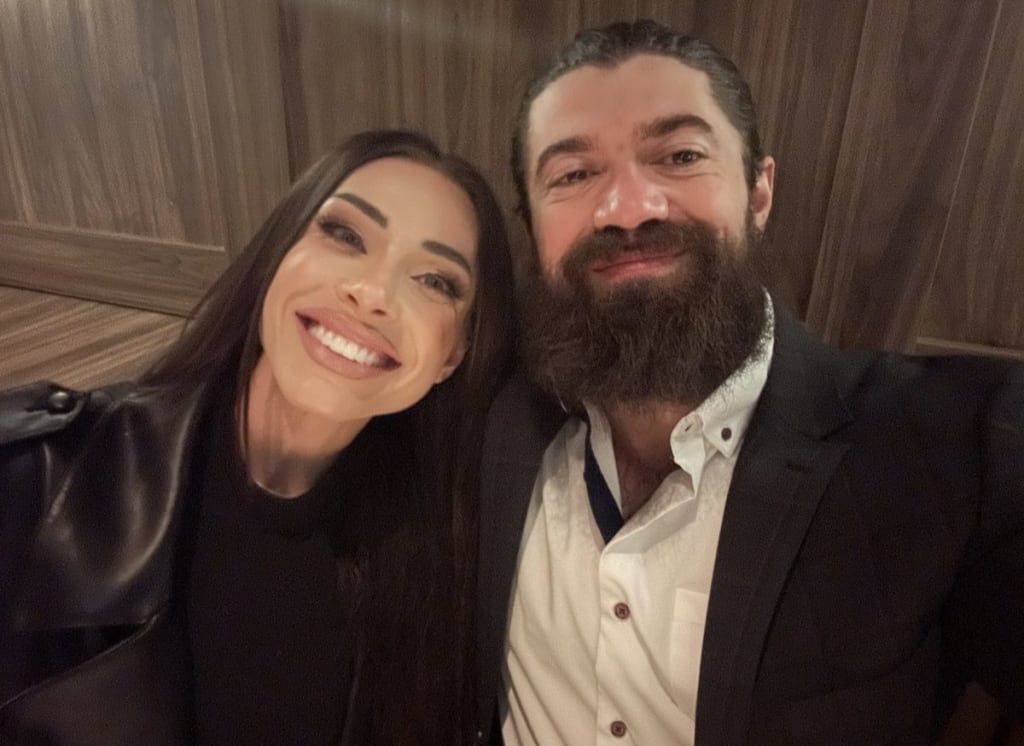
Alex Hormozi and Leila Hormozi didn't get rich by dollar-cost averaging into index funds in their 20s.
They built businesses.
Aggressively.
Obsessively.
For years.
The payoff was massive enough that traditional investing barely mattered.
That story is real.
It's also incomplete.
The internet loves to flatten it into a rule: don't invest - build a business instead.
Put every dollar into skills, self-education, personal development, and execution.
Become so valuable you don't need markets.
That advice sounds bold. It sounds disciplined. It sounds elite.
It's also risky if taken literally.
Here's the part that gets skipped: the Hormozis survived long enough to win. Most people don't.
This isn't pessimism. It's math.
Most businesses fail.
Not because people are lazy or stupid, but because timing, capital, execution, market fit, health, life events, and luck all collide in unpredictable ways. Even smart, driven people can do everything "right" and still lose years.
Betting everything on a future business outcome is not courage.
It's concentration risk.
The smarter play - especially for people without a financial backstop - is to hedge.
Invest in yourself and invest in your future.
These aren't competing strategies. They solve different problems.
Self-investment builds earning power.
Market investing builds financial gravity.
One increases how much you can make.
The other quietly compounds whether your business works yet or not.
If you delay ALL investing until your business "hits," you create a dangerous gap.
You can spend a decade working hard and still arrive in your 30s or 40s with nothing accumulated - no assets, no compounding, no optionality.
At that point, pressure increases. Decisions get tighter. Risk tolerance drops. Ironically, that's often when people stop playing bold.
Contrast that with someone who does both.
They build skills. They try businesses. Some fail. Some almost work. Meanwhile, they're consistently investing - boring, automated, unsexy. By the time one business finally clicks, they're not starting from zero. They're accelerating from a base.
That base matters more than people want to admit.
Because wealth isn't just about upside. It's about staying power.
The Hormozis could go all-in because they had unusual intensity, unusual discipline, and an unusual tolerance for delayed gratification. They also had each other, shared risk, and relentless execution. That combination is rare - even among high performers.
For everyone else, refusing to invest while "betting on yourself" can quietly turn into a decade-long stall.
There's also a psychological trap here.
When people say "I'm investing in myself," it often becomes a justification for spending without measurement - courses, masterminds, tools, books, coaches - without hard output. That's not investing. That's consumption with a better story.
Real self-investment shows up as skills turned into revenue, not vibes.
Meanwhile, market investing doesn't care how you feel. It just compounds.
The point isn't to choose safety over ambition. It's to stop pretending you have to choose at all.
Build the business. Learn the skills. Push hard.
But hedge yourself.
Let time work even while your ideas are still forming.
If the business wins early, great - you scale faster.
If it takes longer, you're not broke, desperate, or starting from scratch.
If it fails, you still own something that grew while you learned. AND YOU CAN START AGAIN, BUT NOT FROM ZERO.
That's not playing small.
That's playing to survive long enough to win.
BTW I am PRO TEAM Hormozi. They're brilliant and operate from pure beast mode. Exceptional work ethic that I admire 1,000X.
-
Financial Disclaimer: This article is for informational purposes only and should not be considered financial advice. Always do your own research and consult with a licensed financial advisor before making investment and financial decisions.
About the Creator
Destiny S. Harris
Writing since 11. Investing and Lifting since 14.
destinyh.com
Keep reading
More stories from Destiny S. Harris and writers in Trader and other communities.
Top tipple tricks
Been thinking a lot about drinking, lately. Not least because of a recent episode of over-indulgence and the inevitable after effects. Some readers may recall the earlier articles I wrote about beating the booze. Here I set out an experiment in techniques for cutting down on my alcohol intake. The experiment was successful, the techniques worked, and I have armed myself with an arsenal of weapons in the war against the demon drink. I have yet to fire the first round however. It's all a question of timing (perhaps procrastination).
By Raymond G. Taylor7 days ago in Psyche


Comments
There are no comments for this story
Be the first to respond and start the conversation.