
Inflation is not the bad guy?!
The reason why inflation must never reach 0% is....
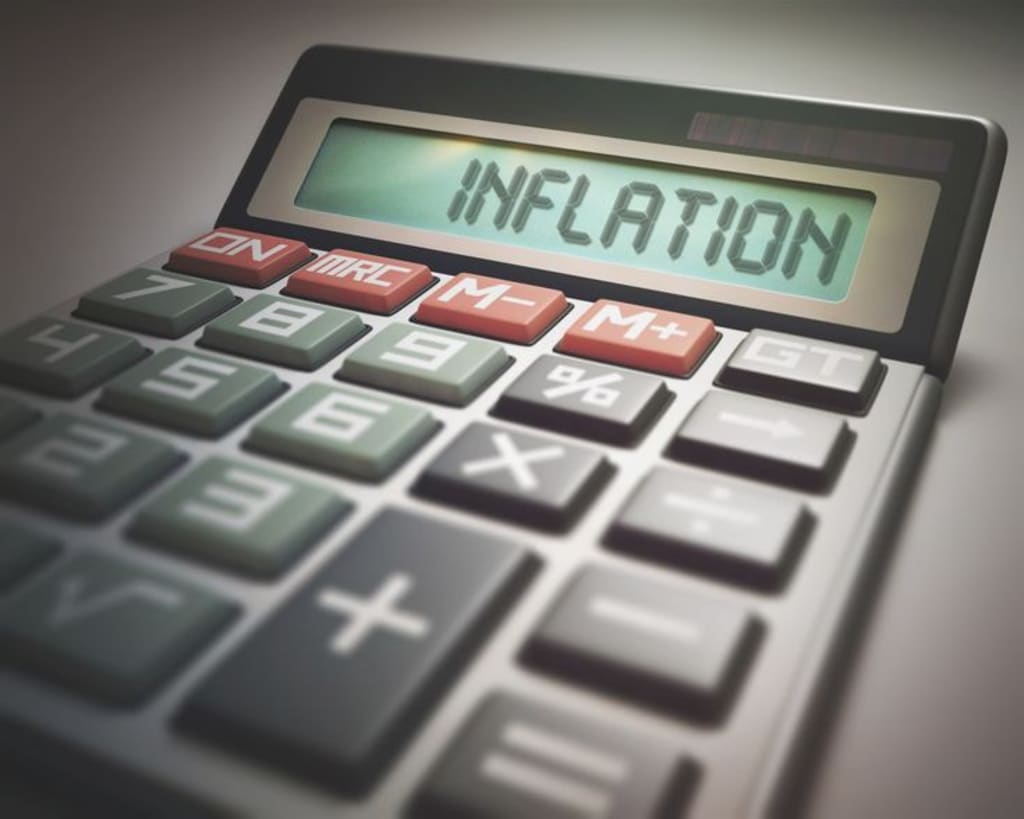
Inflation is causing stress.”
“Bad news about prices in the grocery store.”
“...historically high inflation.”
In 2022, many countries experienced a period of very high inflation. This means that the prices of things like food, housing, and transportation increased significantly. In the US, UK, and Eurozone, prices rose by around 10% on average. This means that everything cost 10% more than it did the year before. This is probably not news to anyone reading this, as it was a widespread problem. Thankfully, the situation has improved, and inflation is now closer to its normal range, although it's still a bit high. However, it's frustrating that when we look at charts, they only show the rate of change. This means that even though the chart might look better, it doesn't mean that prices have actually gone down. It just means that they're not increasing as quickly as they were before. And that's still a problem. Many people are struggling with the cost of living, businesses are suffering, and governments are trying to find solutions to the problem.
But, at the same time, if you were to, I don't know, find yourself reading and watching a ton of inflation related content... You'll also keep hearing this
“A little inflation is a good thing”
“A little inflation is a good thing.”
“A little inflation now would be a good thing.”
“Everybody wants a little inflation.”
Why? If rising prices hurt seemingly everyone, why can't they just stay the same? Why can't inflation be zero?
The first reason inflation can't stay at zero is that governments and central banks don't want it to. Many countries aim for a specific level of inflation, known as an "inflation target." Currently, the target in the US is around 2%, which is also the standard used by most central banks worldwide. However, this number is somewhat random. The real goal is to achieve what economists call a "virtuous cycle." This means that a moderate level of inflation is considered healthy for the economy, as it can stimulate growth and job creation, rather than causing problems.
When prices are rising, people tend to expect that they will continue to rise in the future. This expectation actually encourages people to spend their money now on big purchases like cars or appliances, because they want to avoid paying even more for the same thing later on. At the same time, the prices of essential goods like food and clothing also go up, which means people have to spend more money on these necessities. As a result, companies make more money, which leads to more jobs and more money in people's pockets. With more money, people are able to spend more, which creates more demand for goods and services. This increased demand then drives prices even higher. So, the cycle continues. But this part of the cycle is actually important and beneficial, which is why it's considered a 'virtuous cycle'."
It's okay if prices go up as long as wages also increase at the same pace. This way, you'll still be able to afford the same things. But, it's important to note that this hasn't always happened. In the US, for two years, wages didn't keep up with inflation. But, starting in mid-2023, that changed. Wages, especially for lower-income workers, have now caught up with inflation and even surpassed it in many cases. This is a positive development! However, it's important to remember that wages in this country have been very low for a long time. So, while wage growth is a good thing, wages are still not high enough. And, if something disrupts this cycle, it can lead to high inflation, like we've seen recently.
When prices go up, it's okay as long as wages go up too. Then, you can still afford the things you need. But, sometimes wages don't keep up. In the US, this happened for two years. Now, wages are finally catching up and even going up more than prices in some cases. This is good news! But, wages have been too low for too long. So, we need wages to keep going up. If something messes up this cycle, prices might go up too much again.
When supply chains got disrupted, some companies took advantage of the situation by raising prices to make more profit. This, combined with other factors, turned the positive cycle into a negative one. The government has ways to fight inflation, like raising interest rates. This makes borrowing money more expensive, including credit cards and loans. When borrowing gets more expensive, companies think twice before investing and hiring people. This eventually slows down the economy. That's what the US Federal Reserve did in 2022, which helped bring inflation down to the target rate of 2%. However, this also made it harder for families who rely on borrowing to get by.
When the Fed raises interest rates to combat inflation, they're essentially reducing demand. They're making it harder for people to borrow money, which means fewer people can buy things. This slows down price growth. The Fed does this to signal that they're serious about tackling inflation, which creates an expectation that prices will fall. But what happens when prices actually fall? That's called deflation. At first, it sounds great - who doesn't love lower prices? But it can lead to a dangerous cycle called a deflationary spiral. When prices drop, people delay buying things, hoping for even lower prices later. Since things cost less, people spend less overall. Companies make less money, so they cut costs and lay off workers. Unemployed people spend even less, and those who still have jobs might save more to protect themselves from financial loss. This means prices drop even further, leading to slower economic growth. And the problem is, governments have fewer tools to fix deflation than they do to fix inflation.
Let's look at the charts again. The last time inflation fell below 2% was in the spring of 2020. To address this, the US lowered interest rates to almost 0% (0.05% to be exact). This seemed to work, as inflation slowly started to rise again. But if inflation hadn't bounced back, the government would have been in a tough spot. They had already lowered interest rates almost as far as they could go, so they would have had limited options to boost the economy. Things could have gotten really tricky
Deflation, or periods when prices keep falling, are rare, but when they happen, they can be very hard to fix. In the past, it's taken a big shock to the economy to recover from deflation. For example, the Great Depression was a time of deflation that only ended when World War II started, and the government increased spending and employment. Japan has also been experiencing deflation for a long time, but it's finally starting to recover, partly because of the high inflation that many countries have experienced recently. We don't want to rely on things like wars or global inflation to fix deflation, because the cost of deflation is very high. That's why we have inflation targets, to try to keep prices stable. Let's look at the charts again, but keep in mind that the lines are shaky because there are many complicated factors that affect inflation.
The macro economy is made up of millions of people and businesses making decisions, and how those decisions interact with each other. It's mind-boggling to think about! Inflation will always go up and down, even if it's just a little. And that's why experts don't want inflation to be exactly 0%. If inflation is too low, it's at risk of dropping into deflation, which can trigger a bad cycle. To avoid this, it's better to keep inflation a little bit higher, so it doesn't get too close to deflation. That way, we can avoid the risks of deflation and keep the economy stable.
Let me know if you have any further requests.So...
“ A little inflation is usually a good thing,” Yeah... that’s annoying.
About the Creator
Keep reading
More stories from Ekeke Divine Favour and writers in Trader and other communities.
What does exercise actually do for you
Ever curious about what happens to your body when you lace up your sneakers and get moving? From the changes in your physical shape to the boosts in your mental and heart health, exercise has a profound impact on your overall well-being. Let's dive in and explore the amazing transformations that occur when you start exercising!
By Ekeke Divine Favour2 years ago in Longevity




Comments
There are no comments for this story
Be the first to respond and start the conversation.