
Inflation: How It Affects Your Money and What You Can Do to Protect Yourself
Por X Inversiones Club: Empowering the Next Generation of Investors
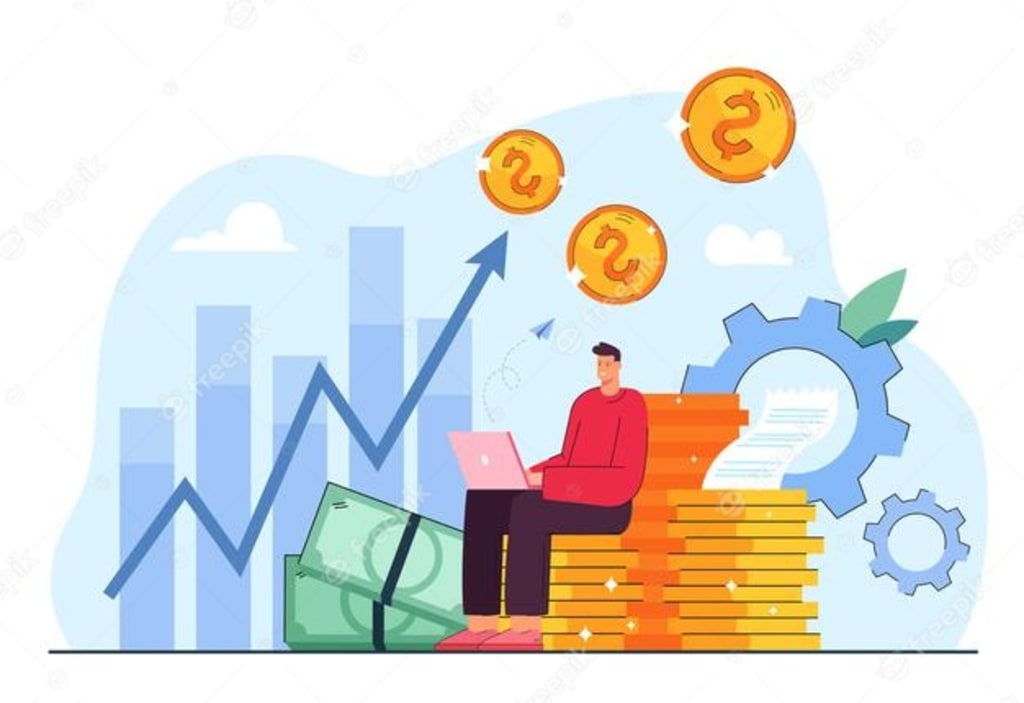
Inflation is one of the most important and, at the same time, one of the most feared economic phenomena. This generalized increase in prices directly affects the purchasing power of individuals—that is, the amount of goods and services you can buy with the same amount of money. In a world where personal financial stability is increasingly relevant, understanding what inflation is, why it occurs, and how to protect yourself from it is key to ensuring long-term economic well-being.
What is Inflation and Why Does It Happen?
Inflation refers to the sustained and generalized increase in the prices of goods and services in an economy over a period of time. This means that over time, money loses value because you can buy fewer things with the same amount of money. Inflation is measured by indices such as the Consumer Price Index (CPI), which tracks changes in the prices of a representative basket of household expenses.
The main causes of inflation are:
Demand-Pull Inflation: This occurs when there is an increase in the demand for goods and services that cannot be matched by supply. This leads to rising prices. A typical example is when the economy grows rapidly, and people have more money to spend, putting upward pressure on prices.
Cost-Push Inflation: This happens when production costs increase, such as the price of raw materials or energy, and businesses pass these cost increases on to consumers. This results in a general rise in prices.
Expansionary Monetary Policy: When central banks, such as the Federal Reserve or the European Central Bank, inject more money into the economy, the excess money in circulation can lead to higher inflation. It’s like having more bills chasing the same amount of products: prices go up.
How Does Inflation Impact Your Daily Life?
Inflation has a direct effect on people's wallets. As prices rise, the cost of living increases, which can make basic needs like food, housing, and transportation more expensive. This is especially problematic for those with fixed incomes, such as retirees, as their incomes do not increase at the same rate as prices.
Additionally, inflation also affects savings. If money saved in a bank account does not earn interest that matches or exceeds the inflation rate, then that money loses value over time. For example, if you have $10,000 saved and inflation is 3% per year, in a year your purchasing power will have decreased to $9,700 in real terms.
How to Protect Yourself from Inflation: Practical Strategies
Although inflation may seem inevitable, there are ways to protect your finances and investments from its impact. Here are some strategies that can help you maintain your purchasing power:
Invest in Assets that Outperform Inflation: Investments in stocks, real estate, and mutual funds often offer returns that can outpace inflation in the long run. Investing in these assets helps protect your money and allows it to grow in real terms.
Inflation-Protected Bonds: Some governments issue bonds whose yields are linked to the inflation rate, such as TIPS (Treasury Inflation-Protected Securities) in the United States. These bonds adjust their value and payments based on inflation, providing direct protection against the loss of purchasing power.
Keep Your Portfolio Diversified: Diversifying your investments is essential for protection against inflation. By having a mix of assets (stocks, bonds, real estate, precious metals, etc.), you can minimize risks and take advantage of opportunities in different markets.
Invest in Precious Metals: Gold and silver have traditionally been considered safe havens against inflation. When inflation accelerates, many investors turn to these metals to preserve the value of their money, which can drive up their prices.
Invest in Real Estate: Properties tend to maintain their value or even appreciate during periods of high inflation. Additionally, rents tend to rise as well, providing a source of income that can keep pace with rising prices.
The Role of Central Banks and Monetary Policy
Central banks, such as the Federal Reserve in the United States and the European Central Bank, play a crucial role in controlling inflation. They use monetary policy to keep inflation at optimal levels (generally around 2%). This is done by adjusting interest rates and using other tools to influence the amount of money in circulation.
When inflation is too high, central banks can raise interest rates, making loans more expensive and discouraging spending, thus reducing demand and pressure on prices. In times of low inflation or deflation (falling prices), they can lower rates to stimulate consumption and investment.
Conclusion: The Importance of Understanding Inflation
Inflation is an inevitable part of the economy, and learning to manage it is essential for protecting your money and investments. Understanding its causes, effects, and how it influences the value of your savings and investments is the first step in making informed decisions. At X Inversiones Club, we believe that financial education is the best tool for facing these economic challenges and turning knowledge into opportunities.
With an appropriate investment strategy and a focus on diversification, it is possible to face inflation and maintain your purchasing power over time. It’s not about avoiding inflation, but learning to navigate it so that your money continues to work for you, even in uncertain times.
About the Creator
X Inversiones
Investment is not based on luck, but on strategy.
Keep reading
More stories from X Inversiones and writers in Trader and other communities.
Breaking the Myth of Passive Income: How to Transform Initial Effort into Real Financial Freedom
The concept of passive income has gained popularity in recent years, but behind the promise of "earning money while you sleep" lie myths and realities that not everyone understands. Steve Pavlina, in his work "How to Generate Passive Income", immerses us in a much more realistic and profound vision of what it means to build income streams that do not depend on a work schedule. Join us as we explore the key lessons it provides and discover how you can transform your approach to achieve true financial independence.
By X Inversionesabout a year ago in Trader
South Korea Automotive Radar Market: Growth Trends, Demands, and Future Outlook 2034
South Korea Automotive Radar Market Overview The South Korea automotive radar market size reached USD 125.0 Million in 2024. The market is projected to reach USD 603.5 Million by 2033, exhibiting a growth rate (CAGR) of 17.05% during 2025-2033. The market is expanding due to the increasing adoption of advanced driver assistance systems (ADAS) and autonomous vehicles. The growing demand for safety technologies and radar system advancements significantly contribute to the South Korea automotive radar market share, boosting its presence across various vehicle segments.
By Kim Soo hyun6 days ago in Trader
Intel Stock: Could This Tech Leader Make a Big Comeback in 2026?
Intel Stock is drawing attention again after years of slow growth. Investors are asking: Could Intel Stock make a big comeback in 2026? For anyone looking for long-term potential, understanding Intel Stock now may be important. Intel Stock represents a company that has shaped the computer world for decades. While the stock price has struggled recently, changes in leadership, technology, and global demand suggest that Intel Stock could rise again. They will explore why Intel Stock may be undervalued, what is changing, and why it could become a top choice for patient investors. You can also read more about top tech stocks to watch in 2026 for further insights.
By hamza mirzaabout 4 hours ago in Trader



Comments
There are no comments for this story
Be the first to respond and start the conversation.