
Industrial Gases Market: Trends, Growth, Challenges, and Opportunities
The industrial gases market is a cornerstone of global industry, fueling advancements across manufacturing, healthcare, energy, and more. From oxygen powering steel production to nitrogen preserving food, these gases are indispensable.

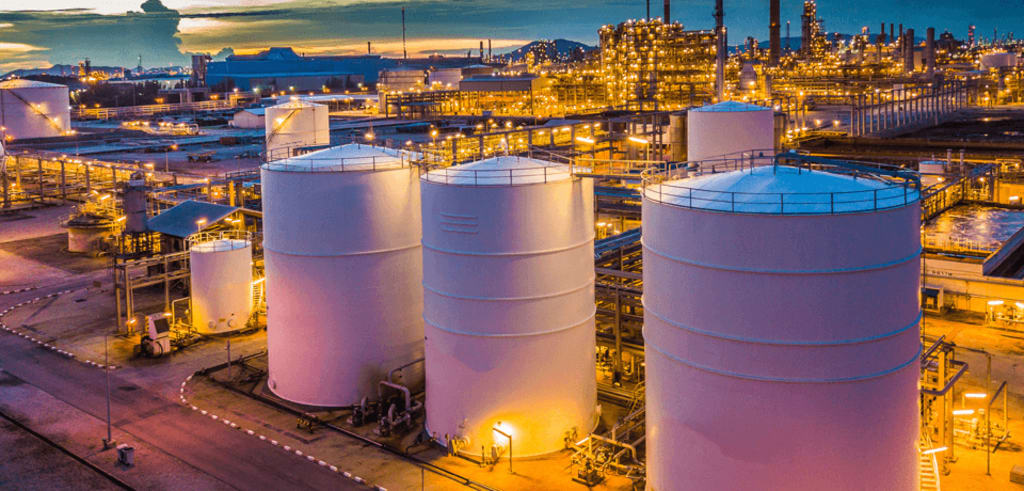
The industrial gases market is a cornerstone of global industry, fueling advancements across manufacturing, healthcare, energy, and more. From oxygen powering steel production to nitrogen preserving food, these gases are indispensable. This blog post delves into the market’s dynamics, exploring its size, key trends, regulatory landscape, challenges, and future opportunities. With a projected growth from USD 109.4 billion in 2024 to USD 158.3 billion by 2033, the sector is poised for steady expansion, driven by innovation and demand.
Overview of the Industrial Gases Market
What Are Industrial Gases?
Industrial gases are highly purified gases used in industrial processes due to their unique chemical properties. These include oxygen, nitrogen, carbon dioxide, hydrogen, argon, and helium, produced through methods like air separation, chemical reactions, or natural source extraction. They serve critical roles in industries such as manufacturing, healthcare, food processing, and energy. For instance, oxygen is vital for combustion in steelmaking, while nitrogen is used in food preservation to prevent spoilage. Their versatility makes them essential across global supply chains.
Market Size & Growth
The global industrial gases market size reached USD 109.4 billion in 2024, reflecting robust demand across diverse sectors. According to IMARC Group, the market is expected to grow to USD 158.3 billion by 2033, achieving a compound annual growth rate (CAGR) of 4.13% from 2025 to 2033. This growth is fueled by rising industrial activities, technological advancements, and increasing applications in healthcare and renewable energy. Emerging economies, particularly in Asia-Pacific, are driving significant market expansion due to rapid industrialization.
Key Trends in the Industrial Gases Market
Rising Demand in Healthcare
The healthcare sector is a major driver of industrial gases demand, particularly for oxygen, nitrogen, and helium. Medical oxygen is critical for respiratory therapies and surgical procedures, while liquid helium powers MRI scanners. The COVID-19 pandemic highlighted the importance of reliable oxygen supplies, spurring investments in medical gas infrastructure. For example, in 2024, Air Liquide expanded its oxygen production in Brazil to meet rising healthcare needs, underscoring the sector’s growing reliance on industrial gases. This trend is expected to persist.
Growth in Renewable Energy Applications
Industrial gases are pivotal in the shift toward renewable energy. Hydrogen, in particular, is gaining traction as a clean fuel for transportation and power generation. Nitrogen and oxygen are used in energy storage systems and fuel cells. In May 2024, Linde signed a USD 150 million deal with H2 Green Steel to supply gases for a green steel plant in Sweden, showcasing the role of industrial gases in decarbonization efforts. This trend aligns with global sustainability goals.
Advancements in Production Technologies
Technological innovations are transforming industrial gas production, enhancing efficiency and sustainability. Advanced air separation units (ASUs) and cryogenic storage systems are reducing energy consumption. AI-based optimization is streamlining production processes. For instance, Air Liquide’s new ASU in Mathura, India, produces over 300 tonnes of liquid oxygen daily, supporting local industries. These advancements lower costs and environmental impact, making on-site gas generation systems increasingly popular among manufacturers seeking reliable and eco-friendly solutions.
Focus on Green Hydrogen
Green hydrogen, produced using renewable energy, is a game-changer for the industrial gases market. It supports decarbonization in industries like steelmaking and transportation. Governments are offering incentives to scale up production, with Germany’s 2024 plan to tender 10GW of hydrogen-ready gas plants as a prime example. Companies like Linde and Air Liquide are investing heavily in electrolysis technologies to produce green hydrogen, positioning it as a cornerstone of the clean energy transition and market growth.
Expansion in Food and Beverage Applications
The food and beverage industry is increasingly reliant on industrial gases for preservation and processing. Nitrogen and carbon dioxide are used in modified atmosphere packaging to extend shelf life, while nitrogen’s cryogenic properties enable rapid freezing. The growing demand for frozen and convenience foods is driving this trend. In 2024, the Asia-Pacific region saw significant investments in food-grade gas infrastructure, with companies like Messer Group expanding their nitrogen supply networks to meet rising demand.
Regulatory Landscape
Environmental Regulations
Environmental regulations significantly shape the industrial gases market, pushing companies toward sustainable practices. The EU’s Emissions Trading System (ETS) incentivizes low-carbon production methods, impacting gas manufacturers. In 2024, stricter EU regulations on greenhouse gas emissions prompted Linde to invest in carbon capture technologies. Compliance with these regulations increases operational costs but also drives innovation in cleaner production processes, such as green hydrogen and energy-efficient ASUs, aligning with global climate goals.
Safety Standards
Safety is paramount in the industrial gases sector due to the hazardous nature of gases like hydrogen and oxygen. Regulations like the EU’s ATEX standards and the U.S. OSHA guidelines mandate strict handling and storage protocols. In August 2024, CO2Meter launched a Gaslab safety series with 128-sensor integration to meet ATEX and IP66 standards, enhancing workplace safety. Compliance with these standards ensures worker safety and reduces risks, but it requires significant investment in technology and training.
Transportation Regulations
The transportation of industrial gases is governed by stringent regulations to prevent accidents. The European Agreement on the Carriage of Dangerous Goods by Road (ADR) specifies safety measures for gas tankers. In 2024, the U.S. Department of Transportation updated its hazardous materials regulations, requiring advanced monitoring systems for gas shipments. These rules ensure safe delivery but increase logistics costs, challenging companies to optimize supply chains while maintaining compliance with regional and international standards.
Healthcare Compliance
In the healthcare sector, industrial gases like medical oxygen and nitrous oxide are subject to rigorous quality standards. The U.S. FDA and EU Pharmacopoeia set purity and production guidelines to ensure patient safety. In 2024, Brazil implemented stricter regulations for medical gas suppliers following supply chain disruptions during the pandemic. These regulations drive investments in high-purity gas production but pose challenges for smaller players unable to meet compliance costs, consolidating the market among larger firms.
Regional Policy Variations
Regulatory frameworks vary by region, impacting market dynamics. In Asia-Pacific, supportive policies in China and India promote industrial gas investments, while Europe’s stringent environmental laws push for sustainability. In 2024, India’s government allocated USD 67 billion for gas sector development, boosting local production. Conversely, North America’s focus on safety and emissions regulations drives technological upgrades. These variations require companies to adapt strategies to local requirements, influencing global supply chains and investment decisions.
Challenges in the Industrial Gases Market
Volatile Raw Material Prices
Fluctuating prices of raw materials, such as natural gas for hydrogen production, pose a significant challenge. In 2024, global energy price volatility impacted profit margins for companies like Air Products. These fluctuations disrupt cost predictability, forcing manufacturers to absorb higher costs or pass them to customers, which can reduce competitiveness. Developing alternative sourcing strategies and investing in renewable energy-based production are critical to mitigating this challenge and ensuring market stability.
High Capital Investment
The industrial gases market requires substantial capital for production facilities, ASUs, and distribution networks. For example, Linde’s USD 60 million investment in a new ASU in India highlights the scale of funding needed. High upfront costs deter new entrants and strain smaller players, leading to market consolidation. Additionally, long payback periods for capital-intensive projects increase financial risks, particularly in regions with economic uncertainty, challenging companies to balance growth with fiscal prudence.
Supply Chain Disruptions
Global supply chain disruptions, exacerbated by geopolitical tensions and the lingering effects of COVID-19, impact gas delivery. In 2024, logistical challenges in Europe delayed nitrogen and oxygen shipments, affecting manufacturing. These disruptions highlight the need for resilient supply chains. Companies are investing in localized production and on-site generation systems to reduce dependency on long-distance transportation, but building such infrastructure requires time and resources, posing short-term operational challenges.
Environmental Compliance Costs
Meeting stringent environmental regulations increases operational costs. Carbon taxes and emission reduction mandates, like those in the EU, require investments in cleaner technologies. In 2024, Air Liquide committed EUR 40 billion to modernize assets in Germany to reduce CO2 emissions. While these upgrades enhance sustainability, they strain budgets, particularly for smaller firms. Balancing compliance with profitability remains a challenge, pushing companies to innovate cost-effective solutions to meet regulatory demands without compromising growth.
Skilled Labor Shortages
The industrial gases sector faces a shortage of skilled technicians and engineers, particularly in emerging markets. Operating complex ASUs and ensuring safety compliance require specialized expertise. In 2024, India’s rapid industrial gas expansion outpaced its skilled workforce growth, leading to operational delays. Companies are investing in training programs, but developing a qualified workforce takes time. This challenge underscores the need for long-term strategies to address labor gaps and support market growth.
Future Opportunities
Expansion in Emerging Markets
Emerging economies, particularly in Asia-Pacific and Latin America, offer significant growth opportunities. Rapid industrialization in India and China drives demand for industrial gases in manufacturing and electronics. In July 2024, Air Liquide’s Mathura facility bolstered India’s gas supply, supporting local industries. With Asia-Pacific holding a 36.64% market share in 2022, investments in regional infrastructure and partnerships with local firms will unlock substantial growth potential, positioning companies for long-term success.
Growth in Electronics and Semiconductors
The electronics and semiconductor industries are increasingly reliant on high-purity gases like nitrogen and argon for manufacturing. The global semiconductor market’s growth, driven by 5G and AI technologies, fuels this demand. In 2024, Air Liquide built three new plants in Taiwan to serve semiconductor manufacturers. As electronics production expands, particularly in Asia, industrial gas suppliers can capitalize on this trend by offering tailored gas solutions and investing in regional production capacity.
Advancements in Carbon Capture
Carbon capture and storage (CCS) technologies present a growing opportunity for industrial gas companies. Carbon dioxide is a key component in CCS, used to trap emissions from industrial processes. In 2024, Linde partnered with a European energy firm to develop CCS infrastructure, leveraging its CO2 expertise. As governments tighten emission regulations, CCS adoption is expected to rise, creating demand for industrial gases and positioning companies to lead in sustainable innovation.
Hydrogen Economy Development
The global push for a hydrogen economy offers immense opportunities. Green hydrogen is central to decarbonizing industries like transportation and steelmaking. Germany’s 2024 hydrogen infrastructure investments and Linde’s green steel plant deal in Sweden highlight this trend. By scaling up electrolysis and partnering with renewable energy providers, industrial gas companies can lead the hydrogen market, tapping into government incentives and growing demand for clean energy solutions.
On-Site Gas Generation Systems
On-site gas generation systems are gaining popularity as industries seek cost-effective and reliable gas supplies. These systems reduce transportation costs and supply chain risks. In 2024, Messer Group expanded its on-site nitrogen generation services in Asia, catering to manufacturing clients. As industries prioritize operational efficiency, investing in on-site solutions offers a lucrative opportunity for gas suppliers to meet demand while enhancing customer relationships and market competitiveness.
Conclusion
The industrial gases market is on a steady growth trajectory, driven by its critical role in healthcare, renewable energy, and manufacturing. With a projected market size of USD 158.3 billion by 2033, the sector faces challenges like volatile raw material prices and regulatory compliance but is buoyed by opportunities in emerging markets, green hydrogen, and technological advancements. By navigating regulations and investing in innovation, companies can capitalize on these trends, ensuring sustainable growth in this vital industry.
About the Creator
Robby Robinson
I'm working in Special Group. I specialize in leveraging online platforms and tactics to market items or services.
Keep reading
More stories from writers in Trader and other communities.
Best 10 Stocks to Buy Now: A Professional Investment Guide
**Best 10 Stocks to Buy Now: A Professional Investment Guide** Investing in stocks at the right time can significantly impact long-term wealth building. As global markets evolve and new economic trends shape investor behavior, many people are asking the same question: what are the best stocks to buy right now? This professional guide highlights ten stocks that are widely viewed as strong candidates based on growth potential, market leadership, innovation, and long-term demand. The companies mentioned span technology, healthcare, finance, energy, and industrial sectors, offering diversification for investors seeking balanced opportunities.
By America today 3 days ago in Trader
Australia Fortified Health Drinks Market Set to Nearly Double by 2033
The Australia fortified health drinks market reached a value of USD 1,212.1 million in 2024 and is projected to grow to USD 2,209.8 million by 2033, exhibiting a compound annual growth rate (CAGR) of 6.90% from 2025 to 2033. This strong forecast underscores the expanding appetite among Australian consumers for beverages that offer enhanced nutritional value — notably vitamins, minerals, probiotics and other functional benefits that go beyond basic hydration. The market’s evolution reflects broader shifts in consumer behavior, pervasive wellness trends, and opportunities for product innovation and new distribution strategies across both urban and regional areas.
By Rashi Sharma5 days ago in Trader



Comments
There are no comments for this story
Be the first to respond and start the conversation.