
Indian Refiners Await Government Advice on Russian Oil Import Halt
How new trade deals and geopolitical pressure are forcing India’s energy sector into a strategic crossroads.

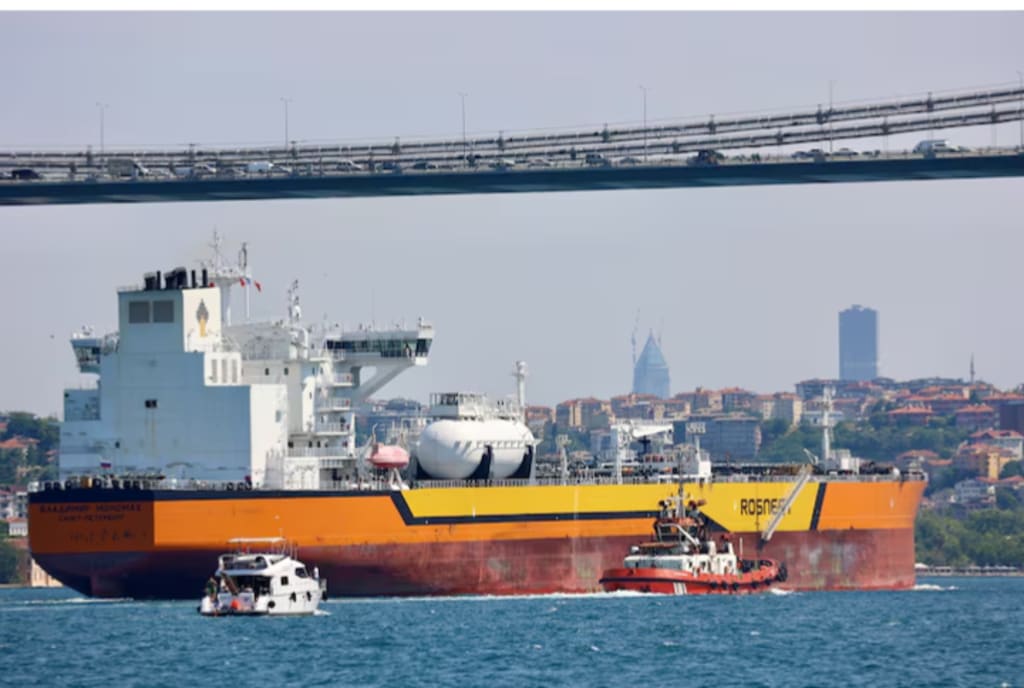
India’s role as a major buyer of Russian crude oil is at a turning point. After a recent trade deal with the United States, which included India’s commitment to reduce or halt Russian oil imports, refiners across the country are now waiting for formal guidance from the government.
Industry insiders say they need a transitional period to complete previously booked cargoes — and so far, no official directive has been issued to immediately stop imports. This delicate situation highlights the balancing act India faces between diplomacy, energy security, and commercial realities.
A Strategic Pause
The backdrop to this situation comes from recent U.S.–India trade negotiations. In the agreement, India pledged to reduce Russian crude imports, aligning with Western pressure on Moscow amid ongoing geopolitical tensions.
Despite this pledge, Indian refiners — both state-owned and private — have not received formal instructions to halt purchases. They’re requesting a wind-down period to fulfill existing contracts, which are due for delivery in February and March. Skipping these commitments could incur financial and legal penalties.
Until official guidance arrives, many refiners have paused placing new orders of Russian crude, creating a temporary slowdown in their supply chains.
Why Russian Oil Matters to India
For years, India relied on Russian crude at discounted prices, especially after Russia’s invasion of Ukraine in 2022. By 2025, Russia had become one of India’s largest crude suppliers, helping fuel economic growth and keeping energy costs stable for consumers.
Major refineries like Reliance Industries and Nayara Energy purchased Russian crude through long-term contracts, which ensured consistent operations.
From a geopolitical standpoint, India has historically resisted Western pressure to cut ties with Russia, emphasizing strategic autonomy and the need for stable, affordable energy.
The U.S. Trade Deal Factor
The recent U.S.–India deal added a fresh layer of complexity. In exchange for reducing Russian oil imports, the U.S. agreed to lower tariffs on Indian exports — decreasing levies on certain goods from 50% to 18%.
The move was welcomed by Indian markets, with stock indexes and the rupee rallying after the announcement. Investors see this as a boost for India’s export economy and long-term growth.
At the same time, Russia signaled that any short-term decline in Indian imports could be temporary, reaffirming its readiness to supply oil and maintain energy ties.
Logistics and Challenges of Halting Imports
One major reason refiners are asking for a wind-down period is logistics. Cargoes already booked for February and March would need to be canceled or renegotiated, which could incur penalties.
Refineries also need time to secure alternative crude sources, such as from the Middle East, Africa, Latin America, or even the U.S. But changing supply chains quickly is complex.
Not all refiners are equally flexible. Some have facilities optimized for Russian crude, while others can process a wider variety of grades. None can switch overnight without operational adjustments.
India’s Energy Strategy in Focus
This situation illustrates India’s broader energy strategy: balancing energy security, affordability, and geopolitical pressure. Sudden disruptions in Russian oil imports could push up fuel prices, impacting inflation and economic stability.
India is also working to diversify crude imports, buying from the Middle East and other regions. This strategy cushions against shocks, ensures refinery operations remain stable, and preserves diplomatic flexibility.
What Happens Next?
For now, refiners are in a holding pattern, awaiting formal instructions from the government. During this transitional period, they are likely to:
Complete delivery of already-booked Russian cargoes.
Monitor global crude prices and alternative supplies.
Adjust refinery operations gradually to accommodate new crude sources.
The decisions India makes will not only affect domestic energy markets but could reshape global crude supply chains and test how emerging economies respond to geopolitical pressures.
The Takeaway
India’s refining sector finds itself at a crossroads, navigating between international diplomacy and domestic economic realities. Russian oil has played a critical role in keeping refineries running efficiently and consumers insulated from volatility.
As the government provides guidance, the sector will need to carefully balance contracts, operational capacity, and alternative sources.
This episode is a reminder that energy is not just about economics; it’s about geopolitics, strategy, and timing. India’s next steps will shape the country’s energy landscape for years to come.
About the Creator
Sajida Sikandar
Hi, I’m Sajida Sikandar, a passionate blogger with 3 years of experience in crafting engaging and insightful content. Join me as I share my thoughts, stories, and ideas on a variety of topics that matter to you.
Keep reading
More stories from Sajida Sikandar and writers in Trader and other communities.
Silver Sprints Ahead… Then Hits a Wall: Why Metals Really Lost Momentum
The first weeks of 2026 delivered a dramatic spectacle for commodity markets. Silver surged at a pace few expected, outshining gold and drawing intense investor attention. Then, almost as suddenly, momentum stalled. Prices tumbled, speculative positions were liquidated, and traders scrambled to understand what went wrong.
By Sajida Sikandar2 days ago in Trader
Global Market Divergence: Velthorne Asset Management Data Analysis
In the complex and often volatile landscape of 2026 financial markets, the prevailing assumption that global equities move in a synchronized wave is being rigorously tested. The trading session on February 3 provides a definitive, high-resolution dataset for understanding "market decoupling"—a scenario where developed and emerging economies diverge sharply in performance despite shared global macro drivers. For institutional observers and data scientists, this is not merely a statistical anomaly; it is a clear, actionable indicator of how liquidity preference is reshaping asset correlations in real-time.
By Velthorne Asset Managementa day ago in Trader
The Devil's Triangle
The sails ruffled in the breeze as we cruised along. The Sea Breeze was a mid-size catamaran that sailed out of Royal Naval Dockyard in Bermuda. We had booked this trip weeks in advance and were now looking at our Captain, Spike and two boat hands. Paddy and Wilson seemed like nice guys, joking around with the passengers and telling us some stories about Bermuda that only locals would know. Their island accents sounded almost British but they were pleasant to listen to.
By Barbara Gode Wilesa day ago in Fiction


Comments
There are no comments for this story
Be the first to respond and start the conversation.