
How to Trade Commodities in Canada 2025
In this article we will go through the key reasons to trade commodities, highlight Canada’s most traded commodities, and talk about how to start trading.

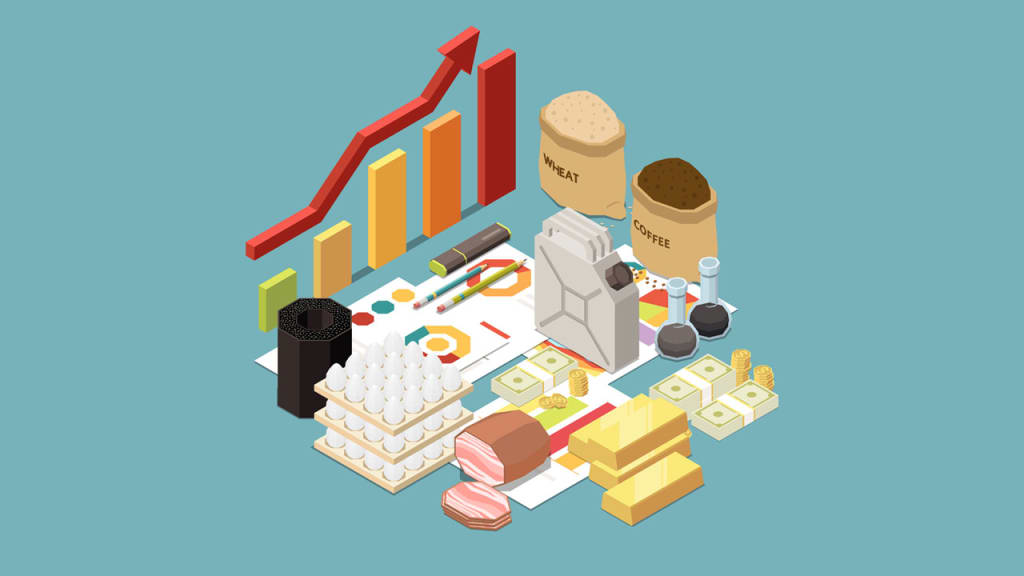
Commodities trading is very popular for Canadian investors and traders in 2025. From energy products like natural gas and oil to metals such as copper and agricultural staples like wheat and corn, commodities offer diverse ways to participate in the global markets. With volatile prices driven by global supply demand factors, geopolitical events, and economic trends, understanding how to trade commodities in Canada.
Why Trade Commodities
Commodities are unique assets, essential to everyday life and industry, such as energy, metals, and agricultural products. Commodities prices are highly sensitive to real world factors, making them sometimes volatile trading instruments.
Reasons to Trade Commodities
- Profit from Volatility: Commodity prices frequently experience sharp moves due to supply disruptions, weather events, or geopolitical tensions. These price swings create opportunities for traders to enter and exit positions for profit.
- Portfolio Diversification: Commodities provide a distinct asset class that often behaves differently from stocks and bonds. Including commodities in your portfolio can reduce overall risk and improve returns during inflationary periods.
- Global Demand Exposure: Trading commodities connects you to global economic activity, from manufacturing and construction to energy consumption.
- Inflation Hedge: Commodities often rise with inflation, preserving purchasing power when fiat currencies weaken.
- Access to a Vibrant Trading Community: The commodities market features active traders, analysts, and resources that offer education and insights for those willing to engage.
Most Traded Commodities in Canada in 2025
Canada’s rich natural resources and agriculture make commodities a central part of its financial system. Here are some of the most actively traded commodities for Canadian traders:
- Natural Gas: Canada is a major producer and exporter, especially to the U.S., with significant shale gas developments fueling supply growth.
- Crude Oil: Canada’s oil sands contribute heavily to global crude supplies. Oil prices are affected by OPEC decisions, geopolitical risks, and energy policies.
- Copper: An essential industrial metal, copper prices respond strongly to global manufacturing and infrastructure demand.
- Agricultural Commodities: Wheat, corn, and cotton remain staples in Canadian and global markets, sensitive to weather conditions and trade policies.
Factors Influencing Commodity Prices
Understanding what moves commodity prices is important for any trader, usual suspects are:
- Changes in production levels, inventory data, and consumption patterns directly impact prices.
- Industrial growth, GDP data, and manufacturing output influence demand for industrial commodities like metals.
- Conflicts, trade wars, sanctions, and regulations can disrupt supply chains, causing price spikes or drops.
- Commodities are often priced in U.S. dollars; thus, changes in exchange rates affect affordability and demand.
How to Trade Commodities in Canada
Select brokerage or platform that offers commodity trading for Canadian residents and make sure it provides:
- Real-time market data and charts
- Access to commodity futures, CFDs, or ETFs
- User-friendly interface and order execution
- Risk management tools (stop-loss, take-profit orders)
Conduct Market Analysis
Successful trading depends on both fundamental and technical analysis: track reports on supply data, inventory levels, geopolitical news, and economic indicators relevant to your chosen commodity. And use charts, trend lines, support and resistance levels, and indicators like RSI or MACD to identify entry and exit points.
For example, in the Canadian natural gas market, seasonal supply-demand shifts combined with pipeline infrastructure updates significantly affect price trends.
Develop a Trading Strategy
Based on your risk tolerance and analysis, define:
- Entry and exit criteria
- Position sizing
- Risk management rules (e.g., maximum loss per trade)
Common strategy is trend following.
Monitor Price Movements and Market News
Commodity markets can react quickly to news. Staying updated helps you adapt your strategy and manage risk. Use tools like economic calendars, news feeds, and social media to keep abreast of developments.
Manage Risk Effectively
Protect your capital with:
- Stop-loss orders to limit losses
- Take-profit orders to lock in gains
- Position sizing align with you risk tolerance
- Diversification across commodities or asset classes
How to Trade Commodities in Canada
Canada’s natural gas market provides a clear example of commodity trading in practice:
Supply: Major reserves in Alberta and British Columbia, supported by shale gas production in formations like Montney.
Demand: Strong domestic consumption and significant exports to the U.S. influence price dynamics.
Price Trends: Historical data shows natural gas prices often find support around key levels, with seasonal rallies common in spring and summer.
Trading Approach: Combining fundamental insights (inventory reports, weather forecasts) with technical tools (trend lines, RSI divergences) can help identify trading opportunities.
For instance, a recent corrective bullish rally in natural gas prices after breaking a resistance level at 2.50 suggests momentum toward higher price targets like 2.65 or even 2.90, supported by positive stochastic indicators.
Bottom Line
Trading commodities in Canada offers opportunities and if you want to master how to trade commodities in Canada, start with research, practice with demo accounts, and stay up to date with market news and regulatory changes. If you’re ready to explore commodity trading with a trusted broker, platforms like IFC Markets provide comprehensive tools, competitive pricing, and access to a broad range of commodities suited for Canadian traders.
About the Creator
Ara Zohrabian
Ara Zohrabian, an author and an expert in fundamental and technical analysis. Currently he is a Senior Analytical Expert at IFCMarkets Corp.
Keep reading
More stories from Ara Zohrabian and writers in Trader and other communities.
The Benefits of CFD Trading: A Flexible Approach to Financial Markets
Contracts for Difference (CFDs) have gained immense popularity among traders worldwide due to their flexibility, accessibility, and potential for significant profits. If you're interested in trading forex, stocks, commodities, or indices, understanding the benefits of CFD trading can help you decide whether this trading method is right for you. In this article, we’ll explore the advantages of CFDs and how they can enhance your trading strategy.
By Ara Zohrabian9 months ago in Trader




Comments
There are no comments for this story
Be the first to respond and start the conversation.