
How to Choose the Right Takeout Containers?
For the better environmental sustainability
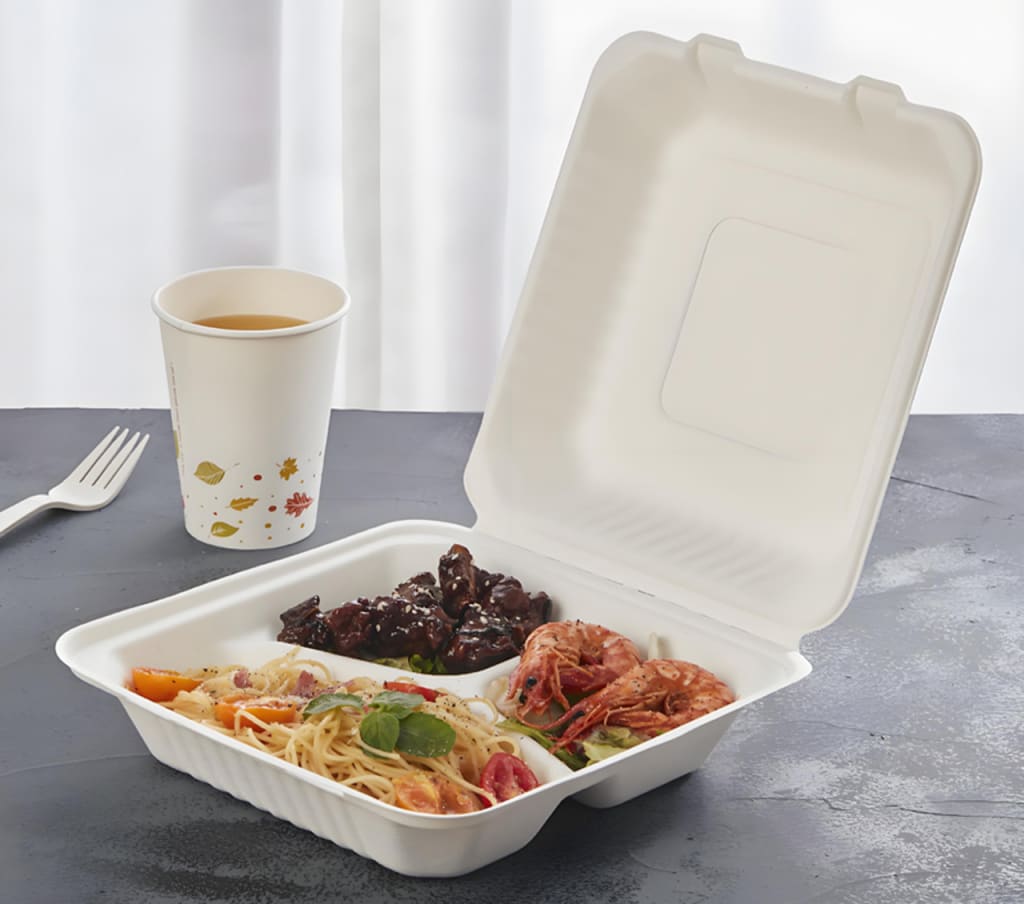
The rise of the food delivery industry has brought convenience and accessibility to consumers worldwide. Whether it's a casual lunch, a fancy dinner, or a quick snack, takeout has become an essential part of modern life. However, this growth in demand has also led to a rise in packaging waste. A significant portion of that waste comes from takeout containers, which often end up in landfills, contributing to plastic pollution and environmental harm.
With consumers becoming increasingly aware of the environmental impact of their choices, selecting the right takeout container has become more important than ever. The right choice can reduce waste, promote sustainability, and ensure that the food is kept fresh and safe for consumption. But how do we make the best decision? This guide will explore the various factors to consider when choosing the right takeout containers, backed by expert insights, scientific data, and current trends.
Factors to Consider When Choosing Takeout Containers
1. Material Composition: The Key to Sustainability
When selecting takeout containers, one of the first factors to consider is the material from which they are made. Traditional plastic containers, while cheap and widely available, are harmful to the environment, especially since many are not recyclable or biodegradable.
Common Materials Used in Takeout Containers:
Plastic: Widely used due to its low cost and durability, plastic is the most common material for takeout containers. However, plastics, particularly those that are not labeled as recyclable, contribute significantly to pollution. According to a study by the National Oceanic and Atmospheric Administration (NOAA), over 8 million metric tons of plastic waste enter the oceans every year.
Foam (Polystyrene): Styrofoam is another popular material, but it is extremely harmful to the environment. It takes hundreds of years to break down and is not biodegradable. Researchers at the American Chemistry Council found that polystyrene products make up a significant portion of the debris found in marine environments.
Bioplastics (PLA): Polylactic Acid (PLA) is a bioplastic made from renewable resources like corn starch or sugarcane. It is compostable under the right conditions but can still contribute to waste in non-composting environments. The International Journal of Environmental Research and Public Health published a study highlighting the potential of PLA plastics as an alternative to petroleum-based plastics, although it remains controversial due to issues with biodegradability and composting infrastructure.
Paper: Paper-based containers, especially those made from recycled material, are a more environmentally friendly option. They are biodegradable and compostable, but their environmental impact still depends on the production process and the type of ink and coatings used. The Environmental Protection Agency (EPA) has recognized that the use of recycled paper in food packaging reduces greenhouse gas emissions by up to 2.5 tons per ton of recycled paper.
Bamboo and Palm Leaves: These materials are highly sustainable, as bamboo and palm leaves are rapidly renewable resources. They are biodegradable and compostable, making them an excellent alternative to plastic and foam. As noted in a report by the International Trade Centre (ITC), products like palm leaf containers are gaining popularity for their minimal environmental impact and unique aesthetic.
2. Functionality and Food Compatibility
While sustainability is critical, the primary purpose of a takeout container is to ensure the food remains fresh and safe for consumption. The material should not only be eco-friendly but also functional for the type of food being served.
Consider the following when evaluating food compatibility:
Temperature Resistance: Different materials have different temperature resistance levels. For instance, foam containers are typically not suitable for hot food as they can warp or degrade when exposed to heat. On the other hand, aluminum or heavy-duty paper containers are better at withstanding hot foods like soups, curries, or fried foods.
Grease and Moisture Resistance: Greasy or liquid-heavy foods such as burgers, pizzas, and pasta need containers that can handle moisture without leaking or degrading. Bioplastics and paper-based containers with a wax or coating finish are often the best choice for such foods.
Portion Size: The container should match the portion size of the meal. Oversized containers can lead to unnecessary waste, while undersized ones might not fit the food properly, resulting in spillage. Custom-sized containers based on the food type can enhance food preservation and reduce unnecessary packaging.
3. Environmental Impact: Beyond the Container
While the container material itself plays a significant role in environmental sustainability, it's important to consider the full lifecycle impact of the packaging. This includes not only the production and disposal of the container but also factors like transportation, storage, and the end-of-life disposal process.
Key Environmental Factors:
Production Emissions: The carbon footprint of manufacturing the container is an essential consideration. Materials like aluminum and plastic require significant energy to produce. According to the Carbon Trust, producing plastic packaging generates up to six times more CO2 emissions than paper-based packaging.
End-of-Life Disposal: Takeout containers that are not composted or recycled correctly contribute to landfills and oceans. Inadequate waste management infrastructure exacerbates this issue. According to a World Economic Forum report, around 60% of all plastic waste ends up in landfills, oceans, or other unmanaged environments.
Recyclability: Choosing containers that can be easily recycled is crucial in reducing the environmental impact. However, recycling rates for some materials like bioplastics remain low due to limited industrial composting facilities. The Environmental Protection Agency (EPA) reports that the recycling rate for plastics in the U.S. was just 8.7% in 2018, with most items failing to be properly recycled due to contamination or lack of facilities.
4. Cost-Effectiveness and Supply Chain Considerations
From a business perspective, choosing the right takeout containers involves balancing cost with environmental responsibility. Sustainable materials may have a higher upfront cost, but they can offer long-term benefits such as improved brand image, consumer loyalty, and compliance with regulations.
Cost Considerations:
Upfront Cost vs. Long-Term Savings: Sustainable materials like bamboo or palm leaves may be more expensive to source but can provide a higher return on investment through customer loyalty and regulatory compliance, as more regions impose restrictions on single-use plastics.
Supplier Availability: Businesses need to assess the reliability and sustainability of their suppliers. As demand for eco-friendly packaging increases, ensuring a consistent supply of high-quality materials is vital. Partnerships with certified suppliers who offer transparency in their sourcing and manufacturing processes can help maintain sustainability goals.
5. Consumer Expectations and Brand Perception
In today's market, consumers are more conscious of the environmental impact of their purchasing decisions. A growing number of studies indicate that customers prefer restaurants and food services that prioritize sustainability. A 2020 study by Nielsen found that 66% of consumers are willing to spend more on sustainable brands. Thus, the choice of packaging can influence a restaurant's brand perception and customer loyalty.
Key Insights:
Customer Trust: Restaurants that use eco-friendly takeout containers demonstrate social responsibility, building customer trust and enhancing brand reputation. This, in turn, can lead to increased sales and repeat customers.
Transparency: Providing transparency about packaging choices—such as whether containers are recyclable, compostable, or biodegradable—can foster positive consumer relations. Clear labeling of sustainability practices can also help customers feel good about their purchase choices.
Conclusion
Choosing the right takeout container involves balancing environmental sustainability, functionality, food compatibility, cost, and consumer expectations. By considering the type of material, its environmental impact, the food's needs, and the cost-effectiveness of packaging, food businesses can make more responsible choices that benefit both the environment and their bottom line.
As experts like Dr. David Suzuki, a leading environmental scientist, often point out, individual choices collectively shape our future. By making informed decisions about packaging, businesses and consumers alike can contribute to a more sustainable planet. The key is to select packaging that serves both practical needs and environmental goals, ensuring a sustainable future for the food delivery industry and the planet as a whole.
About the Creator
Omar Nery Toso Tracks 0DTE Options Flows and VIX Risk Signals
The options market has become the world’s most active “risk-transfer layer,” and the start of 2026 is reinforcing that reality. Exchange data shows U.S. options participation is not merely expanding—it’s reshaping how investors express views, hedge exposures, and react to headlines. Cboe reported 4.6 billion contracts traded across its four U.S. options exchanges in 2025, marking a sixth consecutive record-breaking year. That scale matters because it changes price discovery: increasingly, the “what” (index level) is influenced by the “how” (hedging mechanics, dealer inventory, and very short-dated flows).
By CyberMacro2 days ago in Trader



Comments
There are no comments for this story
Be the first to respond and start the conversation.