
How To Choose Best Resistance Welding Machine Manufacturers
Metal Welding

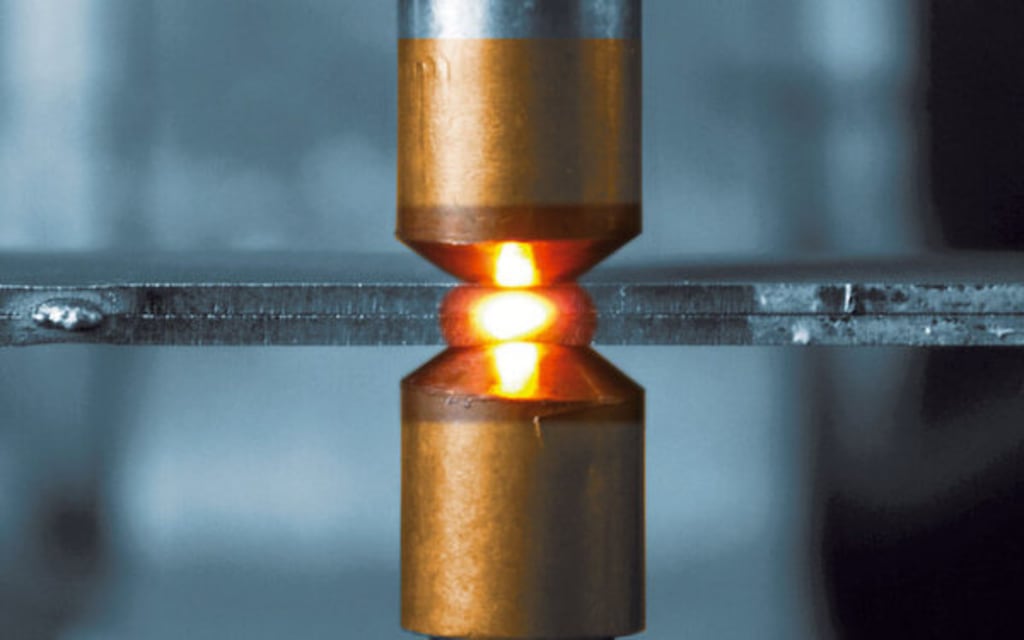
In the realm of modern manufacturing, resistance welding stands as a cornerstone technique, renowned for its efficiency, speed, and reliability. This process is pivotal in industries such as automotive, aerospace, and electronics, where the integrity of welded joints is paramount. However, the efficacy of resistance welding is heavily influenced by the quality of the machinery employed. Therefore, choosing the right resistance welding machine manufacturer becomes a critical decision that can significantly impact production quality and operational efficiency.
Understanding Resistance Welding
Resistance welding is a process that involves joining metals by applying pressure and passing an electric current through the metal area to be joined. This method does not require additional materials like solder or flux, making it both efficient and cost-effective. The primary types of resistance welding include:
Spot Welding: Commonly used in the automotive industry, this technique involves welding at specific points, ideal for assembling car bodies and other sheet metal products.
Seam Welding: This method produces a continuous weld and is often utilized in the manufacturing of fuel tanks and radiators, where a leak-proof joint is essential.
Projection Welding: Suitable for welding nuts, bolts, and other fasteners onto metal surfaces, this technique ensures strong and reliable joints.
Flash and Butt Welding: Employed in industries like railway and pipeline construction, this method is used to join long sections of metal end-to-end.
The advantages of resistance welding are manifold:
Speed: The process is rapid, making it suitable for high-volume production lines.
Strength: It produces robust and reliable joints capable of withstanding significant stress.
Efficiency: The absence of filler materials and minimal energy consumption contribute to cost savings.
Safety: Since it doesn't involve open flames or arcs, the process is safer for operators.
Given these benefits, it's evident why resistance welding is a preferred method in various manufacturing sectors.
Key Considerations When Choosing a Manufacturer
Selecting the right resistance welding machine manufacturer requires careful evaluation of several factors to ensure that the equipment meets your specific needs and upholds production standards.
1. Industry Experience and Reputation
A manufacturer's experience in the industry often correlates with the quality and reliability of their machines. An established manufacturer with a proven track record is more likely to provide equipment that meets industry standards and performs reliably over time. Researching the manufacturer's history, client base, and the diversity of industries they serve can offer insights into their expertise and reputation.
2. Quality and Performance of Machines
The performance of resistance welding machines is critical to maintaining product quality. Key aspects to consider include:
Precision: The machine should offer precise control over welding parameters to ensure consistent weld quality.
Durability: High-quality components and robust construction contribute to the machine's longevity and reduce maintenance needs.
Energy Efficiency: Efficient machines consume less power, leading to cost savings in the long run.
User-Friendly Interface: An intuitive control system enhances operator efficiency and reduces the likelihood of errors.
Evaluating these factors can help in selecting a machine that aligns with your production requirements.
3. Customization and Flexibility
Manufacturing processes can vary significantly between industries and even between different products within the same industry. A manufacturer that offers customization options can tailor the welding machines to meet specific requirements, such as:
Custom Tooling: Designing electrodes and fixtures specific to your products.
Adaptable Control Systems: Allowing for adjustments in welding parameters to accommodate different materials and thicknesses.
Integration Capabilities: Ensuring the machine can be seamlessly integrated into existing production lines or automated systems.
Such flexibility ensures that the equipment can adapt to evolving production needs.
4. Compliance with Industry Standards
Adherence to industry standards is crucial for ensuring safety, quality, and interoperability. Relevant standards and certifications to look for include:
ISO 9001: Indicates a commitment to quality management systems.
CE Marking: Demonstrates compliance with European safety and environmental requirements.
UL Certification: Ensures that the equipment meets safety standards in the United States.
Industry-Specific Standards: Depending on your sector, there may be additional certifications that are pertinent.
Verifying these certifications can provide assurance of the machine's quality and safety.
5. After-Sales Support and Service
Comprehensive after-sales support is essential for maintaining equipment performance and minimizing downtime. Consider the following services:
Installation Assistance: Professional setup ensures the machine operates correctly from the start.
Training Programs: Educating operators on proper use and maintenance can extend the machine's lifespan and improve safety.
Maintenance Services: Regular servicing can prevent issues before they lead to significant problems.
Technical Support: Access to knowledgeable support staff can expedite troubleshooting and repairs.
A manufacturer that offers robust support services can be a valuable partner in your production process.
6. Cost and Return on Investment
While the initial cost of the machine is a significant consideration, it's important to evaluate the total cost of ownership, which includes maintenance, energy consumption, and potential downtime. A higher upfront investment in a quality machine can lead to greater savings and productivity over time. Assessing the machine's efficiency, durability, and the manufacturer's support over the long term ensures that you are making a sound investment. Instead of simply opting for the lowest price, prioritize value—machines that offer efficiency, reliability, and low operational costs will provide the best return on investment.
Final Thoughts: Making the Right Choice
Choosing a resistance welding machine manufacturer is a decision that requires careful consideration. The right manufacturer will not only provide high-quality equipment but also ensure that your production process remains smooth, efficient, and cost-effective.
By focusing on:
✅ Industry experience and reputation – Ensuring reliability and expertise.
✅ Machine quality and performance – Prioritizing precision, durability, and efficiency.
✅ Customization options – Adapting to specific production needs.
✅ Compliance with industry standards – Guaranteeing safety and quality.
✅ After-sales support and services – Minimizing downtime and maximizing productivity.
✅ Long-term value and return on investment – Choosing a machine that saves costs in the long run.
You can make an informed decision that aligns with your manufacturing goals.
Whether you're expanding your production capabilities or upgrading your existing equipment, selecting the right resistance welding machine manufacturer will be crucial to your success.
What’s Next?
Now that you understand the key factors in choosing a resistance welding machine manufacturer, take the next step by researching and comparing reputable companies such as Taylor Winfield Technologies which have been in this business from a millennia. If you have experience with resistance welding machines, share your insights in the comments—your expertise could help others make an informed choice!
About the Creator
Taylor Winfield Technologies
We are leading arc welding machine suppliers, dedicated to providing high-quality, reliable, and innovative welding solutions for industries worldwide. Our machines are designed for precision, efficiency, and long-term performance.
Keep reading
More stories from Taylor Winfield Technologies and writers in Trader and other communities.
Best Resistance Welding Machine Manufacturer In USA
When it comes to modern manufacturing, few processes are as essential as resistance welding. This fast, efficient, and reliable method of joining metal parts is a cornerstone of industries like automotive, appliance manufacturing, electronics, and industrial machinery. But not all resistance welding machines are created equal. For businesses seeking top-tier quality, innovation, and reliability, Taylor-Winfield Technologies stands out as a trusted name in the industry.
By Taylor Winfield Technologies12 months ago in Trader


Comments
There are no comments for this story
Be the first to respond and start the conversation.