
How to avoid Credit Card Frauds in India
Guide To avoid credit card frauds
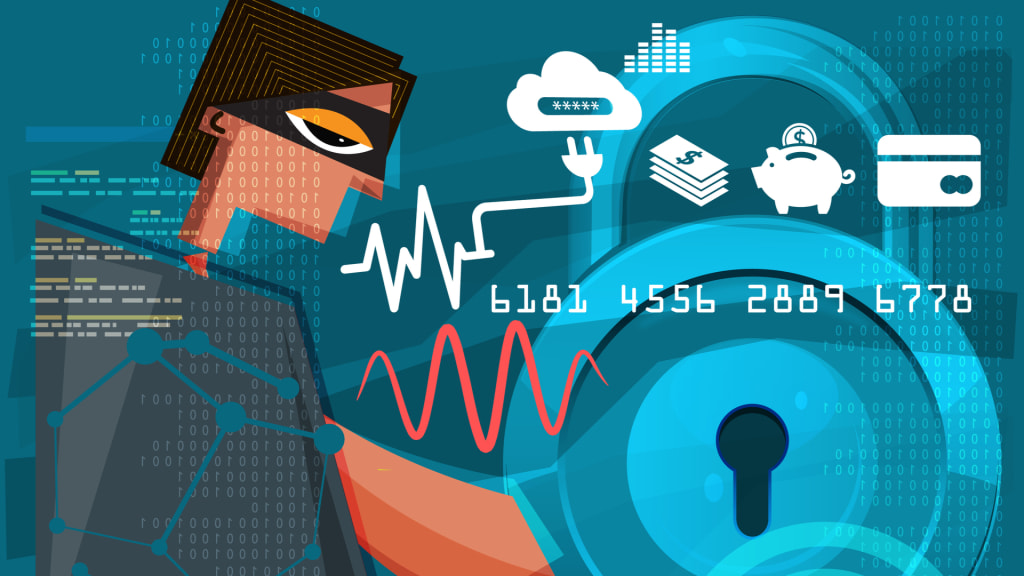
Credit card frauds may be extremely harmful, especially as people's dependence on plastic money increases. Credit card fraud occurs when a scammer uses your credit card number and PIN, or a stolen credit card, to process payments from your account without your consent. As technology advanced to make life easier, so did fraudulent methods to cheat credit card customers.
Fraudsters find ways to use your credit cards without your knowledge, no matter how safe your wallet is. This could be because you were not careful with your credit card at some point in time. Before you apply for credit card, make sure you know how to keep your credit card safe at all times.
RBI Guidelines to avoid Credit Card Frauds in India
Although the Reserve Bank of India (RBI) has issued guidelines to avoid credit card frauds in India, the harsh reality of today's digital age is that credit card frauds still take place in some parts of the country. RBI has made a number of preventive measures, including:
1. Two-level authentication for online transactions. The first level is when you submit your credit card information and CVV (Credit Card Verification Value). The implementation of a 3D Secure Code is the second level of authentication (Verified by VISA and Mastercard SecureCode).
2. Issuance of EMV-enabled credit cards with a chip and PIN. RBI has issued cards with in-built chips and are protected by a PIN.
3. The ability to choose/set a restriction for international usage. According to RBI a user can enable or disable international transactions on his card according to his convenience.
4. POS Terminal Data Security Standards. RBI has set some Point-Of-Sale security standards to ensure that whenever a user swipes his card to make a purchase the POS system is responsible for handling the complexity of the transaction in the background.
5. Every Credit Card transaction generates an SMS alert to the customer's registered mobile number to inform the user about every transaction that is made using his card.
6. One-time password (OTP) for IVR transactions. Interactive Voice Response transactions are such that you make over mobile calls by providing your credit card number on an automated system to make a payment to the vendor.
However, the majority of credit card frauds are being carried out internationally, which means that credit card information is stolen in India and then used outside India. The best thing is that you simply need a credit card number and a three-digit CVV number for international purchases. There is no multi-layer security verification unlike India. RBI does not have any jurisdiction outside India. The only relief is that if the user proves his innocence by proving that credit card fraud occurred as a result of the bank's or its employees' ignorance, fault, or collaboration in this situation, the bank will compensate the user for the loss incurred as a result of credit card fraud.
Preventive measures to avoid credit card frauds
Here are some of the preventive measures that a user should consider in order to avoid credit card frauds.
1. Keep your credit card information to yourself
One of the most popular methods used by credit card scammers is to pose as a customer service representative and obtain personal information from the cardholder. Giving up your credit card number or any other personal information over the phone should be done with extreme caution. A bank or financial institution will never call you and ask for this information. On calls you've initiated to bank authorities or the helpline number on the back of your card, only provide your credit card information if it's absolutely necessary.
2. Safeguarding the Credit Card
The first step in preventing credit card fraud is to keep credit cards in a secure location that is not easily accessible to others. Keep your credit card in a small wallet to make it difficult for snatchers or pickpockets to get it. After every purchase, remember to put the card back as soon as possible because thieves can capture a digital image of the credit card using smartphone cameras and store it. It's also a good idea to check the credit card in your wallet every now and then, even if you haven't used it in a while.
3. Monitor online credit card transactions and avoid paper trails of Credit Card Number
Banks let you keep track of your credit card transactions through SMS and email alerts, as well as Online Banking. You can receive real-time alerts that allow you to track your credit card usage. The whole credit card number is usually printed on credit card billing statements. When using a credit card, it's important to remember to tear the statement before throwing it away. Credit cards that have expired or been cancelled should also be discarded.
4. Reporting a Lost or Stolen Card Immediately
A lost or stolen card should be reported to the service provider as soon as possible. As a customer, keep in mind that the sooner you report a lost card, the sooner you can avoid credit card fraud. Keep the customer support number for your credit card company in your phonebook to avoid delays in notifying the service provider in the event of credit card loss or theft. In such circumstances, only early notification can prevent credit card fraud.
5. Carefully Review the billing statement
Another important step in preventing credit card fraud is to verify your monthly payment statement on a routine basis. Charges that are not authorised are an indication of credit card fraud. In such cases, the size of the fraud is irrelevant, as even a minor illegal charge should be notified to the credit card service provider right away.
The only relief, in case of credit card fraud, that a user has is that if he proves his innocence by proving that credit card fraud occurred as a result of the bank's or its employees' ignorance, fault, or collaboration. In this situation, the bank will compensate the user for the loss incurred as a result of credit card fraud.
You may also Read: 5 Things to Do When You Receive a New Credit Card
About the Creator
Keep reading
More stories from writers in Trader and other communities.
How to Succeed at the Benson Directory®
Congratulations and welcome to the Benson Directory® employee #22391! As our newest call handler, you will have the privilege of speaking with dozens of unique and interesting people on a daily basis as well as the opportunity to earn bonuses for high performance. Contained within this handbook you will find a set of ease to follow instructions designed to help you settle in to your new role and begin paving the way to success.
By S. A. Crawford4 days ago in Fiction
The Devil's Cut
“Comrade, finally you’re awake.” The voice was smooth, sensual. A flickering incandescent bar was all that lit the white, sterile room. All Vladimir remembered was everything going black. He tried to move his arms and found them strapped to the gurney.
By Matthew J. Fromm7 days ago in Fiction




Comments
There are no comments for this story
Be the first to respond and start the conversation.