
How S&P BSE Sensex Impacts Investors: Insights and Analysis
The Role of Market Indices – Why market benchmarks matter for investors
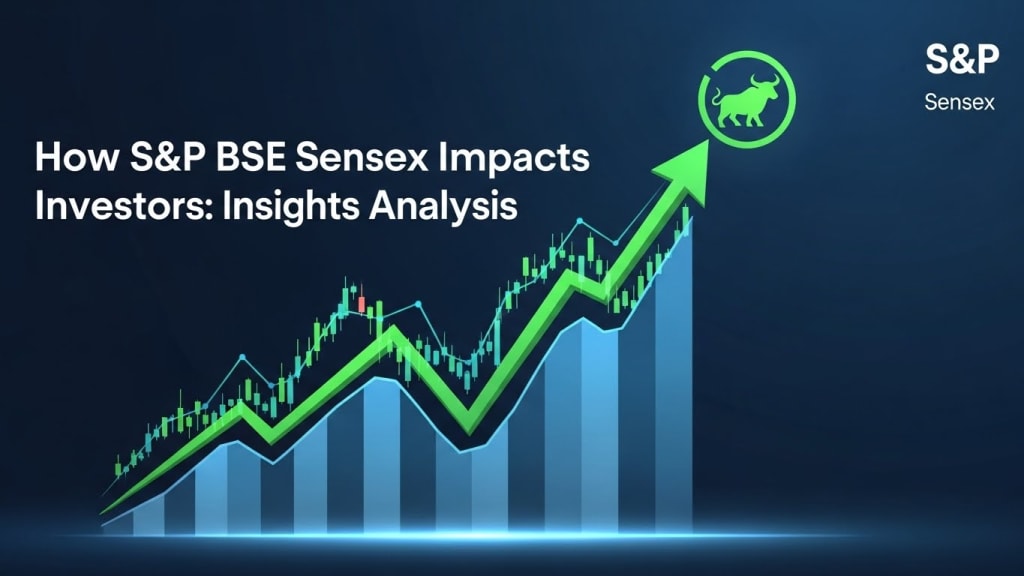
Investing in the stock market can be exciting but also confusing, especially for beginners. The S&P BSE Sensex serves as a benchmark for understanding market trends in India.
By tracking the performance of 30 major companies listed on the Bombay Stock Exchange, it provides investors with a clear view of the market’s health. Knowing how this index moves can help investors make smarter decisions about buying, holding, or selling their stocks.
The Role of Market Indices
A market index measures the overall performance of a group of stocks. It acts as a guide for investors, showing whether the market is trending upwards or downwards.
The S&P BSE Sensex is particularly important because it represents companies from various sectors, such as finance, technology, and energy. When the index rises, it usually reflects positive investor sentiment. Conversely, a drop can indicate caution or uncertainty in the market.
How the Index is Calculated?
The S&P BSE Sensex is calculated using the free-float market capitalization method. This means the value of each company’s stock is multiplied by the number of shares available for trading.
Larger companies with higher market value influence the index more than smaller ones. This calculation ensures the index reflects the true performance of India’s leading businesses.
Daily Updates and Market Trends
Investors rely on BSE Sensex index updates to track market movements. Daily changes can be influenced by economic data, corporate earnings, or global events.
For instance, a rise in government spending may boost investor confidence, pushing the index higher. Similarly, global uncertainties like oil price fluctuations or geopolitical tensions can lead to a drop. Staying informed about daily updates helps investors adjust their strategies in real time.
The Connection Between Sensex and Investor Decisions
Many investors use the S&P BSE Sensex as a reference point for their portfolio decisions. If the index shows consistent growth, investors may feel encouraged to buy stocks.
On the other hand, prolonged declines can trigger cautious behavior. Understanding this link helps investors avoid emotional reactions and make data-driven choices.
Sectoral Performance and Insights
The Sensex is composed of companies from multiple sectors, making sectoral analysis crucial. For example, a strong performance in IT and pharmaceutical stocks can lift the index even if other sectors are underperforming. Investors often look at sector-specific trends to diversify their investments. This way, they can balance risk while maximizing returns.
Impact of Global Markets
Global markets have a direct influence on the S&P BSE Sensex. Changes in the US stock market, crude oil prices, or foreign exchange rates can affect investor sentiment in India.
For instance, a sharp drop in the Dow Jones may lead to a temporary fall in Sensex values. Awareness of global factors helps investors anticipate potential market movements.
Trends and Historical Analysis
Examining historical trends of the BSE Sensex index provides valuable insights. For instance, during periods of economic growth, the index often shows sustained upward movement.
Conversely, recessions or financial crises can lead to prolonged declines. Studying these patterns allows investors to make informed long-term investment decisions rather than reacting to short-term volatility.
How Inflation and Economic Data Affect the Index
Economic indicators like inflation, interest rates, and GDP growth influence the S&P BSE Sensex. High inflation may reduce purchasing power, causing investors to become cautious.
Conversely, positive economic data can boost confidence, encouraging investments. Monitoring these factors enables investors to align their strategies with prevailing market conditions.
Using Sensex for Portfolio Diversification
Investors often use the BSE Sensex index updates to guide portfolio diversification. By understanding which sectors or companies are performing well, they can allocate their investments strategically.
For example, if technology stocks are rising, an investor may choose to balance their portfolio with healthcare or finance stocks. This approach reduces risk while maintaining potential for growth.
Common Mistakes Investors Make
Even experienced investors sometimes misinterpret Sensex movements. One common mistake is overreacting to short-term fluctuations.
Another is relying solely on the index without analyzing individual stocks or sectors. Understanding the nuances of the S&P BSE Sensex helps investors avoid these pitfalls, making more informed and profitable decisions.
Benefits of Monitoring Sensex Regularly
Regularly tracking the BSE Sensex index helps investors stay ahead of market trends. Benefits include:
Better decision-making during volatile periods
Identifying potential investment opportunities
Understanding sectoral performance for portfolio diversification
Aligning investment strategies with market sentiment
By keeping an eye on the index, investors can respond promptly to market changes and protect their investments.
Role in Retirement and Long-Term Planning
The S&P BSE Sensex is not just a tool for short-term trading; it also plays a vital role in long-term financial planning. Investors aiming for retirement or future goals can use historical index trends to guide their savings and investment strategies. Over decades, the Sensex has generally trended upwards, rewarding patient and disciplined investors.
Technology and Sensex Tracking
Modern technology makes it easier than ever to track BSE Sensex index updates. Mobile apps, websites, and trading platforms provide real-time data and analytical tools.
Investors can monitor intraday movements, historical charts, and sector-specific trends, all from their smartphones. This access empowers both beginners and seasoned investors to make timely and informed decisions.
Conclusion
The S&P BSE Sensex remains a key indicator for investors navigating India’s stock market. By understanding daily updates, sectoral trends, global influences, and historical patterns, investors can make smarter decisions.
Staying informed reduces risk and enhances the potential for growth. Whether you are a beginner or an experienced trader, keeping an eye on the Sensex ensures you are aligned with market movements and can act confidently to meet your financial goals.
About the Creator
Safdar meyka
I’m an SEO expert specializing in keyword optimization, on-page strategy, and content visibility growth.
I craft SEO-driven content that ranks higher and connects with real audiences naturally.
Keep reading
More stories from Safdar meyka and writers in Trader and other communities.
Australia Advertising Market Set to Hit USD 27.8 Billion by 2034 on Digital Transformation & Changing Consumer Media Habits
The Australia advertising market has established itself as one of the most dynamic sectors within the country’s broader media and marketing landscape. According to the latest IMARC Group research, the market reached USD 21.7 billion in 2025 and is expected to grow to USD 27.8 billion by 2034, exhibiting a CAGR of 2.83% during 2026–2034.
By Rashi Sharma5 days ago in Trader



Comments
There are no comments for this story
Be the first to respond and start the conversation.