
High-Performance Liquid Chromatography (HPLC) Market: AI-Driven Precision Transforming Analytical Science
The High-Performance Liquid Chromatography (HPLC) Market is experiencing strong momentum as industries demand highly accurate, reliable, and efficient analytical techniques. HPLC is one of the most widely used laboratory methods for separating, identifying, and quantifying components in complex mixtures. From pharmaceutical development and food safety testing to environmental monitoring and clinical diagnostics, HPLC remains a cornerstone of modern analytical science.

Market Overview
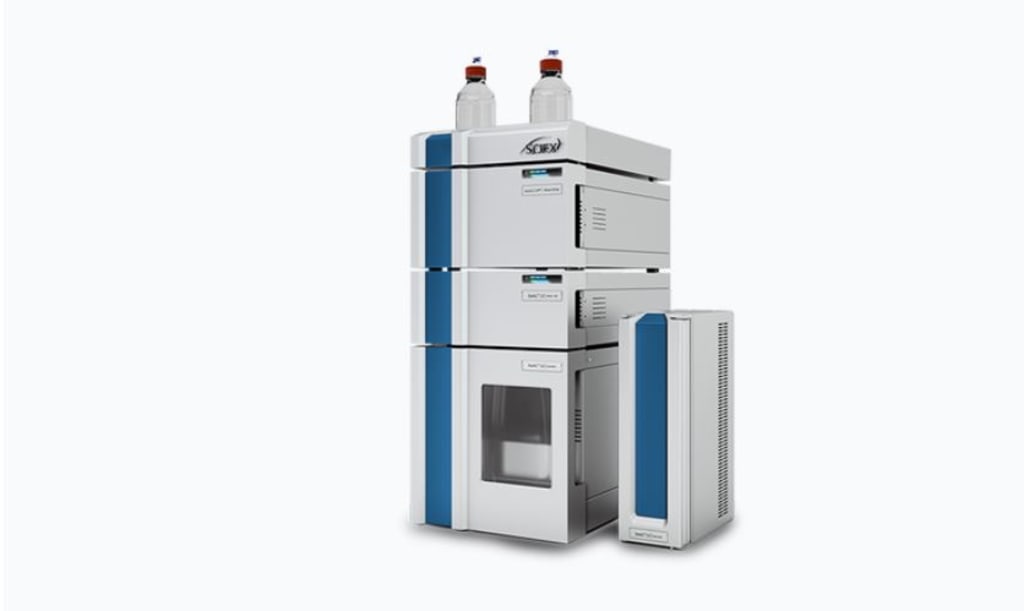
High-Performance Liquid Chromatography is a technique that uses high pressure to push solvents through a packed column filled with a solid adsorbent material. Each component in a sample interacts differently with the adsorbent material, causing separation as they flow through the column at varying speeds.
The global high-performance liquid chromatography (HPLC) market size reached USD 5.9 Billion in 2024. Looking forward, IMARC Group expects the market to reach USD 8.4 Billion by 2033, exhibiting a growth rate (CAGR) of 3.9% during 2025-2033.
Download a Sample PDF Report "High-Performance Liquid Chromatography (HPLC) Market"
HPLC systems typically consist of:
- Solvent reservoirs
- Pumps
- Injector systems
- Analytical columns
- Detectors (UV, fluorescence, mass spectrometry)
- Data processing software
The market is driven by increasing R&D investments in pharmaceuticals and biotechnology, rising regulatory requirements for product safety, and growing demand for precise analytical solutions in food, environmental, and chemical industries.
North America leads the market due to strong pharmaceutical research infrastructure and regulatory compliance standards. Europe follows with extensive academic research and biotech presence, while Asia-Pacific is rapidly expanding due to growing pharmaceutical manufacturing and government investments in healthcare research.
AI Mode: Transforming HPLC Operations
Artificial Intelligence is significantly reshaping how HPLC systems operate, analyze data, and deliver results. AI-powered tools enhance both hardware performance and software-driven analytics.
1. Intelligent Method Development
Traditionally, HPLC method development is time-consuming and requires trial-and-error optimization. AI algorithms can now predict optimal solvent compositions, flow rates, and column conditions based on historical datasets. This drastically reduces development time and increases reproducibility.
2. Predictive Maintenance
AI-enabled monitoring systems analyze pump pressure patterns, temperature fluctuations, and detector signals to predict equipment failures before they occur. This minimizes downtime and ensures uninterrupted laboratory workflows.
3. Advanced Data Analysis
HPLC generates large volumes of complex chromatographic data. AI-driven software can automatically identify peaks, remove background noise, and interpret results with high accuracy. Machine learning models improve over time, enhancing detection sensitivity.
4. Automated Quality Control
In pharmaceutical manufacturing, AI-integrated HPLC systems can perform real-time quality checks, flagging deviations instantly. This supports compliance with regulatory standards and reduces the risk of product recalls.
5. Integration with Laboratory Information Systems (LIMS)
AI allows seamless integration of HPLC systems with digital lab platforms, improving traceability, documentation accuracy, and overall workflow efficiency.
Industry Trends and Growth Drivers
Growing Pharmaceutical and Biotech Research
The global rise in chronic diseases and demand for innovative drugs is accelerating pharmaceutical R&D. HPLC plays a critical role in drug development, impurity profiling, stability testing, and bioanalysis.
Expansion of Biologics and Biosimilars
Biologics and complex protein-based therapies require highly precise analytical techniques. HPLC is widely used in protein purification and characterization, driving increased system demand.
Food Safety and Quality Regulations
Stringent food safety regulations are pushing manufacturers to adopt advanced analytical methods to detect contaminants, additives, and residues. HPLC ensures compliance and consumer safety.
Environmental Monitoring
HPLC is increasingly used for analyzing pollutants, pesticides, and toxic compounds in water and soil samples. Environmental sustainability initiatives are fueling adoption.
Technological Advancements
Innovations such as ultra-high-performance liquid chromatography (UHPLC), miniaturized systems, and hybrid detectors are improving sensitivity and reducing analysis time.
Academic and Research Expansion
Universities and research institutions continue to invest in advanced analytical equipment to support scientific exploration and innovation.
Challenges in the Market
Despite strong growth, certain challenges may impact the market:
- High initial investment costs
- Skilled labor requirements
- Maintenance complexity
- Competition from alternative analytical techniques
However, AI-driven automation and user-friendly software interfaces are helping overcome operational complexities and skill gaps.
Future Outlook
The future of the High-Performance Liquid Chromatography Market appears promising, supported by ongoing innovation and digital transformation.
Increased Automation
Fully automated HPLC systems with minimal human intervention will become more common, improving reproducibility and efficiency.
AI-Enhanced Precision
Machine learning models will enable more accurate peak identification and compound quantification, even in highly complex mixtures.
Miniaturization and Portability
Compact and portable HPLC systems may expand into field-based environmental testing and point-of-care diagnostics.
Integration with Mass Spectrometry
Hybrid HPLC-MS systems will continue gaining popularity for enhanced analytical capabilities in pharmaceutical and forensic applications.
Sustainable Laboratory Practices
Green chromatography initiatives, including reduced solvent usage and energy-efficient systems, will gain importance as sustainability becomes a priority.
Conclusion
The High-Performance Liquid Chromatography (HPLC) Market remains a vital component of the global analytical instrumentation industry. As industries demand greater precision, faster analysis, and regulatory compliance, HPLC continues to evolve.
AI integration is transforming the landscape—enhancing method development, automating quality control, and improving predictive maintenance. With expanding applications in pharmaceuticals, food safety, environmental analysis, and biotechnology, the HPLC market is poised for sustained growth.
In an era where accuracy, efficiency, and data intelligence define competitive advantage, AI-powered HPLC systems are setting new benchmarks in analytical excellence.
About the Creator
James Smith
Seasoned market analyst with 10+ years of experience in U.S. economic trends and stock market insights.
Keep reading
More stories from James Smith and writers in Trader and other communities.
Voltage Supervisor ICs Market: Powering Reliability in a Connected World
Overview Voltage Supervisor ICs Market Voltage Supervisor ICs play a critical role in modern electronic design by ensuring proper power sequencing and safe operational behavior during brownouts, power glitches, and startup/shutdown events. These compact integrated circuits continuously monitor one or more power rails and trigger system resets or interrupts when voltage levels deviate from predefined thresholds. Key performance parameters include response time, threshold accuracy, watchdog timers, and output drive capability.
By James Smithabout 7 hours ago in Trader
GCC Dark Chocolate Market Size and Forecast 2025–2033
Introduction The Gulf Cooperation Council (GCC) region is witnessing a notable shift in consumer preferences, with health awareness, premium indulgence, and lifestyle-driven consumption reshaping the food and beverage landscape. One of the clearest beneficiaries of this shift is dark chocolate—a product once seen as a niche indulgence but now increasingly positioned as a healthier, more sophisticated alternative to traditional confectionery.
By shibansh kumar6 days ago in Trader




Comments
There are no comments for this story
Be the first to respond and start the conversation.