
Germany's Stance on Bitcoin: A Skeptical Approach to Digital Currency's Role in the Economy
The German Central Bank's Position and the Future of Bitcoin in Europe

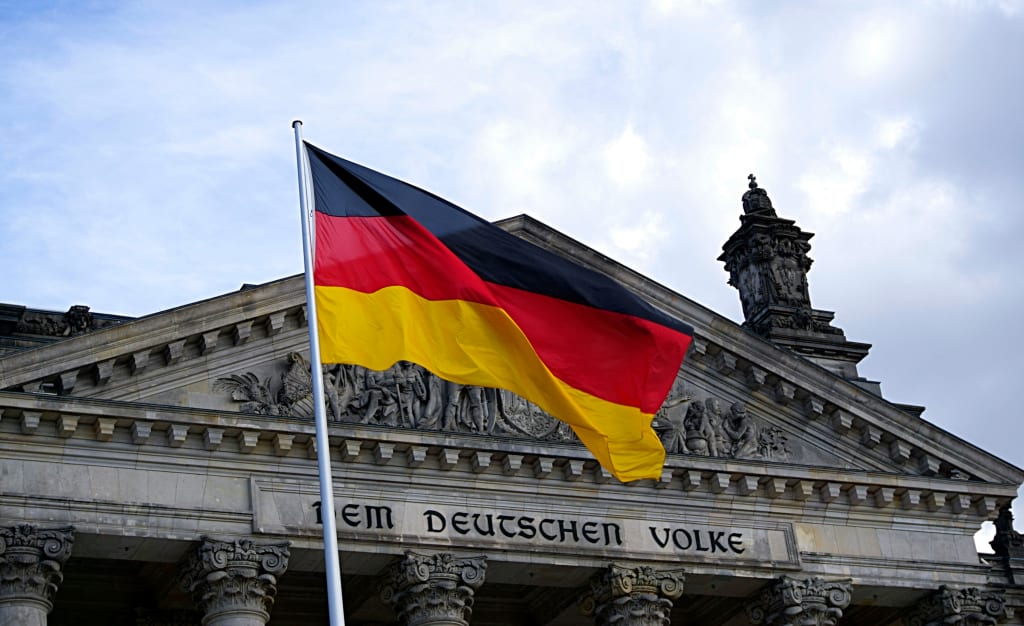
orters and fierce critics. In the case of Germany, the stance on Bitcoin is one marked by caution, skepticism, and a recognition of the challenges posed by decentralized digital currencies to the traditional banking system.
In recent statements, Joachim Nagel, the President of the Deutsche Bundesbank (German Central Bank), made it clear that Bitcoin, and cryptocurrencies in general, are not viewed as viable assets for the country's monetary policy or as reserves for central banks. Nagel's comments shed light on Germany’s broader perspective on the future of digital assets, especially regarding their integration into the mainstream financial system.
Germany's Skeptical View on Bitcoin and its Role in the Economy
Bitcoin's volatile nature and lack of intrinsic value have been key factors in Germany's cautious approach. Unlike traditional currencies, which are backed by governments and central banks, Bitcoin operates in a decentralized environment without any central authority. This detachment from traditional financial systems makes Bitcoin particularly risky from a regulatory and economic stability perspective. In the eyes of the Deutsche Bundesbank, Bitcoin’s inability to provide consistent value, combined with its susceptibility to market manipulation and speculative trading, renders it unsuitable for use as a currency or reserve asset.
Joachim Nagel's comments in early 2025 reaffirmed Germany's stance, emphasizing that Bitcoin does not meet the necessary criteria for being adopted as a reserve currency. "Bitcoin does not fulfill the functions that a central bank currency would need," Nagel stated during a speech at an international financial conference. "It is neither a stable store of value, nor is it a widely accepted medium of exchange, and therefore, it cannot be part of Germany's monetary reserves."
Legal and Regulatory Framework: Germany's Cautious Approach
Germany has not outright banned Bitcoin or other cryptocurrencies. However, its approach to crypto assets is rooted in a regulatory framework that seeks to limit the potential risks associated with their use. The German government, through its financial supervisory authority, BaFin, has introduced regulations to ensure that cryptocurrencies do not pose a systemic risk to the country's financial stability.
In 2019, Germany passed a law that allowed banks and financial institutions to offer cryptocurrency custody services, a move that reflected the government's desire to regulate and monitor the growing crypto market. Despite this progress, Bitcoin and other cryptocurrencies are still not considered "official" legal tender in Germany, and their use for daily transactions remains limited. This reflects the country’s overall caution in allowing cryptocurrencies to play a major role in its economy.
One of the reasons for this cautious approach is the fear that cryptocurrencies could be used for illicit activities, including money laundering and tax evasion. As a result, Germany has implemented strict Know-Your-Customer (KYC) and Anti-Money Laundering (AML) requirements for businesses operating in the crypto space. This framework helps reduce the potential misuse of cryptocurrencies while still permitting innovation and experimentation within the sector.
The Challenge of Digital Euro and Central Bank Digital Currencies (CBDCs)
While Bitcoin remains on the periphery of the German economy, there is a growing interest in Central Bank Digital Currencies (CBDCs) within Europe. Germany has been actively involved in discussions surrounding the potential launch of a digital euro. This digital currency, backed by the European Central Bank (ECB), would provide a stable and secure alternative to cryptocurrencies like Bitcoin.
The introduction of a digital euro could address many of the concerns that German officials have with decentralized digital currencies. Unlike Bitcoin, a digital euro would be issued and regulated by the ECB, ensuring stability and trust. It would also provide a more seamless integration into the existing financial infrastructure, with the potential to support various use cases, including cross-border payments, online transactions, and micropayments.
Joachim Nagel has been a vocal advocate for the development of a digital euro, arguing that it would offer the benefits of digital currency without the risks associated with cryptocurrencies. In a statement to the press, he noted that "a digital euro could strengthen Europe's financial sovereignty, provide greater financial inclusion, and help maintain the stability of the European monetary system."
Global Implications of Germany's Bitcoin Stance
Germany's cautious stance on Bitcoin has broader implications for the global cryptocurrency market. As Europe's largest economy and one of the world's top financial hubs, Germany’s position could influence other European countries' policies on cryptocurrencies. Its regulatory framework and cautious approach could serve as a model for other nations looking to balance the benefits of digital currencies with the need to protect financial stability.
Furthermore, Germany's skepticism toward Bitcoin could affect investor sentiment in the cryptocurrency market. While some investors view Germany’s stance as a prudent approach, others see it as a barrier to the widespread adoption of cryptocurrencies in mainstream finance. As countries around the world continue to grapple with the implications of digital currencies, Germany’s position will likely remain a key point of debate.
Conclusion: A Conservative Yet Forward-Looking Position
In conclusion, Germany’s stance on Bitcoin is one of caution, rooted in concerns about the potential risks posed by decentralized digital currencies. While the country has not dismissed the idea of digital assets entirely, it remains steadfast in its belief that Bitcoin is not suitable as a central bank reserve or a mainstream currency. However, Germany’s interest in Central Bank Digital Currencies (CBDCs) suggests that the country is open to exploring the benefits of digital currencies within a regulated and stable framework.
As the world continues to witness the rise of cryptocurrencies and the potential for digital financial systems, Germany’s approach will likely continue to evolve. The German government’s emphasis on regulation, financial stability, and the exploration of CBDCs signals that the future of digital currency in Germany will be one of careful integration rather than blind adoption. For investors and cryptocurrency enthusiasts, it remains to be seen how Germany’s position will shape the broader European and global cryptocurrency landscape in the years to come.
About the Creator
yusuf selho
Crypto analyst and financial writer providing in-depth insights, market trends, and investment strategies. Simplifying complex concepts to help you make informed decisions. Fol the latest updates and opportunities in the digital asset spac
Keep reading
More stories from yusuf selho and writers in Trader and other communities.
Crypto Markets Shake Off August Slump as Regulatory Moves and Institutional Play Gain Momentum
Market Performance and Overview The broader crypto market experienced a pullback in early August, dropping 6.7% from a July peak of around $4 trillion, now hovering near $3.67 trillion in total value . Despite this, Bitcoin showed resilience—rebounding approximately 1.3%, reaching back above $116,000, buoyed by renewed regulatory optimism and macroeconomic tailwinds .
By yusuf selho5 months ago in Trader
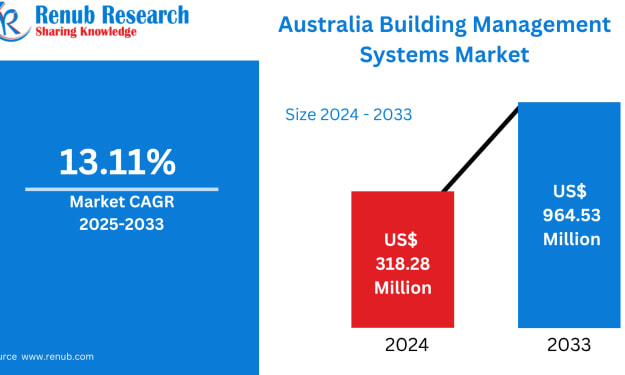
Australia Building Management Systems Market Size and Forecast 2025–2033
Introduction: Smart Buildings Power Australia’s Sustainable Future Australia’s buildings are undergoing a quiet but powerful transformation. As urban centers expand and sustainability goals tighten, the need for intelligent infrastructure has never been greater. At the heart of this transformation lies Building Management Systems (BMS)—digital platforms that automate, monitor, and optimize essential building functions such as energy use, climate control, lighting, and security.
By Marthan Sir4 days ago in Trader
Wild Card Weekend Recap: What Happens Now?
I think I figured out why I love Wild Card Weekend so much. It's because it's the first playoff anything of the calendar year. The NFL season starts in the fall, and once upon a time, the champion was crowned either on or slightly before New Year's. The evolution of the NFL schedule has resulted in the playoffs starting just into the New Year, and currently, the final week of the season falls on the first weekend of the New Year, with Wild Card Weekend coming a week after that. So yes, chronologically, the NFL's Wild Card Weekend serves as the first playoff anything of the calendar year.
By Clyde E. Dawkins7 days ago in Unbalanced



Comments
There are no comments for this story
Be the first to respond and start the conversation.