
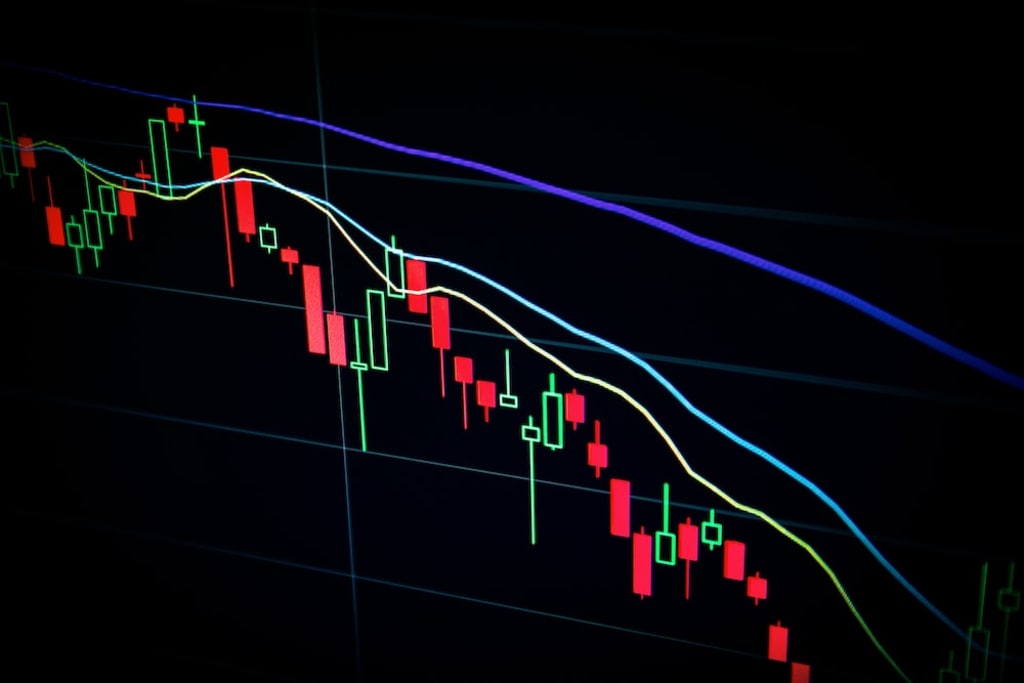
Future and option trading, also known as derivatives trading, has become increasingly popular in the stock market over the past few decades. It is a complex area of investing that involves predicting the future price of a security and using that prediction to generate profits. In this article, we will discuss the basics of future and option trading, how it works, and its advantages and disadvantages.
What are Futures and Options?
Futures and options are two types of financial derivatives that allow traders to make bets on the future price of a security. A futures contract is a legal agreement between two parties to buy or sell an underlying asset at a predetermined price on a specific date in the future. The underlying asset can be a commodity, currency, or stock index. Futures contracts are standardized and traded on exchanges.
An option contract, on the other hand, gives the buyer the right, but not the obligation, to buy or sell an underlying asset at a predetermined price on a specific date in the future. The buyer of an option pays a premium to the seller for this right. Options can be traded on exchanges or over-the-counter (OTC).
How Does Futures and Options Trading Work?
To understand how futures and options trading works, let's take an example of a stock index futures contract. Suppose that the current level of the S&P 500 index is 4,000, and you believe that the index will rise to 4,200 in the next month. You can buy a futures contract for the S&P 500 index at the current price of 4,000. If the index rises to 4,200 in the next month, you can sell the futures contract at the higher price, and you will make a profit. However, if the index falls below 4,000, you will incur a loss.
Similarly, you can use options to make bets on the future price of a security. For instance, suppose you own 100 shares of XYZ Company, and you believe that the stock price will rise from the current level of $50 to $60 in the next month. You can buy a call option for XYZ Company with a strike price of $55. If the stock price rises to $60 in the next month, you can exercise the call option and buy the stock at the strike price of $55. You can then sell the stock at the market price of $60, making a profit. However, if the stock price does not rise above $55, the option will expire worthless, and you will lose the premium you paid to buy the option.
Advantages of Futures and Options Trading
Leverage: Futures and options trading allows investors to trade with leverage, which means that they can control a large amount of assets with a relatively small amount of money. This increases the potential for profits, but it also increases the potential for losses.
Hedging: Futures and options trading can be used to hedge against losses in other investments. For instance, if you own a portfolio of stocks and you are concerned about a market downturn, you can buy put options on the stock index to offset potential losses in the portfolio.
Diversification: Futures and options trading allows investors to diversify their portfolios beyond traditional stocks and bonds. They can invest in commodities, currencies, and other asset classes that may not be available through traditional investments.
Liquidity: Futures and options contracts are traded on exchanges, which means that they are highly liquid. This makes it easy for investors to enter and exit positions quickly and efficiently.
Disadvantages of Futures and Options Trading
Risk: Futures and options trading involves a high degree of risk. Investors can lose more than their initial investment if the market moves against them. This can lead to significant financial losses.
Complexity: Futures and options trading is complex and requires a significant amount of knowledge and expertise. Traders need to have a good understanding of the underlying asset, market trends, and various trading strategies to make informed decisions. A lack of knowledge and experience can lead to costly mistakes.
Volatility: Futures and options trading is highly volatile, and prices can change rapidly based on market conditions. This can lead to unexpected losses or gains, making it difficult for investors to manage their positions effectively.
Margin Requirements: Futures and options trading requires investors to maintain a minimum amount of margin in their accounts to cover potential losses. This can tie up a significant amount of capital, limiting investors' ability to make other investments.
Tips for Trading Futures and Options
Develop a trading plan: Before entering into any trade, it is important to develop a trading plan that outlines your investment goals, risk tolerance, and trading strategies. This can help you make informed decisions and manage your positions effectively.
Understand the risks: Futures and options trading is inherently risky, and traders should be aware of the potential for losses. It is important to understand the risks associated with each trade and to use stop-loss orders to limit potential losses.
Stay up-to-date on market news and trends: Futures and options prices are highly sensitive to market news and trends. Traders should stay up-to-date on market developments and be prepared to adjust their positions accordingly.
Use leverage wisely: While leverage can increase potential profits, it can also amplify losses. Traders should use leverage wisely and only invest what they can afford to lose.
Conclusion
Futures and options trading can be a lucrative investment strategy for those who have the knowledge and expertise to navigate the complex market. However, it is important to understand the risks associated with this type of trading and to use caution when investing. Traders should develop a solid trading plan, stay up-to-date on market trends, and use leverage wisely to maximize their chances of success. As with any investment, the key to success in futures and options trading is to manage risk effectively and make informed decisions based on market conditions.
About the Creator
VOO Stock: Latest Market Trends and Expert Investment Analysis
The VOO stock, representing the Vanguard S&P 500 ETF, is one of the most widely held ETFs in the US market, providing investors with diversified exposure to the top 500 companies listed on the S&P 500 index. With its strong track record, VOO stock has become a preferred choice for both long-term investors and active traders looking to balance growth and stability.
By Hammad Nawaz6 days ago in Trader
Beta Glucan Market Size and Forecast 2026–2034
Introduction The global beta glucan market is poised for steady expansion over the coming decade, fueled by increasing consumer awareness about immune health, rising demand for functional foods, and growing pharmaceutical applications. Beta glucan, a natural soluble dietary fiber, has gained significant attention for its scientifically proven health benefits, including immune system enhancement, cholesterol reduction, and blood sugar regulation.
By Sakshi Sharmaabout 11 hours ago in Trader
Guard Your Battery
Why are some people so attractive just by standing there? It’s not because they are "likable," but because they don’t need everyone to like them. I realized later that truly charismatic people allow themselves to be criticized, but they never criticize themselves. They never try to please the world; instead, the world stops to watch them.
By Emily Chan - Life and love sharing7 days ago in Poets




Comments