
Funded Crypto Trading: Guide to Getting Started and Succeeding
Funded Crypto Trading


Funded crypto trading is a unique model in the trading world where firms provide capital to traders who demonstrate skill and potential, allowing them to trade with limited personal financial risk. In this model, aspiring traders join a proprietary trading (prop trading) firm or a trading program, complete evaluations or tests to prove their skills, and, upon success, receive access to a designated amount of capital for trading cryptocurrencies. The firm and the trader then share any profits generated, which incentivizes the trader to perform well while limiting their financial exposure. This guide explores the ins and outs of funded crypto trading, highlighting how it works, the advantages it offers, and how to start a career in this exciting field.
The Benefits of Funded Crypto Trading
One of the most significant benefits of funded crypto trading is access to large sums of capital without needing a substantial personal investment. Since crypto trading can be volatile and capital-intensive, this model allows traders to engage in high-stakes trades that may yield larger profits than they could afford on their own. Additionally, funded trading minimizes personal financial risk, as traders typically only forfeit potential profits rather than incur personal losses if trades go wrong. For traders aiming to gain experience in the crypto market, funded trading also offers professional-grade resources like advanced trading platforms, data analytics, and mentorship opportunities that can enhance both skill and strategy.
How Funded Crypto Trading Programs Operate
Most funded crypto trading programs begin with an evaluation phase, where traders must pass a series of tests or prove profitable performance over a trial period. Evaluation often involves simulated trading environments or real markets with small amounts of capital. Once the trader demonstrates profitability and risk management, they receive access to a funded account. Profits generated are typically split between the trader and the firm, with most programs offering a favorable profit-sharing percentage to incentivize continued performance. This structure enables firms to profit from successful traders while providing a career path for skilled individuals.
Different Types of Funded Crypto Trading Firms
Several types of funded crypto trading firms operate in the market, each with distinct models and offerings. Some focus exclusively on crypto assets, while others cover multiple asset classes like forex, commodities, and equities alongside crypto. Leading firms include:
FTMO: Known for its comprehensive evaluation program and flexibility across asset classes, FTMO offers crypto funding alongside forex, equities, and commodities.
The5ers: This firm provides access to large trading accounts, focusing on growth potential and rewarding consistent performance.
MyForexFunds: While traditionally focused on forex, MyForexFunds has recently expanded into crypto trading, offering funding to traders who pass their evaluation criteria.
Each firm offers unique conditions regarding fees, evaluation processes, and profit-sharing percentages, so traders should carefully consider each option to find the best fit for their goals and trading style.
Common Strategies
Success in funded crypto trading depends on disciplined strategies that account for the crypto market’s high volatility. Some effective strategies include:
Scalping: Scalpers focus on making quick profits from small price changes by executing high-frequency trades. This approach works well in funded trading, as firms typically prioritize short-term profit generation.
Swing Trading: Swing trading involves holding positions for several days or weeks to profit from broader price trends. This is ideal for traders who prefer a slower pace and can adapt to changing market conditions.
Trend Following: Trend followers monitor price patterns to identify and follow long-term trends. This method requires patience and a keen eye for market analysis, making it suited to traders who thrive on technical analysis.
Traders often find that combining these strategies or switching between them based on market conditions can lead to optimal results, but risk management remains crucial in any funded trading environment.
Risk Management in Funded Crypto Trading
Effective risk management is vital in funded crypto trading since the firm's capital must be preserved for profitability to continue. Some essential risk management techniques include setting stop-loss orders, using position-sizing methods, and diversifying trading pairs. Additionally, maintaining a low leverage ratio is essential, as high leverage can lead to significant losses in crypto markets. Most funded trading programs have strict rules on maximum daily losses or drawdown limits to prevent excessive risk-taking, so adhering to these guidelines is critical to maintaining access to capital and ensuring consistent profitability.
Navigating the Evaluation Process
The evaluation process is often rigorous, designed to weed out traders who cannot demonstrate consistent profitability or sound risk management. To pass, it’s essential to focus on consistency rather than high-risk, high-reward trades. Developing a trading plan, setting realistic daily goals, and tracking performance metrics are effective ways to showcase discipline and reliability. It’s also beneficial to review past trades, analyze mistakes, and adapt strategies to perform better on future trades. Many evaluation programs allow re-takes, so persistence and continuous improvement can increase a trader's chances of securing a funded account.
Technology in Funded Crypto Trading
Funded crypto trading often provides access to advanced technology, which can give traders a significant edge. Many firms offer proprietary trading platforms with features such as real-time data analysis, advanced charting, and automated trading capabilities. Additionally, algorithmic trading tools and machine learning models allow traders to optimize their strategies based on historical data. For instance, automated bots can perform high-frequency trades around the clock, while AI-driven tools analyze patterns for longer-term trends. By utilizing these tools, traders in funded programs can make data-driven decisions that enhance their profitability and improve their overall performance.
Legal and Regulatory Considerations
Funded crypto trading operates in a legal landscape that varies widely by jurisdiction. Traders should be aware of the regulations surrounding cryptocurrencies and trading activities in their country, as certain jurisdictions impose restrictions on leveraged trading or limit the types of crypto assets that can be traded. Additionally, funded trading firms may have specific compliance requirements, such as Know Your Customer (KYC) and Anti-Money Laundering (AML) protocols. Staying informed about legal considerations helps traders avoid regulatory issues and maintain compliance with firm policies, creating a smoother and safer trading experience.
Key Differences and Similarities
Funded crypto trading and traditional prop trading share many similarities, such as the profit-sharing model and the focus on skill-based capital allocation. However, funded crypto trading often provides more flexibility and access to innovative trading tools. Crypto markets are also highly liquid and accessible 24/7, allowing crypto prop traders to operate in dynamic environments not available in traditional financial markets. Additionally, crypto trading firms may have less stringent entry requirements compared to traditional finance prop firms, making them more accessible to emerging traders eager to gain experience in a rapidly evolving market.
11. Future Trends
The funded crypto trading model continues to evolve, with new developments in blockchain technology, AI, and decentralized finance (DeFi) driving innovation. Many firms are exploring ways to incorporate DeFi tools and decentralized exchanges (DEXs) into their platforms, potentially reducing trading fees and increasing accessibility. Moreover, the rise of blockchain-based analytics and on-chain data could help traders make more accurate predictions about market movements. As the crypto market matures and regulations become clearer, the funded trading model is likely to grow, providing more opportunities for traders and further solidifying crypto’s role in the financial ecosystem.
12. Conclusion
Funded crypto trading offers a unique pathway for aspiring traders to access the crypto market with limited financial risk while benefiting from professional resources and structured profit-sharing. It provides a viable alternative to self-funded trading, which can be costly and high-risk, especially in crypto’s volatile environment. However, funded trading also demands skill, discipline, and adaptability, as traders must adhere to strict risk management guidelines and pass rigorous evaluations. For those willing to commit to learning, improve their strategies, and navigate a challenging environment, funded crypto trading can be a rewarding venture into the dynamic world of digital assets.
About the Creator
Bit Funded
BitFunded is embarking you on a transformative journey in crypto trading and unlocking the potential of your skills with a proprietary trading account.
https://www.bitfunded.com/
Keep reading
More stories from Bit Funded and writers in Trader and other communities.
Funded Crypto Trading: A Pathway to Trading with Provided Capital
Funded crypto trading is a trading arrangement where traders use capital provided by a company or prop trading firm to execute cryptocurrency trades. Unlike traditional trading, where traders use their own funds, funded trading programs allow traders to trade without risking their own money. In return, the profits are usually split between the trader and the funding firm according to prearranged terms. This model has become increasingly popular in the crypto space, where high volatility creates both opportunities and risks. By offering traders access to larger pools of capital, funded crypto trading allows individuals to leverage market movements for potentially higher returns than they might achieve with personal capital alone.
By Bit Fundedabout a year ago in Trader
Australia Wealth Management Market Set for Strong Expansion as Digital Platforms and HNWI Demand Surge
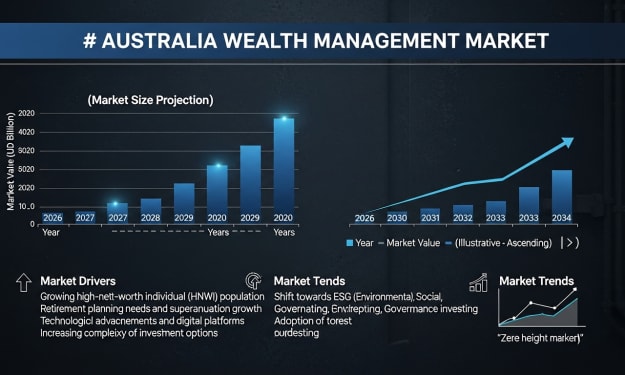
The Australia wealth management market is experiencing robust growth as affluent individuals, corporates, and savers increasingly seek expert financial planning, personalized investment strategies, and digital advisory solutions. According to IMARC Group, the market was valued at USD 110.3 Million in 2024 and is expected to reach USD 213.2 Million by 2033, registering a compound annual growth rate (CAGR) of 7.60% between 2025 and 2033.
By Rashi Sharma2 days ago in Trader
Ludacris and Nelly draw backlash over bookings at MAGA-coded music festival
Ludacris and Nelly headlining a mostly right-wing event is good for them. It’s also great for the genre of hip hop. The two rap veterans have showcased their talents on other stages. Why can’t they perform for mostly MAGA folks and grab that bag?
By Skyler Saundersa day ago in Beat


Comments
There are no comments for this story
Be the first to respond and start the conversation.