
Forex Signals vs. Manual Trading: Find Your Perfect Fit
Navigating the Forex Market: Comparing Forex Signals and Manual Trading to Discover Your Ideal Strategy

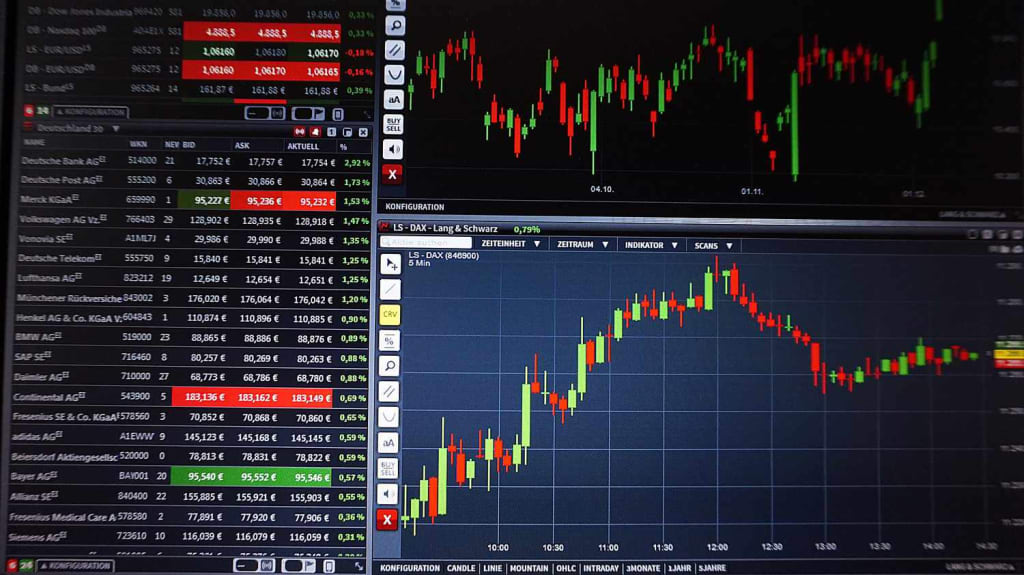
The forex market, known for its high volatility and profit potential, offers traders a variety of approaches to maximize their gains. Among these, two prominent methods—forex signals and manual trading—stand out. While both have their strengths and weaknesses, choosing the right one for your trading journey depends on your goals, experience, and trading style. In this blog, we’ll delve into the key differences, advantages, and limitations of both forex signals and manual trading, helping you determine the best fit for your trading aspirations.
What Are Forex Signals?
Forex signals are essentially recommendations or alerts that provide traders with insights into potential trading opportunities. Generated by expert traders or automated systems, these signals typically include information such as:
Currency pair to trade
Entry price
Stop-loss levels
Take-profit targets
Forex signals are popular among beginners and experienced traders alike, as they simplify decision-making by reducing the need for extensive market analysis.
What Is Manual Trading?
Manual trading, on the other hand, involves traders making their own decisions based on their personal analysis of the forex market. It requires a strong understanding of technical and fundamental analysis, a disciplined approach, and the ability to react to rapidly changing market conditions. Unlike forex signals, manual trading puts the trader in full control of every aspect of the trade.
The Pros of Using Forex Signals
Forex signals offer a range of benefits that make them attractive to many traders. Here are some of the key advantages:
1. Time-Saving
For traders with limited time, forex signals are a game-changer. Instead of spending hours analyzing charts, you can rely on expert advice to guide your trades.
2. Access to Expert Knowledge
Signals are often created by professional traders or advanced algorithms, providing valuable insights that may otherwise take years of experience to develop.
3. Simplicity for Beginners
New traders can enter the market with confidence using signals, as they eliminate much of the guesswork involved in forex trading.
4. Consistent Updates
With real-time alerts, you can stay informed about trading opportunities around the clock, even if you aren’t actively monitoring the market.
The Cons of Forex Signals
While forex signals have their advantages, they also come with certain downsides:
1. Dependence on Third Parties
Using signals requires you to rely on external sources, which can sometimes lead to delayed or inaccurate information.
2. Limited Skill Development
Since the analytical work is done for you, forex signals don’t help you improve your personal trading skills or market knowledge.
3. Cost Implications
Many high-quality forex signal services charge a subscription fee, which can be a barrier for budget-conscious traders.
The Benefits of Manual Trading
Manual trading offers a more hands-on approach, with several unique benefits:
1. Complete Control
As a manual trader, you have full authority over your trades, allowing you to customize strategies according to your preferences.
2. Skill Development
By analyzing market trends and patterns yourself, you develop valuable trading skills and a deeper understanding of the forex market.
3. Flexibility
Manual trading allows you to adapt quickly to market changes, giving you the ability to make decisions in real-time.
4. No Subscription Costs
Unlike paid signal services, manual trading doesn’t require ongoing fees, making it more cost-effective in the long run.
The Challenges of Manual Trading
While manual trading can be rewarding, it also comes with its own set of challenges:
1. Time-Consuming
Successful manual trading demands significant time and effort to monitor markets, analyze data, and execute trades.
2. Emotional Decision-Making
Without a disciplined approach, emotions like fear and greed can influence your trades, leading to potential losses.
3. Steeper Learning Curve
Becoming a skilled manual trader requires patience and dedication, which may not appeal to everyone.
Which Option Is Right for You?
The choice between forex signals and manual trading largely depends on your personal preferences, experience level, and available time. If you’re a beginner looking for a simpler entry point or a trader with limited time, forex signals can be a great way to get started. On the other hand, if you’re passionate about learning the intricacies of the forex market and want complete control over your trades, manual trading might be the better fit.
Combining Forex Signals and Manual Trading
For many traders, the optimal solution lies in combining both approaches. By using forex signals as a supplementary tool while continuing to refine your manual trading skills, you can leverage the best of both worlds. This hybrid strategy allows you to learn from expert insights while maintaining the flexibility to adapt to market conditions.
Conclusion
Choosing between forex signals and manual trading ultimately comes down to your individual goals and trading style. While forex signals provide a convenient and time-saving option, manual trading offers deeper engagement and skill development. By carefully evaluating your needs and experimenting with both methods, you can discover the approach that works best for you in the dynamic world of forex trading. Whatever path you choose, staying informed and disciplined is key to long-term success in the forex market.
About the Creator
The forex signals
The Forex signals is a leading provider of forex trading signals and education.
Keep reading
More stories from The forex signals and writers in Trader and other communities.
Boost Your Trading Skills with Free Forex Courses
Forex trading is an exciting and potentially profitable endeavor, but it can also be overwhelming, especially for beginners. To navigate the complexities of the foreign exchange market, proper education is essential. Fortunately, you don’t need to break the bank to acquire the knowledge you need. Free forex courses are a fantastic way to build and refine your trading skills, whether you’re a complete beginner or an experienced trader looking to enhance your strategies.
By The forex signalsabout a year ago in Trader
Australia Car Wash Services Market Accelerates Toward Sustainability and Digital Growth
The Australia Car Wash Services Market is on a steady growth trajectory as professional vehicle cleaning gains momentum with increasing environmental awareness, disposable income, and digital convenience. According to the latest IMARC Group research, the market reached USD 985.6 million in 2025 and is expected to grow to USD 1,242.8 million by 2034, representing a compound annual growth rate (CAGR) of 2.61% between 2026 and 2034.
By Rashi Sharma7 days ago in Trader
Silver Price Today: Market Update, Economic Impact, and Investor Perspective
Silver Price Today: Understanding the Current Market Mood The silver price today continues to attract attention from investors, traders, and market analysts around the world. Silver holds a unique position in the commodities market because it serves both as a precious metal and a key industrial resource. This dual nature makes its daily price movements especially sensitive to global economic changes, financial market trends, and industrial demand cycles.
By Hammad Nawaz6 days ago in Trader




Comments (1)
very informative.