
Exploring the Evolution: Crypto vs. Digital Assets - The Future of Finance
Understanding the Distinctions Between Cryptocurrency and Digital Assets
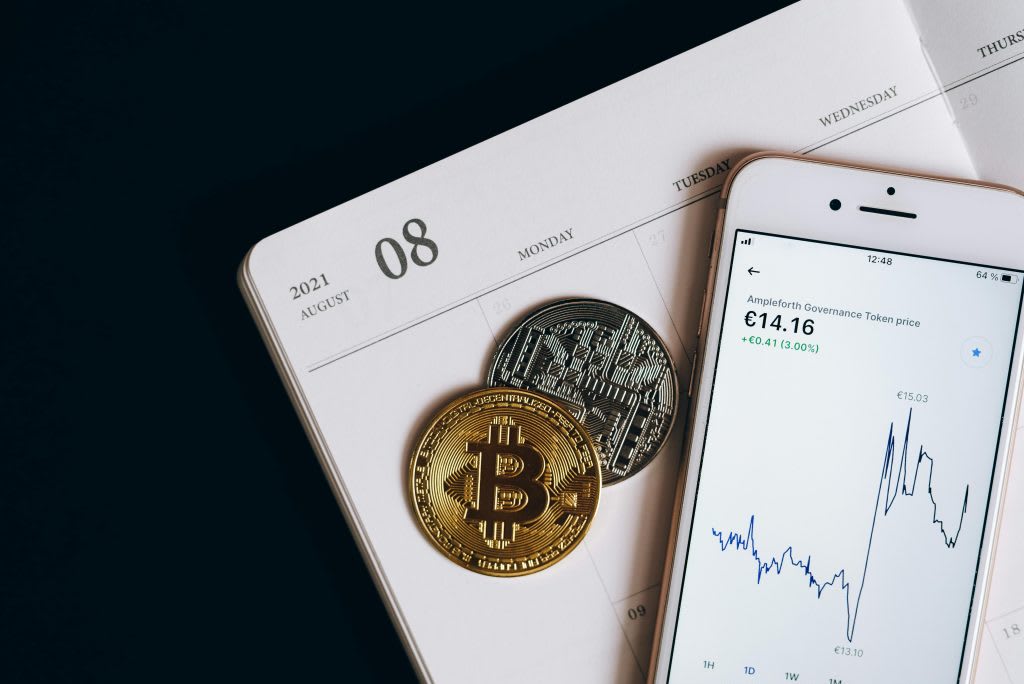
In the rapidly advancing world of finance and technology, the terms "crypto" and "digital assets" are often used interchangeably. However, these terms refer to distinct concepts, each playing a unique role in the digital transformation of our global economy. While both crypto and digital assets fall under the umbrella of blockchain and digital innovation, understanding the subtle yet important differences between them is crucial for anyone seeking to navigate the future of finance. This article aims to shed light on these differences and explore the evolving role each plays in shaping our financial landscape.
What is Cryptocurrency?
Cryptocurrency refers to a specific type of digital asset that operates on a decentralized network using cryptography to secure transactions. The most famous example of cryptocurrency is Bitcoin, created in 2009 by the pseudonymous Satoshi Nakamoto. Cryptocurrencies are designed to operate independently of central banks or traditional financial institutions, offering an alternative form of currency for peer-to-peer transactions.
The defining characteristic of cryptocurrencies is their decentralized nature. Traditional currencies like the US dollar or euro are controlled by central authorities (governments and banks), but cryptocurrencies are based on blockchain technology, which is decentralized and operates across a network of computers (nodes). This allows for transparency, security, and the potential for reducing intermediaries, making transactions faster and less costly.
Cryptocurrencies, such as Bitcoin, Ethereum, and others, are also highly volatile and speculative. They are seen by many as an investment vehicle, with prices often fluctuating dramatically based on market demand, news, and broader economic factors. However, cryptocurrencies also offer the potential for disruption in the financial system, with some proponents viewing them as the future of money itself.
Digital Assets: A Broader Concept
While cryptocurrencies fall under the category of digital assets, the term "digital assets" encompasses a much broader range of digital items and commodities. A digital asset is any asset that exists in digital form and has value. These assets can be anything from tokens and digital currencies to virtual real estate, non-fungible tokens (NFTs), and even intellectual property rights stored on the blockchain.
Digital assets have gained significant traction in various industries, including entertainment, gaming, art, and even real estate. Non-fungible tokens (NFTs), for instance, have created a new market for digital ownership of unique items, from digital art to collectible items within virtual games. Unlike cryptocurrencies, which are fungible (meaning each unit is identical to another, like one Bitcoin being equal to another), NFTs are unique and represent ownership of a specific item or asset, which is why they have become so popular within the realms of art and collectibles.
In addition to NFTs, digital assets can include:
- Security Tokens: These are digital representations of traditional securities (stocks, bonds, etc.) and often come with regulatory oversight.
- Stablecoins:Digital assets pegged to a reserve asset, such as the US dollar, designed to reduce the volatility seen in many cryptocurrencies.
- Digital Real Estate: Virtual properties within online worlds (like Decentraland or Sandbox), which are bought, sold, and used for creating virtual experiences or as investments.
Essentially, digital assets represent any form of asset that exists in a purely digital format. While cryptocurrencies like Bitcoin are used primarily as a store of value or means of exchange, other types of digital assets can serve as a way to access or claim ownership over a broad range of things within the digital world.
Key Differences Between Crypto and Digital Assets
While cryptocurrencies are a specific subset of digital assets, several key differences set them apart from other types of digital assets:
1. Purpose and Use Cases:
- Cryptocurrency is primarily used as a currency or store of value. It’s traded on exchanges, used in transactions, and increasingly viewed as an alternative asset class.
- Digital Assets, on the other hand, can represent ownership, access, or rights to a wide variety of assets, including art, real estate, or intellectual property. Some digital assets can also be used as investments or financial instruments, but their use cases extend far beyond mere currency.
2. Regulation and Legal Frameworks:
- Cryptocurrencies often operate in a grey area of regulation. The decentralized nature of these digital currencies means they don’t fall under the jurisdiction of any single government, though countries are beginning to implement regulations for tax purposes and to ensure anti-money laundering (AML) compliance.
- Digital Assets are subject to more regulatory oversight, especially when they represent financial instruments like security tokens or represent ownership rights (like NFTs). As the digital asset market matures, governments are increasingly focusing on creating frameworks to regulate the trading, ownership, and taxation of these assets.
3. Volatility:
- Cryptocurrencies are known for their extreme volatility. The prices of digital coins like Bitcoin or Ethereum can swing wildly within short time periods, driven by speculation, market trends, or external factors.
- Digital Assets, especially those tied to tangible or semi-tangible goods (such as virtual real estate or NFTs), can also experience fluctuations, but their price dynamics may be more stable or influenced by factors like rarity or demand within specific markets, such as the gaming or art industries.
4. Liquidity:
- Cryptocurrencies typically have higher liquidity compared to other digital assets. Because cryptocurrencies are traded on a wide range of exchanges globally, they can be bought and sold quickly in most cases.
- Digital Assets like NFTs, digital real estate, or even security tokens may have lower liquidity, as the markets for these assets are often more niche or specialized. This can make buying and selling more challenging and potentially time-consuming.
The Future of Crypto and Digital Assets
The future of both cryptocurrencies and digital assets looks bright but complex. As blockchain technology evolves, it’s likely that both will continue to shape industries in profound ways. Cryptocurrencies will likely play an increasing role in reshaping the financial landscape, especially as governments and central banks explore the potential of central bank digital currencies (CBDCs).
Meanwhile, digital assets will continue to disrupt areas such as art, entertainment, and gaming, providing new avenues for ownership and monetization in the digital age. With the rise of NFTs, digital art, and virtual worlds, digital ownership will likely become a more mainstream concept, especially as younger generations who are more attuned to digital environments gain economic power.
In addition, institutional adoption of both crypto and digital assets is increasing. Companies like Tesla, PayPal, and Square are integrating cryptocurrency into their business models, and the rise of decentralized finance (DeFi) platforms presents a new frontier for financial services.
However, challenges such as regulatory uncertainty, market volatility, and the need for broader consumer education must be addressed before crypto and digital assets can fully realize their potential.
Conclusion
While "crypto" and "digital assets" are often used as interchangeable terms, the distinctions between them highlight the breadth of the digital economy and the growing role of blockchain technology. Cryptocurrencies represent a disruptive shift in how we view money, whereas digital assets encompass a much wider array of goods, services, and opportunities within the digital world.
As technology continues to evolve and these digital realms expand, understanding the nuanced differences between crypto and digital assets will be essential for anyone looking to navigate the future of finance. From the potential of decentralized finance to the innovation of digital ownership, both crypto and digital assets are poised to play crucial roles in transforming how we live, work, and invest.
About the Creator
Keep reading
More stories from Craig Justin and writers in Trader and other communities.
Crypto Hedge Funds: Navigating the Volatile Intersection of Traditional Finance and Digital Assets
The rise of cryptocurrencies has not only reshaped the way individuals and institutions think about money, but it has also given birth to a new breed of investment vehicle: the crypto hedge fund. These funds, which combine the strategies of traditional hedge funds with the complexities of digital assets, are growing rapidly as more investors look to capitalize on the volatility and potential returns offered by the cryptocurrency market.
By Craig Justin11 months ago in Trader
Can a Custom ChatGPT-Style Tool Fit Real Business Needs?
As artificial intelligence becomes part of everyday workflows, many businesses are starting to ask a practical question: can a custom ChatGPT-style tool actually solve real business problems, or is it just another tech trend? Public AI tools are impressive, but they are built for general use. Businesses often operate in far more specific environments with unique data, rules, and goals. This is where the idea of using a ChatGPT clone script comes into focus. Instead of relying on a one-size-fits-all tool, companies explore building AI systems tailored to their internal needs. Understanding whether this approach truly fits real-world operations requires a closer look at how businesses work and where custom AI adds value.
By smithtaylor6 days ago in Trader




Comments