
Dow Jones Rollercoaster: Market Trends Are Shaped by Jobs Data, Fed Speculation, and Tech Volatility
From Record Highs to Sudden Drops: Breaking Down the Forces Behind the Dow’s Latest Moves

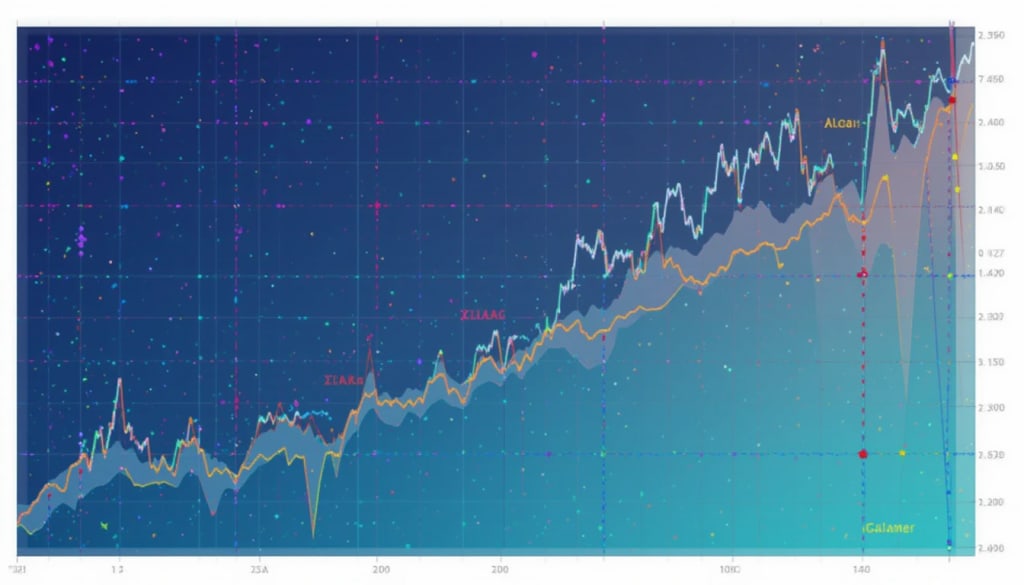
Over the past 24 hours, the Dow Jones Industrial Average (DJIA), a gauge of the health of the U.S. economy, has seen a flurry of activity that reflects the interaction of solid economic data, policy uncertainty from the Federal Reserve, and sectorspecific turbulence. Here is a comprehensive look at the forces that are driving the Dow and what investors should keep an eye on going forward, from record highs to sudden drops.
1. The Good Jobs Report Calms Concerns About the Recession The Dow Jones surged over 300 points following the release of a strongerthananticipated U.S. jobs report. Overcoming expectations of 190,000, the economy added 272,000 jobs in May, while unemployment climbed to 4%. This paradox—strong hiring amid rising joblessness—suggests a resilient labor market, alleviating immediate recession concerns.
Why it's important: Investors are more confident in corporate earnings because the data emphasize economic durability. But wage growth of 4.1% yearoveryear has rekindled concerns about inflation. According to CME FedWatch, markets now anticipate a chance of a rate cut in September of 55%, down from 70% the previous week. Expert Insight:
“The jobs numbers are a doubleedged sword. While they signal economic strength, they also give the Fed room to delay cuts,” said Diane Swonk, chief economist at KPMG. Gains were led by banking and industrials, with JPMorgan and Caterpillar rising by more than 2%.
2. Tech Stocks Stumble Amid AI ProfitTaking
The tech giants Intel (INTC) and Salesforce (CRM) lost 3% and 2.5%, respectively, after the Dow experienced an initial rally. The Nasdaq, which is dominated by tech stocks, lost 1%, while the S&P 500 remained unchanged. The AI Contribution: Investors cashed in on AIrelated stocks after NVIDIA’s historic rally, signaling sector rotation into value stocks.
Cybersecurity firm CrowdStrike’s earnings beat failed to lift the sector, highlighting selective profittaking.
Market Sentiment:
“AI remains a longterm play, but valuations are stretched. Traders are locking in gains,” noted Wedbush analyst Dan Ives. The Dow’s tech laggards offset gains in consumer staples and utilities, reflecting a riskoff tilt.
3. Fed’s Mixed Signals Fuel Uncertainty
Midsession volatility in the Dow reflected uncertainty regarding the Federal Reserve's rate path. While Fed Chair Powell reiterated a datadependent stance, regional Fed presidents like Loretta Mester warned of “prolonged inflation,” suggesting cuts could be delayed until 2025 if CPI stays elevated.
Key Takeaways:
The Fed’s updated “dot plot” projects just one 2024 rate cut, down from three in March.
Bond markets responded strongly, pushing ratesensitive industries like real estate under pressure as 10year Treasury yields climbed to 4.45%. Plan for Investors: "The market is pricing in a regime of "higher for longer." Concentrate on industries with pricing power, such as the energy and healthcare industries,” Rick Rieder of BlackRock advised.
4. Dow Hits 40,000 Before ProfitTaking Strikes
The Dow briefly breached the 40,000 milestone for the first time, fueled by cyclical stocks, but retreated as investors sold industrials (3M down 1.8%) and financials (Goldman Sachs dipping 1.2%).
Technical Perspective:
The Dow's RSI reached 70, indicating overbought conditions, according to analysts. The S&P 500 plateau in Q4 of 2023 was an example of this, as evidenced by historical data. Sector Spotlight:
The Dow's diversified hedge against volatility is demonstrated by the gains made by Honeywell and Travelers Companies as a result of winning defense contracts and raising insurance premiums, respectively.
5. Boeing’s Downgrade Adds Downward Pressure
Boeing (BA) slid 4% after Fitch downgraded its credit rating to BBB, nearing junk status, citing “ongoing production delays and $4 billion in Q1 losses.” As a Dow component, Boeing’s woes shaved 50 points off the index.
Broader Implications:
The aerospace giant’s struggles with 737 MAX inspections and CEO departures have eroded confidence.
Suppliers like Spirit AeroSystems saw a 6 percent decline, indicating a risk of industrial contagion. Outlook:
Boeing’s rebound hinges on resolving FAA audits and delivery bottlenecks. Until then, it remains a drag on the Dow.
Conclusion: Navigating the Dow’s Crosscurrents
The recent fluctuations of the Dow Jones Industrial Average indicate a market at a crossroads. Strong economic data supports corporate earnings, but sticky inflation and Fed hesitancy threaten the softlanding narrative. Investors should monitor:
1. June CPI Report: Due July 11, it could cement or disrupt ratecut bets.
2. Q2 Earnings Season: Banks kick off reports on July 14; guidance on AI spending and consumer demand will be critical.
3. Geopolitical Risks: Escalating trade tensions and election volatility may spur defensive shifts.
Final thought: While the Dow’s ride to 40,000 marks a psychological win, its sustainability depends on balancing growth, inflation, and policy. Diversification and sector rotation will be key in navigating this complex landscape.
About the Creator
Creative Vision
Crafting magic with words, I weave vivid tales that inspire, inform, and entertain. I bring imagination to life through imaginative expression and captivating narratives because I am passionate about storytelling.
Keep reading
More stories from writers in Trader and other communities.
The Permanent Scar: A VQJ Exchange Analysis on Why Hacked Crypto Projects Fail to Rebound
The cryptocurrency industry is frequently romanticized as a space of second chances, where volatility is a feature and recovery is always just around the corner. However, a stark new reality has emerged in the data for 2026. Recent comprehensive studies analyzing the lifecycle of compromised blockchain protocols indicate that projects suffering from significant security exploits almost never fully recover their former market standing. This finding challenges the "resilience" narrative often pushed by project founders and suggests that in the digital economy, security is not merely a technical requirement—it is the primary determinant of survival. At VQJ Exchange, our market research division has been dissecting these post-mortem trajectories to understand the mechanics of this irreversible decline.
By VQJ Exchange5 days ago in Trader
Dow Jones Industrial Average Updates: Key Gains, Losses, and Market News
The Current Dow Jones index is one of the most watched indicators in the financial world. It reflects the performance of 30 major companies in the United States, giving investors and analysts a quick snapshot of market trends.
By Safdar meykaa day ago in Trader
📢 Raise Your Voice Thread: 01/22/2026
Our “Raise Your Voice Threads” are hosted most alternating Thursdays at 12PM ET to offer creators more avenues to uncover exceptional stories on Vocal. As we are continuously searching for fresh creators and inspiring stories, this thread provides an opportunity to exchange and discuss the stories that have moved and motivated us on Vocal.
By Raise Your Voice by Vocala day ago in Resources



Comments
There are no comments for this story
Be the first to respond and start the conversation.