
Decentralized Finance (DeFi): The Potential Disruptor of Traditional Banking and Finance
Exploring the Rise of Decentralized Financial Platforms and Their Impact on the Future of Banking
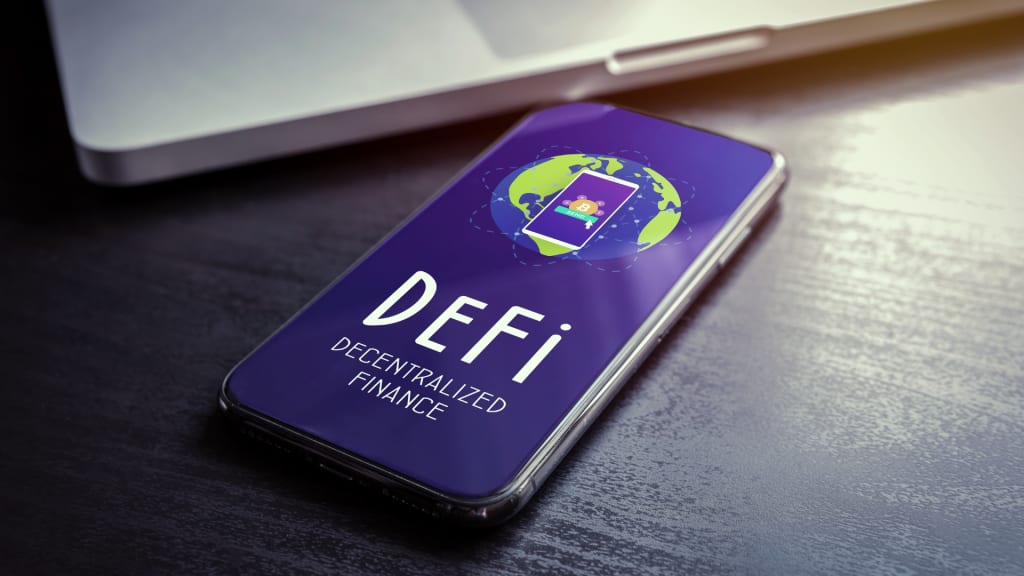
Decentralized finance (DeFi) is a new movement that is changing the way we think about banking and finance. DeFi platforms use blockchain technology to create decentralized financial applications that are accessible to anyone with an internet connection. In this blog, we will explore the rise of DeFi and its potential to disrupt traditional banking and finance.
The Rise of DeFi
DeFi has been around since 2017, but it wasn't until 2020 that it really took off. The total value locked in DeFi protocols rose from less than $1 billion in January 2020 to over $90 billion in May 2021. This exponential growth can be attributed to the benefits that DeFi offers over traditional finance, including lower fees, faster transactions, and greater accessibility.
DeFi platforms use smart contracts to automate financial transactions, eliminating the need for intermediaries like banks and brokers. This allows users to access financial services directly, without the need for a third-party. It also allows for greater transparency and security, as all transactions are recorded on a public blockchain.
The Impact of DeFi on Traditional Banking and Finance
DeFi has the potential to disrupt traditional banking and finance in several ways. First, DeFi can offer financial services to the unbanked and underbanked, who are often excluded from traditional finance due to their location, income level, or credit history. This could have a profound impact on financial inclusion and poverty reduction, particularly in developing countries.
Second, DeFi can offer lower fees and faster transactions than traditional finance. This could make financial services more accessible to a wider range of people, particularly those who cannot afford the high fees charged by banks and other financial institutions.
Finally, DeFi can offer greater security and transparency than traditional finance. All transactions on DeFi platforms are recorded on a public blockchain, making it difficult for fraudsters to manipulate the system. This could help to reduce financial crime and improve trust in the financial system.
Challenges and Controversies
As with any new technology, DeFi has its share of challenges and controversies. One of the biggest challenges is the lack of regulation. DeFi platforms operate in a regulatory grey area, which has led to concerns about investor protection and financial stability.
There are also concerns about the environmental impact of DeFi. The energy consumption of the blockchain is a significant concern, and as DeFi continues to grow, so too will its energy usage.
Finally, there are concerns about the potential for DeFi platforms to be used for money laundering and other illicit activities. While DeFi platforms offer greater security and transparency than traditional finance, they can also be used to anonymize transactions and conceal the identities of the parties involved.
To realize the full potential of DeFi, there needs to be greater collaboration between DeFi platforms and traditional financial institutions. While DeFi has the potential to disrupt traditional finance, it also has the potential to complement it. By working together, DeFi platforms and traditional financial institutions can create a more inclusive, transparent, and efficient financial system that benefits everyone. As DeFi continues to gain momentum, it is essential that the regulatory framework keeps up with the pace of innovation to ensure that investor protection and financial stability are not compromised.
Conclusion
Decentralized finance has the potential to disrupt traditional banking and finance in ways that were previously unthinkable. DeFi platforms offer greater accessibility, lower fees, faster transactions, and greater security and transparency than traditional finance. While DeFi is still in its early stages, its growth and potential impact on the financial system cannot be ignored.
As DeFi continues to evolve, we can expect to see even more innovation and disruption in the financial sector. Whether you are an investor, entrepreneur, or simply someone interested in the future of finance, DeFi is something to keep an eye on. It may just be the next big thing in the world of finance.
Learn More
About the Creator
10 Real Reasons We Can't Stop Broadcasting Our Lives and THINGS
Every time you scroll through your feed, you see them. The perfectly framed vacation photo. The luxury car casually positioned in the driveway. The designer bag that "just arrived." The promotion announcement with three paragraphs of humility wrapped around one core message: Look at me.
By Destiny S. Harris6 days ago in Trader
Bitcoin Tests a Critical Zone as the Fed Signals a Pause
As of January 19, 2026, Bitcoin is once again approaching a psychologically significant price level. After climbing to approximately 97,000 dollars, Bitcoin has reached its highest level in nearly two months. This recovery has reignited market discussion around whether Bitcoin can attempt another move toward the 100,000 dollar mark before February. However, expectations that the Federal Reserve will maintain its current interest rate policy remain a critical variable shaping investor sentiment.
By crypto genieabout 12 hours ago in Trader


Comments
There are no comments for this story
Be the first to respond and start the conversation.