
Cryptocurrency: The Future of Money?
Exploring the Possibility and Changes in Digital Currency

A cryptocurrency, crypto-currency, or crypto is a digital currency designed to work as a medium of exchange through a computer network that is not reliant on any central authority, such as a government or bank, to uphold or maintain it. It is a decentralized system for verifying that the parties to a transaction have the money they claim to have, eliminating the need for traditional intermediaries, such as banks, when funds are being transferred between two entities. Cryptocurrency does not exist in physical form (like paper money) and is typically not issued by a central authority. Cryptocurrencies typically use decentralized control as opposed to a central bank digital currency (CBDC). The first decentralized cryptocurrency was Bitcoin
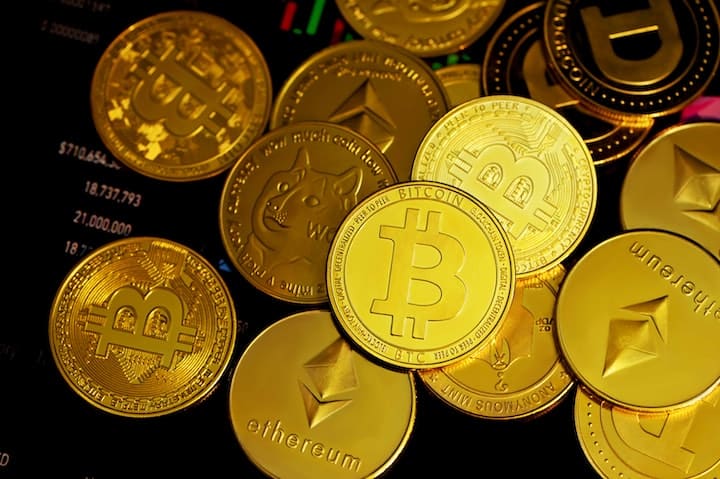
The world of finance is changing, and cryptocurrency is at the forefront of this change. Cryptocurrency, also known as digital or virtual currency, operates on a decentralized system and operates without the need for a central authority. This has led many people to question whether cryptocurrency has the potential to replace traditional currency and become the future of money.
The decentralized nature of cryptocurrency is one of its defining features. Unlike traditional currency, which is controlled by a central authority such as a government or central bank, cryptocurrency operates on a decentralized network of computers, known as nodes. These nodes work together to maintain a public ledger of all transactions, known as the blockchain. This ledger is transparent, secure, and accessible to anyone with an internet connection, which makes it an attractive alternative to traditional currency.
Another advantage of cryptocurrency is its ability to offer financial inclusion. Many people around the world do not have access to traditional banking services and are unable to participate in the global financial system. Cryptocurrency, however, allows anyone with an internet connection to access and use digital currencies, which can help to increase financial inclusion and provide access to financial services to those who need it most.
Cryptocurrency is also fast, secure, and low-cost. Transactions can be processed in real-time, without the need for intermediaries, and without the high fees that are often associated with traditional financial transactions. This makes it an attractive alternative to traditional currency for those who are looking for fast, secure, and low-cost ways to send and receive money.
Despite these advantages, there are also concerns about the future of cryptocurrency. One of the biggest concerns is its volatility. The value of cryptocurrency can fluctuate greatly and unpredictably, which makes it difficult for individuals and businesses to use cryptocurrency as a reliable means of payment. This volatility also makes it difficult for governments to regulate and monitor the currency, which has led to concerns about the potential for abuse and fraud.
Another concern is the lack of regulation surrounding cryptocurrency. While some countries have started to develop regulations to address the use of cryptocurrency, many countries do not yet have specific regulations in place, which leaves the market open to potential risks and abuses.
Despite these concerns, the future of cryptocurrency remains uncertain. While some view it as a passing trend, others believe that it has the potential to disrupt the traditional financial system and become a widespread means of payment. Only time will tell if cryptocurrency will live up to its potential as the future of money, but it is clear that it will play an important role in the future of finance.
For those who are considering investing in cryptocurrency, it is important to do so with caution. Cryptocurrency is a highly speculative investment, and its value can be impacted by a variety of factors, including technological advancements, regulatory changes, and market sentiment. It is important
About the Creator
Keep reading
More stories from writers in Trader and other communities.
ivp stock: Small Share, Big Potential for Smart Investors
ivp stock may seem quiet, but it has hidden potential that many investors overlook. While others chase flashy names, ivp stock quietly builds value. In this article, we explain why ivp stock deserves attention, its current strength, and how patient investors could benefit.
By hamza mirza5 days ago in Trader
Are Moving Average Crossover Strategies Good for Beginners?
Moving average crossover strategies are among the most popular entry points into automated and discretionary trading. They are easy to understand, visually clear, and widely available on platforms like MT4 and MT5. However, while they can work well in trending markets, beginners often struggle with them during sideways or ranging market conditions.
By Beirman Capital5 days ago in Trader




Comments
There are no comments for this story
Be the first to respond and start the conversation.