
Cryptocurrency and NFTs: The Rise of Digital Assets
Understanding the Basics and Potential of Crypto and Non-Fungible Tokens
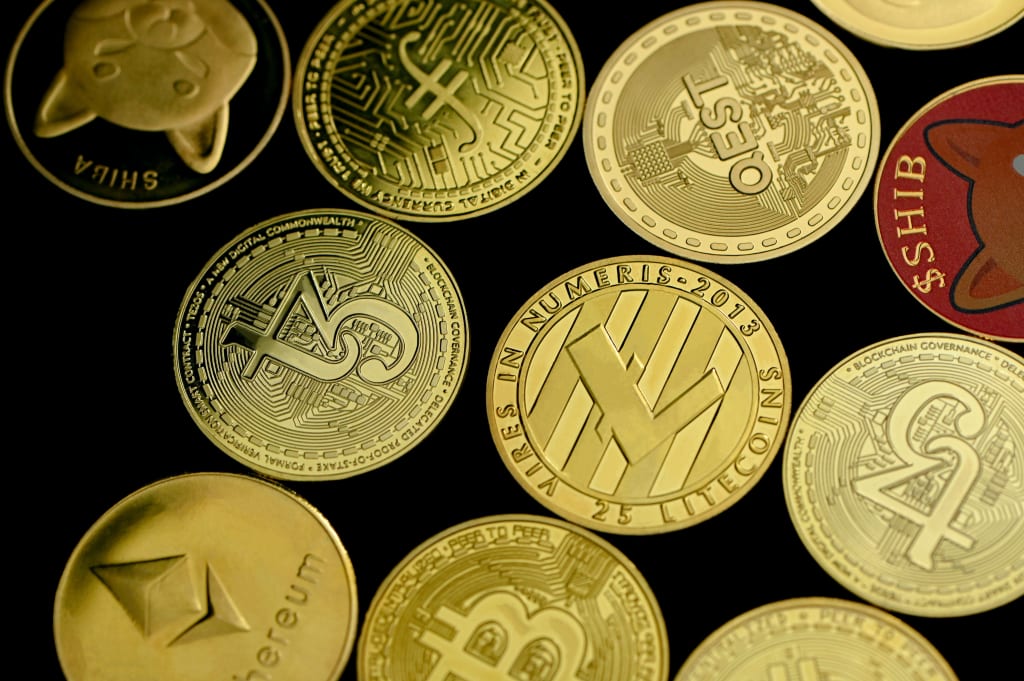
In recent years, cryptocurrency and non-fungible tokens (NFTs) have taken the world by storm, attracting attention from investors, artists, and collectors alike. While these digital assets are still relatively new, they are rapidly gaining popularity and recognition as legitimate forms of currency and property. In this blog, we'll explore the basics of cryptocurrency and NFTs, their potential, and the impact they are having on the world.
What is Cryptocurrency?
Cryptocurrency is a digital or virtual currency that uses cryptography for security and operates independently of a central bank. The most well-known example is Bitcoin, which was created in 2009 by an anonymous person or group using the pseudonym Satoshi Nakamoto. Since then, thousands of other cryptocurrencies have emerged, including Ethereum, Litecoin, and Dogecoin.
Cryptocurrencies are decentralized, meaning they are not controlled by any government or financial institution. Transactions are verified and recorded on a public ledger called a blockchain, which ensures their security and transparency. Cryptocurrencies can be bought, sold, and traded on digital exchanges, and can be used to purchase goods and services from merchants who accept them as payment.
What are Non-Fungible Tokens (NFTs)?
Non-fungible tokens (NFTs) are a type of digital asset that represent ownership or proof of authenticity of a unique piece of content or item, such as digital artwork, music, video, or tweet. Unlike cryptocurrencies, which are fungible and interchangeable, each NFT is unique and cannot be replicated or exchanged for another.
NFTs are created and stored on a blockchain, typically using the Ethereum network. They are sold and traded on NFT marketplaces, such as OpenSea, Rarible, and SuperRare, where buyers can bid on and purchase them using cryptocurrency. NFTs have gained popularity among artists and collectors who see them as a new way to monetize and showcase their work, as well as among investors who see them as a potential store of value.
The Potential of Crypto and NFTs
Both cryptocurrency and NFTs have the potential to disrupt traditional systems of finance and ownership, and offer new opportunities for innovation, creativity, and investment.
Cryptocurrency allows for faster, cheaper, and more secure transactions than traditional payment systems, and can potentially offer financial services to people who are unbanked or underbanked. Cryptocurrency can also enable new forms of investment, such as Initial Coin Offerings (ICOs), which allow startups to raise funds by selling digital tokens to investors.
NFTs, on the other hand, offer a new way to value and monetize digital content and intellectual property. They allow artists and creators to sell their work directly to collectors, without the need for intermediaries or gatekeepers. NFTs also offer a way to track the ownership and history of digital assets, and can potentially be used to create new forms of digital identity, such as virtual real estate and social tokens.
The Impact of Crypto and NFTs
As with any new technology, cryptocurrency and NFTs have their share of controversies and challenges. Some critics argue that cryptocurrency is used for illegal activities, such as money laundering and drug trafficking, and that it is not backed by any tangible assets. Others point out that the high volatility and speculation surrounding cryptocurrency make it risky and unpredictable.
Similarly, some skeptics argue that NFTs are a bubble that will eventually burst, and that they do not necessarily guarantee ownership or value. There are also concerns about the environmental impact of cryptocurrency mining, which requires a lot of energy and contributes to carbon emissions.
Despite these challenges, cryptocurrency and NFTs continue to gain popularity and recognition as legitimate forms of currency and property. Many governments and financial institutions are starting to take notice and explore the potential of these digital assets. For example, the US Securities and Exchange Commission (SEC) recently approved the first Bitcoin ETF, which allows investors to trade Bitcoin on the stock market.
As for NFTs, they have attracted attention from mainstream media and celebrities, with several high-profile sales reaching millions of dollars. In March 2021, digital artist Beeple sold an NFT artwork for a record-breaking $69 million at Christie's auction house. This has sparked a new wave of interest and investment in NFTs, with more artists and creators exploring the potential of this new form of digital ownership and expression.
Conclusion
Cryptocurrency and NFTs represent a new frontier in finance, ownership, and creativity. While they are still relatively new and evolving, they have the potential to disrupt traditional systems and offer new opportunities for innovation, investment, and expression. As with any new technology, there are challenges and controversies, but the growing interest and recognition of these digital assets suggest that they are here to stay. Whether you are an investor, artist, or simply curious about the future of finance and ownership, cryptocurrency and NFTs are worth watching and exploring.
About the Creator
Keep reading
More stories from writers in Trader and other communities.
Sisvida Exchange:Advancing Automation and AI in Financial Technology
Sisvida Exchange and Its Impact on Financial Technology Executive Summary Over the past decade, financial technology (FinTech) has reshaped the financial services sector, transforming how payments, transactions, and data management are conducted. Sisvida Exchange has emerged as a noteworthy entity influencing this evolution, primarily through its integration of advanced technologies that enhance operational efficiency and data-driven decision-making. While often associated with digital asset facilitation, its broader significance lies in its contributions to technological processes that underpin modern financial systems. This report examines the role of Sisvida Exchange in advancing FinTech, focusing on technological innovation, data utilization, and integration within the broader financial ecosystem.
By Sisvida Exchange7 days ago in Trader
Wild Card Weekend Recap: What Happens Now?
I think I figured out why I love Wild Card Weekend so much. It's because it's the first playoff anything of the calendar year. The NFL season starts in the fall, and once upon a time, the champion was crowned either on or slightly before New Year's. The evolution of the NFL schedule has resulted in the playoffs starting just into the New Year, and currently, the final week of the season falls on the first weekend of the New Year, with Wild Card Weekend coming a week after that. So yes, chronologically, the NFL's Wild Card Weekend serves as the first playoff anything of the calendar year.
By Clyde E. Dawkins7 days ago in Unbalanced




Comments
There are no comments for this story
Be the first to respond and start the conversation.