
Crypto Assets: Understanding the New Age of Digital Wealth
All About Crypto Assets
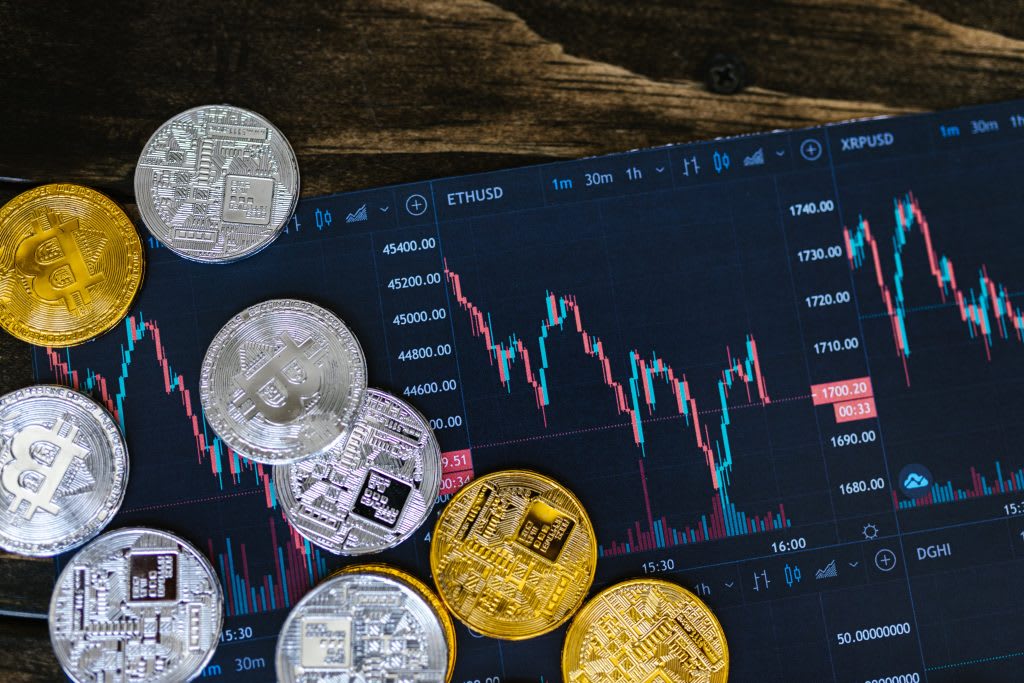
In recent years, crypto assets have become a dominant force in the global financial landscape. From Bitcoin's meteoric rise to the growing popularity of decentralized finance (DeFi), the world of crypto assets is evolving rapidly, providing both new opportunities and challenges for investors, developers, and regulators alike. But what exactly are crypto assets, and why should you care about them?
What Are Crypto Assets?
At their core, crypto assets are digital or virtual assets that use cryptographic techniques for security. They are built on blockchain technology, which ensures transparency, decentralization, and immutability. Unlike traditional assets like stocks, bonds, or real estate, crypto assets are entirely digital and operate in decentralized ecosystems without a central authority, such as a government or bank, overseeing their transactions.
There are different types of crypto assets, each serving a unique purpose within the digital economy:
1. Cryptocurrencies:
Cryptocurrencies, such as Bitcoin, Ethereum, and Litecoin, are the most well-known form of crypto assets. They are designed to serve as a store of value or a medium of exchange. Bitcoin, for instance, is often referred to as "digital gold" due to its fixed supply and use as a hedge against inflation.
2. Stablecoins:
Stablecoins are crypto assets designed to maintain a stable value by being pegged to an underlying asset, typically a fiat currency like the U.S. dollar. Examples include Tether (USDT) and USD Coin (USDC). These assets aim to combine the benefits of cryptocurrencies with the stability of traditional money.
3. Tokenized Assets:
Tokenized assets represent real-world assets, such as real estate, commodities, or even artwork, in a digital form. Through the use of Security Tokens and Non-Fungible Tokens (NFTs), these real-world assets can be divided into smaller, tradable parts, opening up new opportunities for fractional ownership.
4. Utility Tokens:
Utility tokens are used within specific blockchain ecosystems to facilitate operations and access services. They are commonly found in decentralized applications (dApps) and DeFi platforms. For example, Chainlink's LINK token powers the Chainlink decentralized oracle network.
Why Crypto Assets Matter
1. Decentralization and Control:
One of the main appeals of crypto assets is the ability to operate in a decentralized manner. Unlike traditional financial systems that rely on intermediaries such as banks or payment processors, crypto assets allow individuals to have direct control over their holdings. This decentralization minimizes reliance on a third party, making transactions more secure and transparent.
2. Global Accessibility:
Crypto assets enable financial inclusion by providing individuals in underserved or unbanked regions with access to financial services. All that is needed is an internet connection. This opens up a world of opportunities for people who may have previously been excluded from traditional banking systems.
3. Privacy and Security:
Many crypto assets use cryptographic methods to secure transactions, making them highly resistant to fraud and counterfeiting. Additionally, blockchain's transparency and immutability make it an appealing technology for ensuring the integrity of financial transactions.
4. Potential for High Returns:
Despite the volatility, crypto assets offer the potential for significant gains. The rise of Bitcoin and Ethereum, for example, has created substantial wealth for early adopters. Moreover, the rapid development of the DeFi space has led to new ways of earning returns on crypto holdings, such as through yield farming and staking.
The Challenges of Crypto Assets
While the promise of crypto assets is undeniable, they are not without their challenges:
1. Volatility:
One of the most significant drawbacks of crypto assets, particularly cryptocurrencies like Bitcoin and Ethereum, is their extreme price volatility. While this volatility can create opportunities for profit, it also introduces substantial risk, as prices can fluctuate wildly in short periods.
2. Regulatory Uncertainty:
As governments and regulators around the world begin to catch up with the growth of the crypto industry, the future regulatory landscape remains uncertain. For example, countries like China have imposed strict regulations on crypto, while others, like El Salvador, have adopted Bitcoin as legal tender. The evolving regulatory environment could significantly impact the value and accessibility of crypto assets.
3. Security Concerns:
While blockchain technology is generally considered secure, there have been instances of hacks and vulnerabilities, particularly within crypto exchanges and wallets. Investors must remain cautious about where and how they store their crypto assets to avoid losing their holdings to cyberattacks.
4. Environmental Impact:
Some crypto assets, particularly Bitcoin, have been criticized for their high energy consumption due to the mining process. The environmental impact of crypto mining has led to calls for more sustainable practices and the adoption of greener technologies.
The Future of Crypto Assets
The future of crypto assets is filled with potential but also uncertainty. As more institutions and individuals enter the space, the value and adoption of crypto assets are likely to continue growing. However, the full realization of their potential will depend on several factors:
- Regulation: Clear and favorable regulations will be key to ensuring the legitimacy and widespread adoption of crypto assets.
- Integration with Traditional Finance: As traditional financial institutions begin to adopt blockchain technology, the integration of crypto assets into the mainstream financial system will be crucial for their long-term success.
- Innovation: The continued development of blockchain technology, as well as new innovations like Layer 2 scaling solutions and the rise of Decentralized Finance (DeFi), will likely drive further growth and use cases for crypto assets.
Conclusion
Crypto assets have proven themselves to be a transformative force in the world of finance. From enabling decentralized digital currencies to tokenizing real-world assets, they are changing the way we think about value, ownership, and transactions. While they present exciting opportunities for wealth creation and financial freedom, they also come with significant risks that must be carefully managed. As the crypto space continues to evolve, staying informed about the latest trends, technologies, and regulations will be crucial for anyone looking to navigate this new age of digital wealth.
About the Creator
Keep reading
More stories from Craig Justin and writers in Trader and other communities.
Exploring Crypto and Decentralized Assets: A Glimpse into the Future of Finance
The rise of cryptocurrencies and decentralized assets marks a significant shift in the way we think about money, ownership, and the financial systems that underpin global economies. At its core, cryptocurrency challenges traditional systems by offering an alternative that is borderless, permissionless, and powered by technology. Yet, beyond the initial buzz, there's a deeper story to be told about what these decentralized assets mean for the future of finance.
By Craig Justin11 months ago in Trader
Silver Price Today: Silver Holds Near Record High as Traders Browse for U.S. PCE Data
Silver prices are holding firm near record highs as traders around the world wait for the release of the latest U.S. Personal Consumption Expenditures (PCE) data — one of the most important inflation indicators used by the Federal Reserve. The metal’s strong performance reflects growing uncertainty in global markets and rising demand for safe-haven assets.
By Sajida Sikandar7 days ago in Trader




Comments