
Critical Crypto Market Trends Defining the Future of Investing
Cryptocurrency has evolved from an experimental idea into a mainstream, global financial asset, shaping modern investment and financial systems
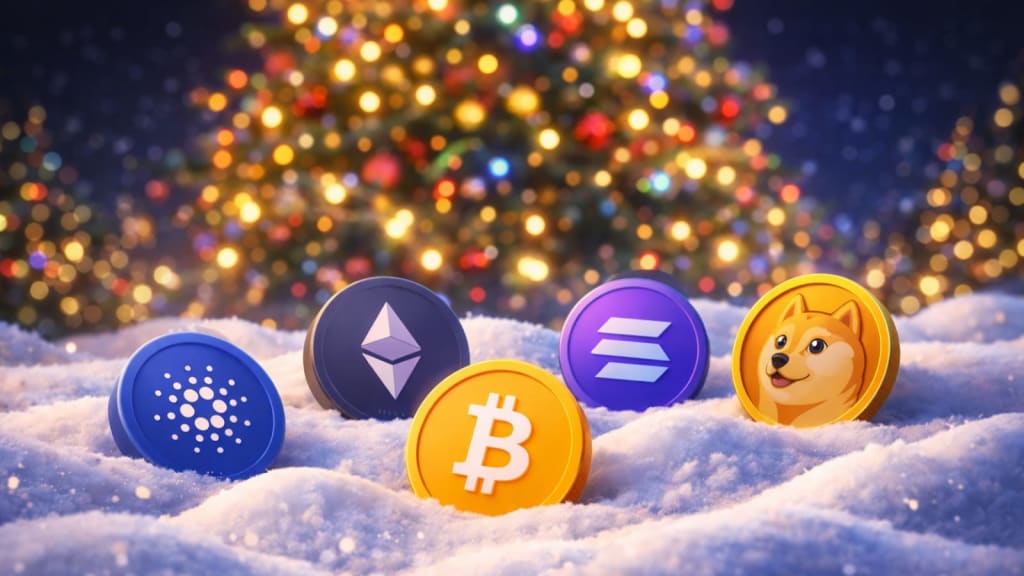
The cryptocurrency market has evolved far beyond its early experimental phase and is now a critical component of the global financial system. What began as a decentralized alternative to traditional finance has grown into a multi-trillion-dollar ecosystem influencing investment strategies, payment infrastructure, and technological innovation. With increasing participation from institutions, governments, technology firms, and retail investors, cryptocurrencies are now viewed as a legitimate asset class rather than a speculative niche.
As blockchain technology matures and real-world applications expand, understanding the major trends shaping the crypto market has become essential for informed investing. These trends are redefining how capital flows into digital assets and how investors assess long-term opportunities.
Rising Participation from Institutional Investors
Institutional adoption is one of the most defining trends in the crypto market today. Banks, hedge funds, asset managers, pension funds, and publicly traded companies are increasingly allocating capital to cryptocurrencies as part of diversified portfolios. This shift reflects growing confidence in digital assets as a store of value, portfolio hedge, and alternative investment.
Institutional involvement also strengthens market infrastructure by driving demand for regulated exchanges, professional custody solutions, and advanced trading tools. As institutions bring long-term capital into the market, crypto assets benefit from improved stability and liquidity.
Key effects of institutional participation include:
- Improved market liquidity and depth
- Reduced long-term price volatility
- Greater legitimacy and trust among investors
- Expansion of regulated crypto investment products
Growth of Decentralized Finance (DeFi) Ecosystems
Decentralized Finance (DeFi) is transforming traditional financial services by eliminating intermediaries such as banks and brokers. Built on blockchain networks, DeFi platforms use smart contracts to offer decentralized alternatives for lending, borrowing, trading, and asset management.
DeFi has significantly expanded access to financial tools, especially for users in regions with limited banking infrastructure. Continuous innovation is improving usability, security, and product diversity, making DeFi more attractive to both retail and institutional participants.
Major advantages driving DeFi growth include:
- Open and permissionless access to financial services
- Transparent, on-chain transactions via smart contracts
- Yield opportunities through staking and liquidity provision
- Global accessibility without centralized approval
Regulatory Developments and Market Confidence
Regulation plays a crucial role in shaping the future of crypto investing. Governments and regulators worldwide are working to establish clearer legal frameworks for digital assets. While regulatory approaches vary across regions, consistent and balanced policies help protect investors while encouraging responsible innovation.
Clear regulations reduce uncertainty, lower systemic risks, and make it easier for institutions and enterprises to participate in the crypto market. Jurisdictions that adopt crypto-friendly regulatory environments are increasingly attracting capital, startups, and blockchain innovation.
Benefits of regulatory clarity include:
- Increased investor protection
- Reduced market manipulation and fraud
- Higher institutional participation
- Greater long-term market stability
Solana’s Long-Term Impact on the Cryptocurrency Market
Solana has emerged as one of the most prominent blockchain networks due to its high-speed performance, low transaction costs, and growing ecosystem of decentralized applications. Designed to support large-scale adoption, Solana continues to attract developers, institutions, and enterprises seeking scalable blockchain solutions. As demand for efficient smart contract platforms increases, Solana’s expanding DeFi, NFT, and Web3 use cases strengthen its long-term market relevance. In many market analyses, the price of Solana is closely linked to network activity, developer adoption, and overall sentiment within the broader crypto market.
While short-term market fluctuations remain a factor, the long-term outlook for Solana is often viewed positively due to its strong technical foundation and continuous ecosystem growth. Increased institutional interest, ongoing network upgrades, and real-world integrations may support sustained demand, with the price of Solana reflecting its ability to maintain scalability, reliability, and competitive positioning within the evolving blockchain landscape.
Technology Advancements Fueling Mainstream Adoption
Technological innovation continues to drive the evolution of the crypto market. Blockchain networks are becoming faster, more scalable, and more secure through ongoing upgrades and development efforts. These improvements are essential for supporting mass adoption and real-world use cases.
Key technological trends include:
- Layer-2 scaling solutions to reduce fees and congestion
- Cross-chain interoperability enabling blockchain connectivity
- Enhanced cybersecurity and wallet infrastructure
- Improved user experience for retail and enterprise adoption
As these technologies mature, cryptocurrencies become more accessible to developers, businesses, and everyday users.
Final Thoughts
The future of the cryptocurrency market will be defined by institutional adoption, DeFi expansion, regulatory clarity, and continuous technological progress. These forces are reshaping how digital assets are created, traded, and integrated into the global economy. Investors who stay informed about these trends are better positioned to manage market volatility, reduce risk exposure, and identify long-term opportunities within the rapidly evolving digital asset ecosystem.
About the Creator
Keep reading
More stories from Ahmad Hassan and writers in Trader and other communities.
Understanding Cryptocurrency Price Trends and Market Expectations
The cryptocurrency market in 2026 continues to evolve rapidly, shaped by technological innovation, broader adoption, regulatory clarity, and institutional participation. While the ecosystem has matured significantly, interest in price forecasting remains strong. Investors consistently search for insights that can help them understand potential future movements, even though the crypto market is inherently volatile and unpredictable. Price discussions are less about certainty and more about forming informed expectations.
By Ahmad Hassan26 days ago in Trader
Philippines Ice Maker Market 2026: Hospitality Expansion, Beverage Demand & Commercial Refrigeration Innovation
Philippines Ice Maker Market Overview The Philippines ice maker market is an important segment of the country’s commercial refrigeration and foodservice equipment industry. Ice makers are widely used in restaurants, cafés, hotels, bars, healthcare facilities and retail outlets to produce ice for beverages, food preservation and medical applications. With the expansion of the hospitality sector and rising demand for cold beverages, ice-making machines have become essential equipment for businesses across the Philippines.
By Manisha Dixit4 days ago in Trader



Comments
There are no comments for this story
Be the first to respond and start the conversation.