
Comprehensive guide to mastering volatility index (VIX) 7
Chapter 7 : choosing the right broker and platform

7.1 Researching and Selecting a Reliable Broker
Choosing the right broker is a crucial decision for traders looking to trade the Volatility Index (VIX) or any other financial instrument. A reliable and reputable broker can provide the necessary tools, support, and security to facilitate a smooth trading experience. Here are some key factors to consider when researching and selecting a broker for trading the Volatility Index:
Regulation and Licensing: It is essential to ensure that the broker is regulated by a reputable financial authority. Regulatory bodies impose strict guidelines and standards on brokers to protect investors' interests and ensure fair and transparent trading practices. Check if the broker is registered with regulatory bodies such as the Securities and Exchange Commission (SEC) in the United States or the Financial Conduct Authority (FCA) in the United Kingdom.
Reputation and Track Record: Look for brokers with a solid reputation and a proven track record in the industry. Consider their experience, longevity, and client reviews. A broker with a positive reputation is more likely to provide reliable services and customer support.
Trading Costs and Fees: Evaluate the trading costs and fees charged by the broker. These may include spreads, commissions, overnight financing charges, and withdrawal fees. Compare the fee structures of different brokers to ensure that they align with your trading strategy and budget.
Trading Platforms: Assess the trading platforms offered by the broker. A user-friendly and technologically advanced trading platform can greatly enhance your trading experience. Look for platforms that offer real-time data, charting tools, order execution capabilities, and customizable features.
Customer Support: Reliable customer support is crucial, especially when trading the Volatility Index. Ensure that the broker offers responsive and knowledgeable customer support via multiple channels, such as phone, email, and live chat. Test their support system by reaching out with any queries or concerns before opening an account.
Account Types and Minimum Deposit: Consider the different account types offered by the broker and their minimum deposit requirements. Some brokers may offer various account tiers with different features and benefits, while others may have a single account type. Choose an account that suits your trading needs and budget.
7.2 Evaluating Trading Platforms for Volatility Index
The trading platform is the interface through which traders access the financial markets, place trades, and monitor their positions. When trading the Volatility Index, it is essential to evaluate trading platforms that offer the necessary tools and features. Here are some factors to consider when evaluating trading platforms for the Volatility Index:
User-Friendly Interface: A trading platform should have an intuitive and user-friendly interface that allows traders to navigate easily and execute trades efficiently. Look for platforms with a clean design, customizable layouts, and clear access to essential trading functions.
Real-Time Data and Market Analysis: The Volatility Index is highly time-sensitive, and real-time data is crucial for making informed trading decisions. Ensure that the trading platform provides access to live market data, including real-time quotes, charts, and news feeds. Additionally, look for platforms that offer comprehensive market analysis tools, including technical indicators and drawing tools.
Order Execution and Trade Management: Efficient order execution is vital when trading the Volatility Index. The trading platform should allow for instant order execution and provide various order types, such as market orders, limit orders, and stop orders. Additionally, ensure that the platform offers advanced trade management features, including the ability to set stop-loss and take-profit levels.
Mobile Trading: In today's fast-paced environment, the ability to trade on the go is essential. Evaluate whether the trading platform offers a mobile application that is compatible with your device (iOS or Android). Mobile trading platforms should provide the same functionality as the desktop version, allowing you to monitor positions, place trades, and access real-time data on the move.
Risk Management Tools: Volatility trading is inherently risky, and risk management is crucial for successful trading. Evaluate whether the trading platform offers risk management tools, such as the ability to set stop-loss orders, take-profit orders, and trailing stops. Additionally, some platforms offer risk management tools such as margin alerts and account monitoring features to help you manage your risk.
7.3 Key Features and Tools to Look for
When selecting a broker and trading platform for trading the Volatility Index, there are several key features and tools to look for. These can help you make informed trading decisions and manage your risk effectively. Here are some essential features and tools to consider:
Real-Time Data: Real-time data is crucial for trading the Volatility Index, as it is a highly time-sensitive instrument. Ensure that the trading platform provides access to real-time market data, including quotes, charts, and news feeds.
Technical Indicators and Charting Tools: Technical indicators and charting tools can help you analyze market trends and make informed trading decisions. Look for platforms that offer a comprehensive range of technical indicators and drawing tools, including trend lines, moving averages, and oscillators.
Order Types: Different order types allow you to execute trades more efficiently and manage your risk effectively. Look for platforms that offer various order types, including market orders, limit orders, stop orders, and trailing stops.
Risk Management Tools: Risk management is crucial when trading the Volatility Index. Look for platforms that offer risk management tools, including stop-loss orders, take-profit orders, and margin alerts.
Education and Training: Learning to trade the Volatility Index can be challenging, especially for beginners. Look for brokers that offer educational resources, including trading guides, webinars, and online courses, to help you develop your trading skills and knowledge.
Customer Support: Reliable customer support is crucial, especially when trading the Volatility Index. Look for brokers that offer responsive and knowledgeable customer support via multiple channels, such as phone, email, and live chat.
Conclusion
Choosing the right broker and trading platform is essential for successful trading of the Volatility Index. When selecting a broker, consider factors such as regulation, reputation, trading costs, and customer support. When evaluating trading platforms, assess features such as user-friendliness, real-time data, order execution, and risk management tools. By considering these factors, you can select a broker and platform that meets your trading needs and helps you achieve your trading goals.
About the Creator
Sakariyau Olatundun Ganiyat
i am a stay at home mom who loves writing and reading, I will let my fingers do the rest.enjoy. You can contact me via my email: [email protected]
Keep reading
More stories from Sakariyau Olatundun Ganiyat and writers in Trader and other communities.
Comprehensive guide to mastering volatility index (VIX)6
Trading the Volatility Index (VIX) can be an exciting and potentially profitable endeavor. However, it is essential to approach it with a well-thought-out plan and proper risk management strategies. In this chapter, we will explore the best techniques to start trading the Volatility Index effectively.
By Sakariyau Olatundun Ganiyat3 years ago in Trader
Australia Wealth Management Market Set for Strong Expansion as Digital Platforms and HNWI Demand Surge
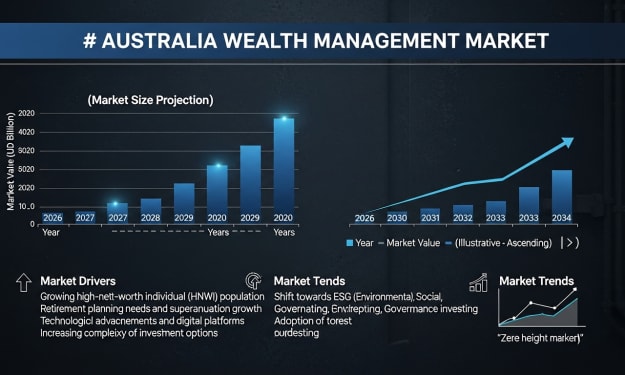
The Australia wealth management market is experiencing robust growth as affluent individuals, corporates, and savers increasingly seek expert financial planning, personalized investment strategies, and digital advisory solutions. According to IMARC Group, the market was valued at USD 110.3 Million in 2024 and is expected to reach USD 213.2 Million by 2033, registering a compound annual growth rate (CAGR) of 7.60% between 2025 and 2033.
By Rashi Sharma6 days ago in Trader


Comments
There are no comments for this story
Be the first to respond and start the conversation.