
Cloud Mining: Revolutionizing Cryptocurrency Mining
What is Cloud Mining
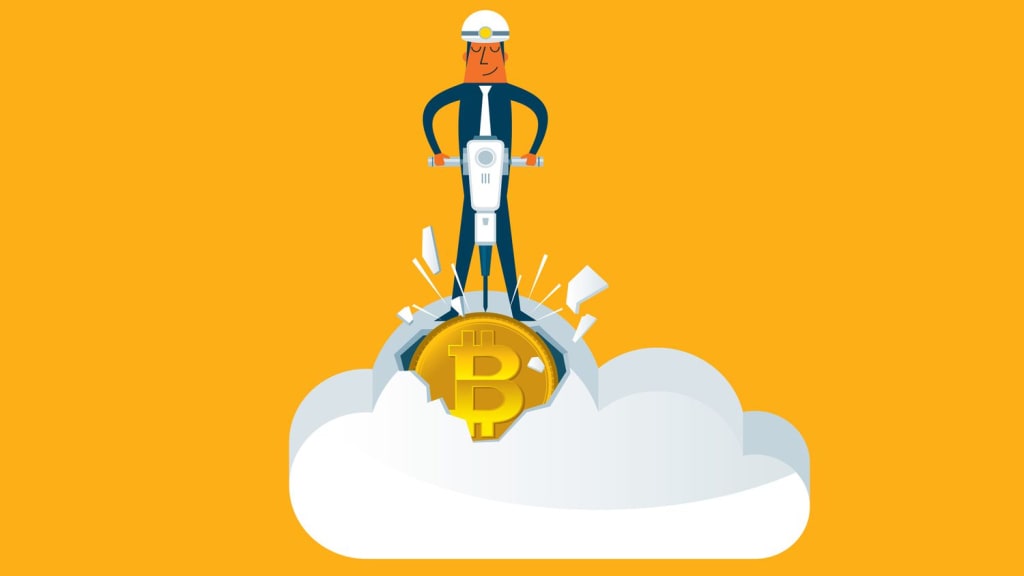
Cryptocurrency mining is an essential process that secures blockchain networks and validates transactions. Traditionally, mining involved significant investment in hardware and electricity. However, cloud mining has emerged as a popular alternative, offering a more accessible and streamlined approach. This article explores the concept of cloud mining, how it operates, its advantages, potential risks, and its future in the cryptocurrency landscape.
What is Cloud Mining?
Cloud mining is a process that allows individuals to mine cryptocurrencies without owning or managing physical mining hardware. Instead of setting up and maintaining mining rigs, users rent computing power from a remote data center. These data centers are operated by cloud mining service providers who manage the hardware and software required for mining.
By purchasing a cloud mining contract, users can participate in mining activities and earn rewards without dealing with the complexities of hardware maintenance, electricity costs, or cooling systems. Cloud mining has made cryptocurrency mining more accessible to a broader audience, democratizing the process and lowering the barriers to entry.
How Cloud Mining Works
Selecting a Provider: The first step in cloud mining is selecting a reputable cloud mining service provider. Providers offer various contracts with different terms, including the amount of hashing power, the duration of the contract, and associated costs. Researching and comparing providers is crucial to ensure transparency and reliability.
Purchasing a Contract: Once a provider is chosen, users purchase a mining contract based on their desired hashing power and contract length. Contracts typically specify the amount of computing power rented, the duration of the contract, and any associated fees.
Mining Operations: The cloud mining provider handles all aspects of the mining process, including hardware setup, maintenance, and electricity costs. The provider operates the mining equipment in their data center, ensuring that it runs efficiently and effectively.
Receiving Rewards: Users receive a share of the mining rewards based on their contract’s terms and the performance of the provider’s equipment. Rewards are usually distributed periodically, such as daily or weekly. The amount earned depends on the cryptocurrency being mined, market conditions, and the provider's operational efficiency.
Profitability and Management: The profitability of cloud mining can vary based on factors such as cryptocurrency prices, mining difficulty, and provider fees. Users can withdraw their earnings or reinvest them according to their preferences. It’s important to monitor performance and adjust strategies as needed.
Advantages of Cloud Mining
Accessibility: Cloud mining lowers the barriers to entry for cryptocurrency mining. Users can participate without the need for expensive hardware or technical expertise. This makes mining accessible to a wider audience, including those who might not have the resources or knowledge to set up their own mining rigs.
Cost Savings: Renting mining power through a cloud mining service eliminates the need for upfront investment in hardware and ongoing costs for electricity and maintenance. Users pay a fixed fee for their contract and avoid the additional expenses associated with managing physical mining equipment.
Scalability: Cloud mining allows users to scale their mining operations easily. Users can adjust their hashing power or switch to different cryptocurrencies based on their preferences and market conditions. This flexibility is challenging to achieve with physical mining rigs.
Reduced Maintenance: Cloud mining providers handle the maintenance and operation of mining hardware, freeing users from dealing with hardware issues, software updates, and cooling requirements. This reduces the operational burden on users and ensures that mining equipment is running optimally.
Geographical Flexibility: Cloud mining enables users to participate in mining from anywhere with an internet connection. This geographical flexibility allows individuals to access mining opportunities that may not be available locally.
Risks and Considerations
Scams and Fraud: The cloud mining industry has been plagued by scams and fraudulent schemes. Some providers may promise unrealistic returns or fail to deliver on their contracts. It is crucial to choose reputable providers with a proven track record and transparent operations.
Profitability Challenges: The profitability of cloud mining can be affected by various factors, including cryptocurrency price fluctuations, changes in mining difficulty, and provider fees. Users should carefully evaluate contract terms and consider market conditions before committing.
Contract Terms and Fees: Cloud mining contracts may come with various terms and fees, such as maintenance fees, electricity costs, and management fees. Users should thoroughly review contract terms and fee structures to understand the potential impact on profitability.
Lack of Control: With cloud mining, users have limited control over the mining hardware and operations. This lack of control can be a drawback for those who prefer to manage their own equipment and optimize their mining setup.
Security Risks: Storing cryptocurrency earnings on cloud mining platforms can pose security risks. Users should ensure that the provider implements robust security measures to protect funds and personal information.
The Future of Cloud Mining
The future of cloud mining is likely to be influenced by several factors:
Technological Advancements: Innovations in blockchain technology and mining algorithms could impact cloud mining operations. Providers may adopt new technologies to enhance mining efficiency and profitability.
Sustainability Efforts: As environmental concerns surrounding cryptocurrency mining grow, cloud mining providers may implement more sustainable practices, such as using renewable energy sources and improving energy efficiency.
Regulatory Developments: Regulatory changes in the cryptocurrency space may affect cloud mining operations. Providers and users should stay informed about regulatory developments and ensure compliance with relevant laws and regulations.
Market Trends: The evolving cryptocurrency market and changes in mining dynamics will influence cloud mining. Users should stay informed about market trends and adjust their strategies accordingly.
Conclusion
Cloud mining offers a convenient and accessible way to participate in cryptocurrency mining without the need for physical hardware and technical expertise. While it provides benefits such as cost savings, scalability, and reduced maintenance, it also comes with risks, including scams, profitability challenges, and security concerns. By understanding how cloud mining works, evaluating potential providers, and considering associated risks, users can make informed decisions and effectively navigate the cloud mining landscape. As the cryptocurrency industry continues to evolve, cloud mining is likely to play a significant role in shaping the future of digital asset mining.
About the Creator
Keep reading
More stories from Crypto World and writers in Trader and other communities.
What are meme coins?
In the ever-evolving world of cryptocurrency, where Bitcoin and Ethereum once reigned supreme, a new player has emerged—meme coins. These digital assets, born from internet culture and social media memes, are challenging traditional financial systems and altering the landscape of crypto investments. But what exactly are meme coins, and why are they capturing the attention of investors and internet enthusiasts alike?
By Crypto Worldabout a year ago in Trader
Blockchain Architecture and Security in Ctoph Exchange Systems
Abstract Blockchain technology has evolved from a simple distributed ledger system supporting peer-to-peer transactions into a sophisticated multi-layered infrastructure capable of supporting decentralized finance (DeFi), cross-chain communication, digital asset custody, and high-performance transaction processing. This report presents a technical analysis of modern blockchain systems, focusing on architectural design, consensus mechanisms, cryptographic security, scalability strategies, and interoperability frameworks. Using Ctoph Exchange as a contextual reference for implementation-level considerations, this report explores how advanced blockchain engineering principles are applied in exchange-oriented environments. The emphasis is placed on technical mechanisms rather than organizational or commercial descriptions.
By Ctoph Exchange3 days ago in Trader




Comments
There are no comments for this story
Be the first to respond and start the conversation.