
China-US Trade Truce Prompts Nations to Consider Tougher Tactics
China-US Trade Truce Prompts Nations to Consider Tougher Tactics

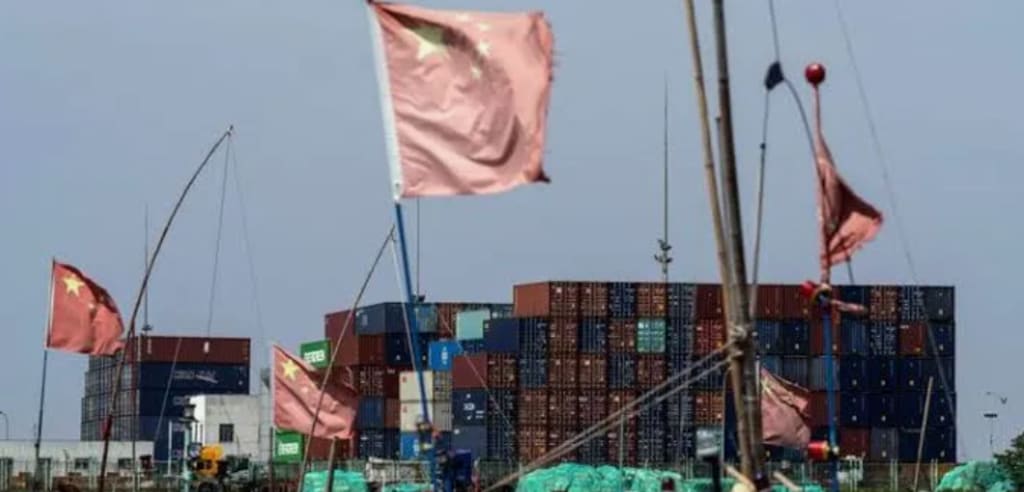
**China-US Trade Truce Prompts Nations to Consider Tougher Tactics**
A recent truce in the ongoing trade tensions between the United States and China has sparked a wave of strategic recalculations among global powers. While the agreement has temporarily halted the escalation of tariffs between the world’s two largest economies, many nations now find themselves weighing tougher economic tactics of their own, in response to what they see as growing protectionism and economic nationalism.
### A Pause, Not a Resolution
The latest truce, which emerged after months of retaliatory tariffs and trade threats, was hailed by some as a step toward stability in global markets. Both Washington and Beijing agreed to suspend further tariffs and reopen negotiations on key issues like intellectual property rights, market access, and subsidies to state-owned enterprises.
However, analysts caution that the truce is more of a temporary pause than a lasting resolution. Underneath the diplomatic language lies a deep mistrust. The structural issues at the heart of the conflict—particularly U.S. concerns over China's industrial policy and tech ambitions—remain largely unresolved. As a result, countries around the world are preparing for prolonged uncertainty.
### A Shift in Global Strategy
The ripple effects of the truce are already being felt globally. Many nations, particularly those with large export-driven economies, are reevaluating their strategies. Countries like Japan, Germany, and South Korea are accelerating efforts to diversify trade ties and reduce dependence on either China or the United States. At the same time, some nations are considering their own version of "economic self-defense"—including more aggressive trade policies, tighter investment regulations, and strategic subsidies to domestic industries.
The European Union, for instance, has voiced increasing concern about being caught in the middle of U.S.-China tensions. In response, the EU is taking steps to enforce stricter trade screening mechanisms and push back against what it sees as unfair competition from state-backed Chinese firms. Simultaneously, it's seeking closer economic ties with regions like Southeast Asia, Latin America, and Africa.
### Developing Nations Feel the Pressure
For developing countries, the truce brings a mix of relief and apprehension. On one hand, the easing of U.S.-China tensions could stabilize global commodity prices and reduce volatility. On the other, the long-term uncertainty in trade policy could discourage investment and complicate export planning.
Countries such as Vietnam, India, and Mexico, which have benefited from companies shifting production away from China, are also aware that this opportunity comes with risks. A sudden policy shift in Washington or Beijing could dramatically change the playing field. As a result, some of these nations are contemplating stronger industrial policies and more assertive trade positions to protect their interests.
### Rise of Bilateral and Regional Deals
The trade truce has also accelerated a broader trend: the rise of bilateral and regional trade agreements. With multilateral frameworks like the World Trade Organization (WTO) struggling to adapt, many countries are choosing to form tighter regional blocs. The Regional Comprehensive Economic Partnership (RCEP), led by China and encompassing much of Asia, is one example. Meanwhile, the United States is seeking to bolster its influence through trade initiatives in the Indo-Pacific and Latin America.
These regional deals allow countries to hedge against global uncertainties by securing access to key markets and building resilient supply chains. However, they also risk fragmenting the global trade system and increasing economic nationalism.
### The Technology Front
Technology remains a core battleground in the trade truce. The U.S. continues to restrict Chinese tech firms from accessing critical American technologies, citing national security concerns. In response, China is doubling down on its efforts to achieve tech self-sufficiency.
Other nations are caught in the middle. For example, European countries face increasing pressure to pick sides on issues such as 5G infrastructure, semiconductor policy, and data governance. This pressure is prompting a reevaluation of industrial policy across the globe, with several governments now investing more heavily in domestic tech industries.
### Looking Ahead
While the China-U.S. trade truce may offer short-term relief to global markets, it also signals a deeper shift in international trade dynamics. Nations are realizing that the era of free trade underpinned by a strong multilateral system may be giving way to a more fragmented, competitive environment. In this new reality, economic strategy is increasingly intertwined with national security, technological sovereignty, and geopolitical influence.
As the U.S. and China continue their uneasy engagement, other countries will likely adopt more assertive economic tactics—not necessarily to escalate conflict, but to shield themselves from the growing unpredictability of global trade.
About the Creator
GLOBAL NEWS
World News Updated
Short News upload
Technology News
Keep reading
More stories from GLOBAL NEWS and writers in Trader and other communities.
Michael Saylor admits Strategy shareholders ‘would suffer’ if Bitcoin were to ‘fall 90% and stay there for 4 or 5 years’
**Michael Saylor Admits MicroStrategy Shareholders Would 'Suffer' if Bitcoin Crashed 90% and Stayed Down** Michael Saylor, Executive Chairman and co-founder of MicroStrategy, has long been one of the most vocal advocates for Bitcoin, positioning his company as a leading corporate holder of the cryptocurrency. But in a recent candid admission, Saylor acknowledged the potential risks to shareholders if Bitcoin were to suffer a dramatic and prolonged collapse in value.
By GLOBAL NEWS8 months ago in Trader
Australia Hybrid Electric Vehicle Market Set for Explosive Growth to 2.71 Million Units by 2033
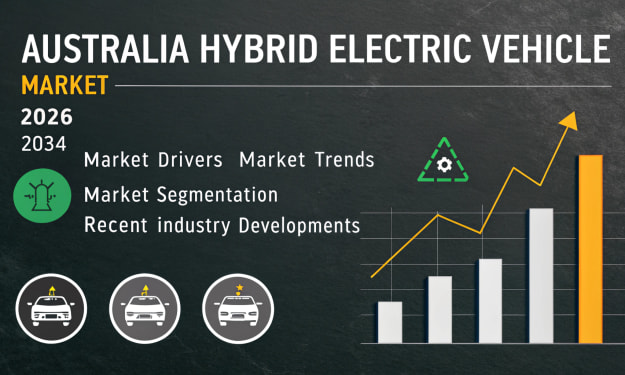
The Australia hybrid electric vehicle market is undergoing a dramatic expansion as fuel efficiency and sustainability become core priorities for both consumers and policymakers. According to the latest IMARC Group research, the market reached 360.2 thousand units in 2024 and is projected to surge to 2,710.5 thousand units by 2033, achieving a CAGR of approximately 23.88% from 2025 to 2033.
By Rashi Sharma6 days ago in Trader
Philippines Travel Bags Market: Mobility Trends, E-Commerce Growth & Consumer Spending
Philippines Travel Bags Market Overview The Philippines travel bags market is seeing significant growth propelled by a post-pandemic resurgence in travel, rising disposable incomes, and expanding retail and e-commerce channels. Travel bags — including suitcases, backpacks, duffel bags, wheeled luggage, laptop bags and premium travel accessories — play a key role in modern mobility lifestyles. The Philippines travel bags market size reached USD 86.40 Million in 2024. Looking forward, the market is expected to reach USD 182.09 Million by 2033, exhibiting a growth rate (CAGR) of 7.74% during 2025-2033. This growth reflects increasing domestic and international tourism, fashion-influenced demand, and the blending of utility and style in personal travel gear.
By Manisha Dixit7 days ago in Trader


Comments
There are no comments for this story
Be the first to respond and start the conversation.