
🚨 BREAKING: Texas Approves Bitcoin Reserve Bill! 🇺🇸
texas approves

🚨 BREAKING: Texas Approves Bitcoin Reserve Bill! 🇺🇸
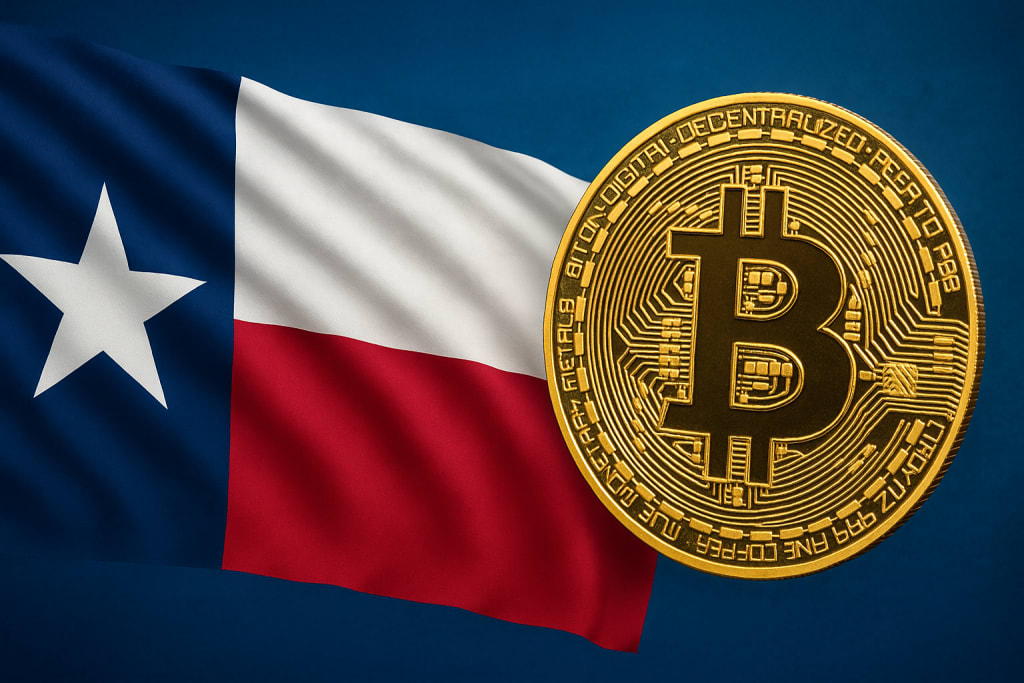
In a historic development that could reshape the financial future of U.S. states, Texas has just passed the Strategic Bitcoin Reserve Bill (SB 21) in its second reading. The bill cleared the Texas House with overwhelming support, garnering a 105–23 vote, bringing it just one vote away from becoming law.
If officially enacted, Texas would become the first U.S. state to hold Bitcoin as a strategic reserve asset, making a bold statement about the role of cryptocurrency in the future of finance. This is more than a political move—it's a major ideological shift toward Bitcoin adoption at a government level.
What Is the Strategic Bitcoin Reserve Bill (SB 21)?
The Strategic Bitcoin Reserve Bill (SB 21) proposes that Texas allocate a portion of its treasury reserves to Bitcoin, treating it similarly to how governments manage gold, foreign currencies, or bonds. The objective is clear: to diversify reserve assets, protect purchasing power, and prepare for a financial system that is increasingly influenced by digital assets.
While several municipalities around the world have explored using Bitcoin for payments or investment, Texas is taking things further by potentially embedding Bitcoin into the financial fabric of its government.
Why This Matters
This move is monumental for several reasons:
1. Legitimization of Bitcoin at the State Level
State governments are typically cautious and risk-averse with treasury management. The fact that Texas is entertaining the idea—let alone nearly enacting it—represents a major leap in legitimacy for Bitcoin as a reserve asset. It signals that Bitcoin is no longer being viewed solely as a volatile speculation tool, but rather as a viable hedge against inflation and fiat currency risk.
2. Strengthening the Case for Bitcoin as “Digital Gold”
Bitcoin’s fixed supply of 21 million coins has long earned it the moniker of “digital gold.” Texas holding BTC in its treasury reinforces this idea and could pave the way for other states to follow suit. If gold reserves make sense, why not Bitcoin?
3. A New Frontier for Financial Sovereignty
By holding Bitcoin, Texas could hedge against federal monetary policy and inflation driven by the U.S. dollar. It’s a bold move that could serve as an experiment in financial sovereignty—one that other states, or even nations, may closely observe.
Texas: A Crypto-Friendly Powerhouse
Texas is no stranger to Bitcoin. Over the past few years, the Lone Star State has emerged as a global hub for Bitcoin mining, thanks to its vast land, deregulated energy market, and favorable legislation.
Major mining firms have relocated to Texas, and the state has embraced blockchain innovation with open arms. Now, with SB 21, it’s making it clear that it's not just mining Bitcoin—it’s HODLing it too.
Governor Greg Abbott has previously voiced his support for cryptocurrency, and this bill aligns with Texas’ broader goal of becoming America’s leading pro-Bitcoin state.
Economic and Political Implications
If the bill becomes law, the economic and political ripple effects will be significant:
✅ Setting a Precedent for Other States
States like Wyoming and Florida have already flirted with pro-crypto policies. But Texas actually holding Bitcoin could kick off a domino effect, prompting other states to consider similar legislation to remain competitive and protect their reserves.
🏛️ Bringing Bitcoin into Mainstream Politics
Until now, Bitcoin has largely existed outside the bounds of formal politics. Texas embracing it as a reserve asset elevates Bitcoin into mainstream governance, potentially influencing the 2024 election cycle as Bitcoin policy becomes a talking point for lawmakers.
📉 Impact on the Dollar?
While a single state holding Bitcoin won’t directly threaten the dollar’s dominance, it raises questions about the long-term stability of fiat reserves and how states can future-proof their finances.
Critics and Concerns
Not everyone is cheering. Critics argue that Bitcoin’s volatility makes it an irresponsible choice for state reserves. They cite potential taxpayer risk and question the long-term viability of digital assets in an environment of regulatory uncertainty.
However, proponents counter that Bitcoin has outperformed virtually every asset class over the last decade and that a modest allocation (even 1-5%) would not jeopardize but diversify the state's financial foundation.
As Bitcoin continues to mature and regulatory clarity improves, many see these concerns as part of a broader learning curve—one that Texas appears willing to lead.
What's Next?
The bill is just one vote away from becoming law. If passed, Texas will:
Establish a framework for purchasing and securely storing Bitcoin
Regularly disclose the size and value of its Bitcoin holdings
Join a short but growing list of government entities that directly own Bitcoin
All eyes will be on the final vote. If successful, Texas won’t just be making financial history—it will be pioneering a new standard for how governments interact with digital assets.
Conclusion: A Turning Point for U.S. Bitcoin Adoption
Texas isn’t waiting for Washington. It's taking the initiative to define its own future in the digital economy. By approving the Strategic Bitcoin Reserve Bill, Texas is signaling that Bitcoin is not just a passing trend—it’s a foundational pillar of financial strategy.
The message is clear: Texas doesn’t just believe in Bitcoin’s future—it’s investing in it.
About the Creator
Abrar Hossen
EXPERT IN CRYPTO MARKET ANALYSIS
Keep reading
More stories from Abrar Hossen and writers in Trader and other communities.
Bitcoin Flipping the Narrative Again! 📰
Bitcoin Flipping the Narrative Again! 📰 In a bold turn of events that has financial circles buzzing, Fidelity’s Jurrien Timmer recently made a headline-worthy statement: Bitcoin may be replacing gold—again. With Bitcoin breaking past the historic $100,000 mark, Timmer now suggests a 4:1 gold to Bitcoin allocation, signaling a major philosophical shift in traditional finance's perception of digital assets.
By Abrar Hossen8 months ago in Trader
Silica Sand Market Outlook: Demand Drivers and Industry Trends
Overview — Silica Sand Market The silica sand market is a foundational segment of the global minerals and materials industry, driven by its essential role in construction, glass manufacturing, foundry casting, hydraulic fracturing (frac sand), water filtration, and emerging high-tech applications. Silica sand — composed predominantly of silicon dioxide (SiO₂) — is prized for its mechanical strength, thermal resistance, and chemical purity, making it indispensable for infrastructure development and industrial growth worldwide. Rising urbanization, expanding renewable energy infrastructure, and technological advances in processing are shaping a diverse and resilient market landscape.
By James Smith4 days ago in Trader
The $7.4 Million Wire The Big Banks Hoped You'd Ignore
For twenty years the corporate media has fed us a fairy tale and hoped we wouldn't notice. Said Jeffrey Epstein was a "lone wolf" pervert who somehow tricked the world’s smartest bankers. They want you to believe compliance departments at JPMorgan and Deutsche Bank were just asleep at the wheel.
By Radical Left Scum5 days ago in Trader
Rage
Content Warning: Domestic Violence, Assault Rage D. A. Ratliff “Who did this?” My voice echoed through the house. All I wanted was a cup of tea, but one of the twins, running through the house like maniacs, knocked it over. My nerves tingled, and every muscle in my body felt coiled like a spring. Survival seemed out of reach.
By D. A. Ratliff7 days ago in Fiction



Comments
There are no comments for this story
Be the first to respond and start the conversation.