
Benefits of E-commerce in 2023
Benefits of e-commerce in 2023
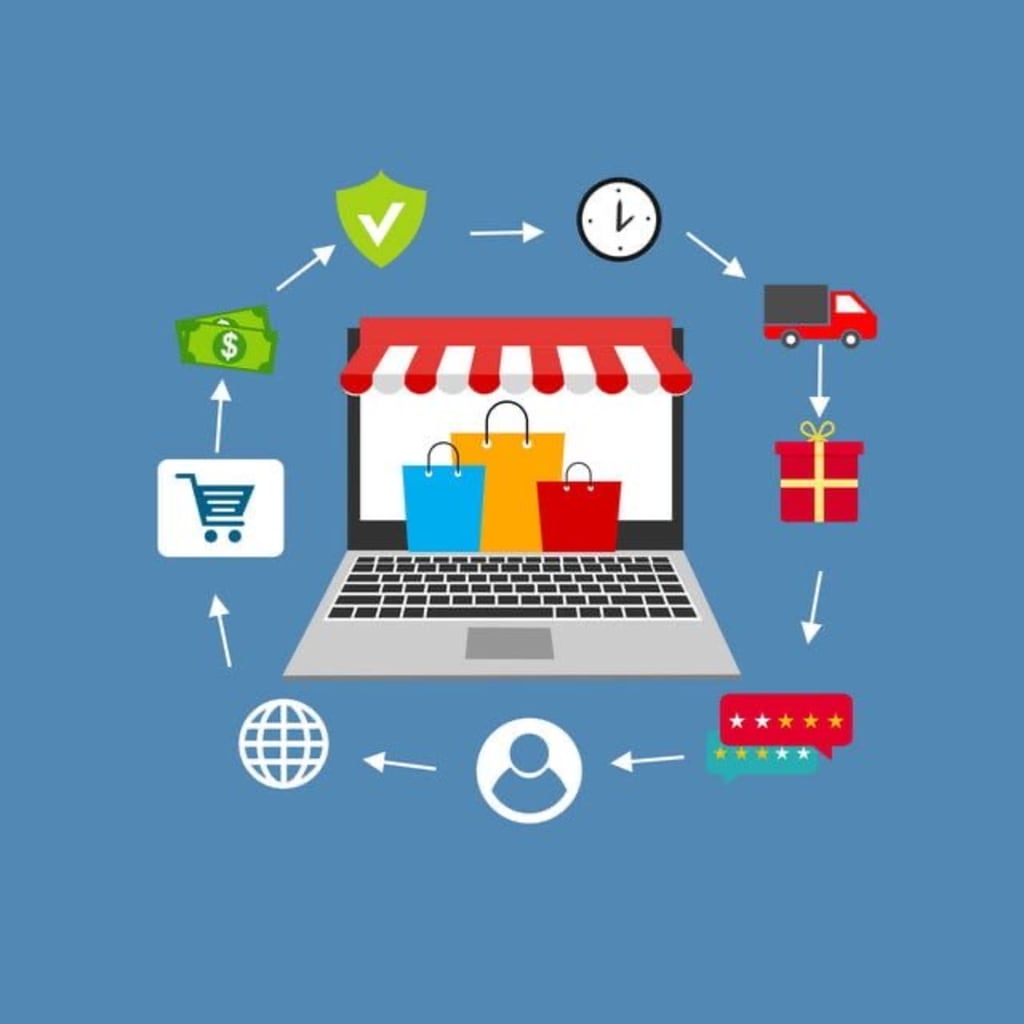
The Benefits of E-Commerce in 2023: Revolutionizing the Way We Shop
Introduction:
In the ever-evolving digital landscape, e-commerce has emerged as a transformative force, reshaping the way businesses operate and consumers shop. As we delve into 2023, the benefits of e-commerce continue to expand, offering unparalleled convenience, global reach, and cost savings. This article explores in-depth the key advantages that e-commerce brings to businesses, consumers, and the overall economy.
1. Global Reach:
One of the most significant advantages of e-commerce in 2023 is its ability to transcend geographical boundaries. Traditional retail models are often limited by physical store locations, making it challenging to reach customers outside of a specific area. E-commerce eliminates these barriers, enabling businesses to establish a global presence. By leveraging online platforms, companies can sell their products or services to customers worldwide, tapping into new markets and expanding their customer base exponentially.
2. Convenience:
The convenience of e-commerce remains a driving force behind its growing popularity. In 2023, consumers value the ability to shop anytime, anywhere, using their computers, smartphones, or other internet-enabled devices. With a few clicks, customers can explore a vast array of products, compare prices, and make purchases without leaving the comfort of their homes. This 24/7 availability and flexibility of online shopping save valuable time and effort, making it an appealing option for consumers with busy schedules or limited mobility.
3. Personalized Shopping Experience:
E-commerce platforms in 2023 leverage advanced technologies, data analytics, and customer profiling to deliver personalized shopping experiences. By analyzing customer behavior, preferences, and purchase history, businesses can offer tailored recommendations, targeted promotions, and customized offers. This personalization enhances customer satisfaction and loyalty, as shoppers feel understood and valued by the brands they engage with. Furthermore, personalized experiences foster a deeper connection between businesses and consumers, increasing the likelihood of repeat purchases and positive word-of-mouth referrals.
4. Cost Savings:
Operating an e-commerce business often entails lower overhead costs compared to traditional brick-and-mortar establishments. E-commerce eliminates expenses such as rent, utilities, and staffing for physical stores, allowing businesses to allocate resources more efficiently. These cost savings can be passed on to consumers in the form of competitive pricing, attractive discounts, or free shipping offers, enhancing the value proposition for online shoppers. Additionally, e-commerce empowers small and medium-sized enterprises (SMEs) to compete on a level playing field with larger corporations, as they can establish an online presence without the need for extensive physical infrastructure.
5. Increased Product Variety:
E-commerce platforms excel in offering a vast range of products and services, surpassing the limitations of physical shelf space. In 2023, consumers can access a diverse selection of items across various categories, from electronics and fashion to groceries and specialized niche products. Businesses can showcase their entire inventory online, providing customers with unparalleled choice and convenience. The ability to offer an extensive product variety not only enhances customer satisfaction but also expands revenue streams for businesses, catering to niche markets and catering to diverse consumer preferences.
6. Streamlined Inventory Management:
E-commerce platforms integrate seamlessly with inventory management systems, optimizing supply chain operations and streamlining inventory management. Real-time inventory tracking ensures that businesses can maintain optimal stock levels, minimizing the risk of overstocking or running out of products. This efficiency translates into improved order fulfillment, faster delivery times, and reduced operational costs. Moreover, data analytics tools can help businesses forecast demand, identify trends, and make informed inventory decisions, ultimately improving profitability and customer satisfaction.
7. Access to Customer Insights:
In 2023, e-commerce platforms generate a wealth of data about customer behavior, preferences, and purchasing patterns. This data is a goldmine for businesses, providing valuable insights that can inform marketing strategies,
About the Creator
Keep reading
More stories from Awais Razzaq and writers in Trader and other communities.
Importance of Education in the Society
Education plays a vital role in shaping societies and driving progress in countless ways. It is the cornerstone of individual growth, social development, and economic prosperity. The importance of education in society cannot be overstated, as it equips individuals with the necessary knowledge, skills, and values to navigate the complexities of the modern world. Here are some key reasons why education is of paramount importance in society.
By Awais Razzaq3 years ago in Education
Global economy trump Greenland
1. Market Volatility: Sharp Swings Amid Geopolitical Risk Global financial markets have been swinging sharply as investors react to renewed geopolitical tensions sparked by President Donald Trump’s continued push for U.S. control over Greenland, a semi-autonomous territory of Denmark.
By Hamd Ullah2 days ago in Trader



Comments
There are no comments for this story
Be the first to respond and start the conversation.