
Basic Cryptocurrency Concepts (For Beginners)
The History of Cryptocurrency: From Bitcoin to Now

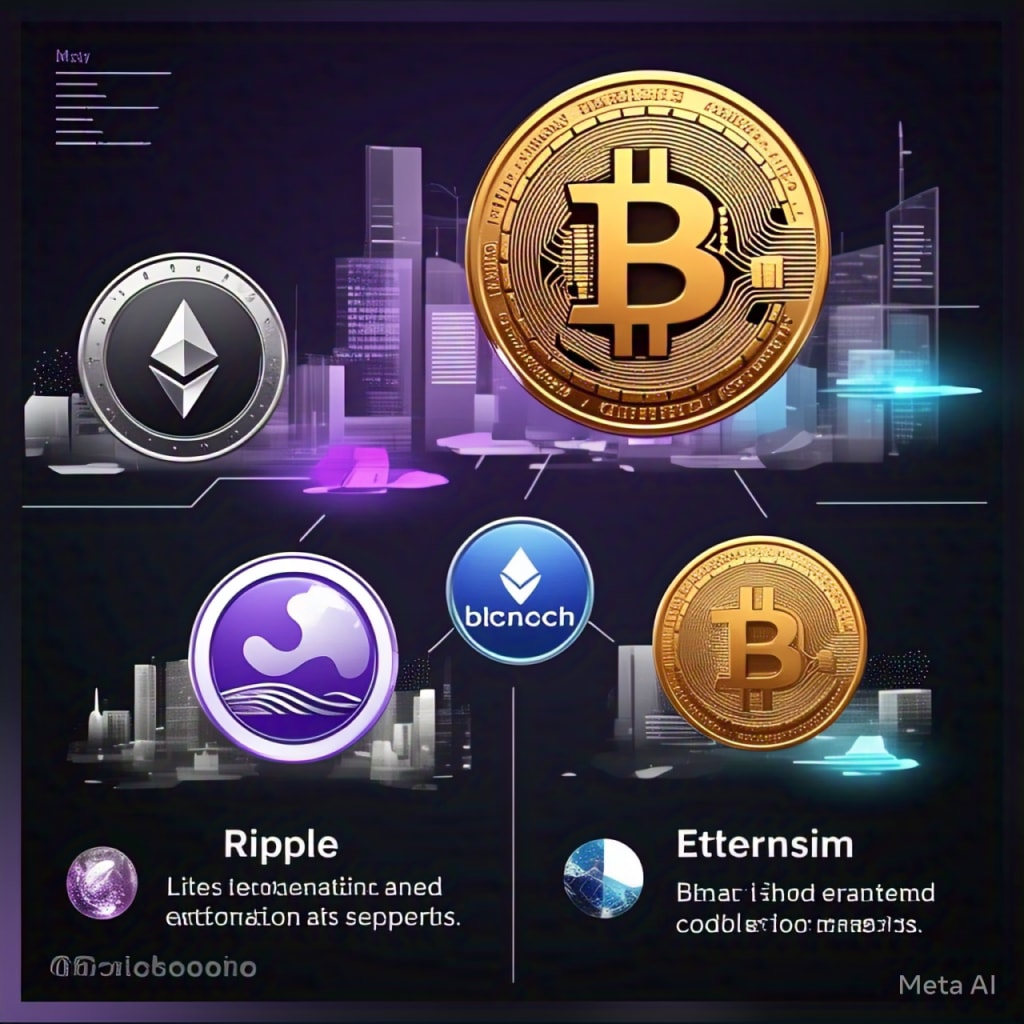
Introduction
Cryptocurrency has transformed from an obscure digital experiment into a global financial phenomenon. Over the past decade, it has revolutionized the way people perceive money, investments, and decentralization. From the birth of Bitcoin in 2009 to the rise of thousands of altcoins and blockchain innovations, cryptocurrency has significantly evolved. This blog explores the history of cryptocurrency, highlighting key milestones that shaped the digital asset landscape.
The Birth of Cryptocurrency: Bitcoin (2009)
The concept of digital currency existed long before Bitcoin. However, earlier attempts, such as DigiCash and e-Gold, failed due to regulatory challenges and lack of adoption. The real breakthrough came in 2008 when a mysterious figure, Satoshi Nakamoto, published the Bitcoin whitepaper titled Bitcoin: A Peer-to-Peer Electronic Cash System.
In January 2009, Nakamoto mined the first Bitcoin block, known as the Genesis Block, and introduced the first cryptocurrency that operated without a central authority. Bitcoin used blockchain technology—a decentralized ledger that records all transactions securely and transparently. The first recorded Bitcoin transaction took place in 2010 when Laszlo Hanyecz famously bought two pizzas for 10,000 BTC, marking the first real-world Bitcoin purchase.
The Rise of Altcoins (2011–2013)
As Bitcoin gained popularity, developers started creating alternative cryptocurrencies, commonly known as altcoins. These new digital currencies aimed to improve upon Bitcoin’s technology or serve different purposes.
• Litecoin (2011): Created by Charlie Lee, Litecoin offered faster transaction times and a different hashing algorithm than Bitcoin.
• Ripple (2012): Focused on facilitating cross-border payments and financial institution adoption.
• Peercoin (2013): Introduced the Proof-of-Stake (PoS) consensus mechanism, reducing the reliance on energy-intensive mining.
This period also saw the emergence of cryptocurrency exchanges like Mt. Gox, which made Bitcoin trading more accessible. However, security concerns arose, culminating in the infamous Mt. Gox hack in 2014, where hackers stole over 850,000 BTC.
Ethereum and the Smart Contract Revolution (2015–2017)
Bitcoin demonstrated the potential of decentralized digital money, but Ethereum, launched by Vitalik Buterin in 2015, expanded cryptocurrency’s use cases. Ethereum introduced smart contracts, self-executing contracts with predefined rules coded into the blockchain. This innovation paved the way for decentralized applications (dApps) and Decentralized Finance (DeFi) platforms.
During this time, Initial Coin Offerings (ICOs) became popular. Startups raised millions of dollars by issuing new cryptocurrencies in exchange for investments. However, the ICO boom also led to scams and regulatory scrutiny.
The 2017 Crypto Boom and Crash
In 2017, cryptocurrencies experienced an unprecedented bull run. Bitcoin surged from around $1,000 in January to nearly $20,000 in December. Altcoins like Ethereum, Ripple, and Litecoin also saw massive gains.
This hype was fueled by increased adoption, mainstream media attention, and speculation. However, the market was largely unregulated, leading to scams and excessive volatility. By early 2018, the bubble burst, and the market suffered a massive crash, with Bitcoin losing more than 80% of its value.
The Rise of DeFi and NFTs (2018–2021)
Despite the crash, blockchain innovation continued. The Decentralized Finance (DeFi) movement gained traction, offering financial services like lending, borrowing, and trading without intermediaries. Platforms like Uniswap, Aave, and Compound became popular, allowing users to earn interest on their crypto assets.
Another major trend was the rise of Non-Fungible Tokens (NFTs). These digital collectibles, powered by Ethereum’s ERC-721 standard, became a cultural phenomenon. In 2021, digital artist Beeple sold an NFT artwork for $69 million, bringing mainstream attention to blockchain-based art and digital ownership.
Institutional Adoption and Regulatory Challenges (2021–2023)
By 2021, institutional investors, corporations, and even governments started recognizing cryptocurrency. Tesla, MicroStrategy, and PayPal integrated Bitcoin into their operations, while El Salvador became the first country to adopt Bitcoin as legal tender.
However, regulatory scrutiny also intensified. Governments debated laws on taxation, anti-money laundering (AML), and investor protection. China cracked down on crypto mining, while the U.S. Securities and Exchange Commission (SEC) increased enforcement actions against crypto projects.
The Current State of Cryptocurrency (2024–Present)
As of today, cryptocurrency continues to evolve, with key trends shaping its future:
• Central Bank Digital Currencies (CBDCs): Governments are exploring digital versions of their national currencies to compete with crypto.
• Layer-2 Scaling Solutions: Technologies like the Lightning Network and Ethereum’s Layer-2 rollups aim to improve scalability and reduce transaction costs.
• Web3 and the Metaverse: Blockchain-based virtual worlds and decentralized internet services are gaining traction.
• AI and Blockchain Integration: The intersection of artificial intelligence and blockchain is creating new applications, from automated trading to AI-driven smart contracts.
Conclusion
From Bitcoin’s humble beginnings to the modern crypto ecosystem, cryptocurrency has come a long way. While the industry faces regulatory challenges and market volatility, innovation continues to drive its growth. Whether it’s DeFi, NFTs, or blockchain-powered financial systems, the future of cryptocurrency remains promising and ever-evolving.
About the Creator
Girisha K M
I am a dedicated and enthusiastic blogger with a deep passion for educating others about cryptocurrency. My goal is to simplify complex crypto concepts and make them accessible to beginners and enthusiasts alike.
Keep reading
More stories from Girisha K M and writers in Trader and other communities.
Top 5 Most Popular Cryptocurrencies Right Now
As of May 2025, the cryptocurrency market continues to evolve, with several digital assets standing out due to their technological advancements, institutional adoption, and market performance. Here’s an overview of the top five most popular cryptocurrencies right now:
By Girisha K M8 months ago in Trader
Australia Building Management Systems Market Size and Forecast 2025–2033
Introduction: Smart Buildings Power Australia’s Sustainable Future Australia’s buildings are undergoing a quiet but powerful transformation. As urban centers expand and sustainability goals tighten, the need for intelligent infrastructure has never been greater. At the heart of this transformation lies Building Management Systems (BMS)—digital platforms that automate, monitor, and optimize essential building functions such as energy use, climate control, lighting, and security.
By Marthan Sir5 days ago in Trader




Comments
There are no comments for this story
Be the first to respond and start the conversation.