
Backlinks for SEO: Why They Matter and How to Build Them
Backlinks for SEO
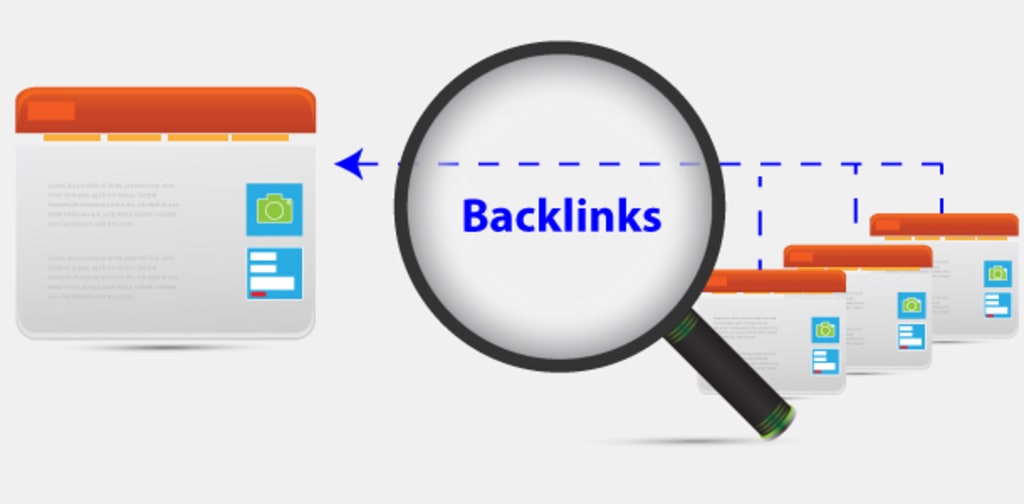
When it comes to improving your website’s visibility on search engines, backlinks play a crucial role. Often referred to as “inbound links” or “external links,” backlinks are one of the most powerful ranking factors in search engine optimization (SEO). In this article, we’ll break down what backlinks are, why they matter, and how you can build high-quality backlinks to boost your SEO.
What Are Backlinks?
A backlink is a link from one website to another. For example, if a popular blog links to your website in one of their articles, that’s a backlink for you. Search engines like Google view these links as votes of confidence — the more high-quality backlinks you have, the more authoritative and trustworthy your site appears.
Why Backlinks Matter for SEO
Here are a few reasons why backlinks are essential for SEO:
1. Improved Search Rankings
Search engines consider backlinks as a signal of trust. Pages with more quality backlinks tend to rank higher in search results.
2. Faster Indexing
Backlinks help search engine bots discover your site faster. When other sites link to yours, they lead crawlers directly to your content.
3. Referral Traffic
Apart from SEO, backlinks bring direct traffic. A user clicking a link on another site gets directed to yours, potentially leading to more conversions.
4. Authority Building
The more reputable sites link to you, the more credible your website becomes in the eyes of users and search engines.
Types of Backlinks
Not all backlinks are created equal. Here’s a breakdown:
DoFollow Backlinks: Pass SEO value (link juice) and are highly valuable.
NoFollow Backlinks: Don’t pass link juice but still can bring traffic and diversify your link profile.
Natural Backlinks: Earned organically because your content is genuinely valuable.
Manual Backlinks: Acquired through outreach, partnerships, or guest posting.
How to Build High-Quality Backlinks
Here are proven strategies to earn backlinks that positively impact SEO:
1. Create Link-Worthy Content
High-quality, original, and informative content naturally attracts backlinks. Focus on long-form content, guides, and unique data.
2. Guest Blogging
Writing articles for reputable blogs in your niche helps you get exposure and a backlink in the author bio or content.
3. Broken Link Building
Find broken links on other websites and offer your content as a replacement. It’s helpful for both parties.
4. Skyscraper Technique
Find high-performing content with many backlinks, create something even better, and reach out to those who linked to the original.
5. Get Featured in Roundups or Interviews
Participate in expert roundups or offer insights to journalists through platforms like HARO (Help A Reporter Out).
What to Avoid
- Buying Backlinks: Against Google’s guidelines and can result in penalties.
- Low-Quality Directories or Forums: Links from spammy sites do more harm than good.
- Over-Optimized Anchor Text: Use natural, varied anchor text to avoid looking manipulative.
Final Thoughts
Building backlinks for SEO is not about shortcuts or spammy tactics — it’s about creating value and building relationships in your industry. By focusing on quality over quantity and staying consistent with your outreach and content strategy, you can significantly improve your website’s authority and search engine rankings.
https://urrankings.com/pucca-house-meaning/
https://medium.com/@ankit.360r/pucca-house-meaning-everything-you-need-to-know-b917496bfe5b
About the Creator
Keep reading
More stories from Naveen Kumar and writers in Trader and other communities.
Buying Agency: Facilitating Seamless Sourcing Solutions in India
The dynamic environment of international trade makes Buying Agencies play a crucial role in facilitating purchasing operations. The agencies function as communication channels to link international purchasing parties with domestic suppliers for simplified procurement activities. Through a Buying Agency business can find high-quality products with minimized costs combined with standards compliance.
By Naveen Kumar11 months ago in Trader
Pre-engineered Building Market Size and Forecast 2025–2033
Global Pre-engineered Building Market Overview The global construction industry is undergoing a major transformation, driven by the need for faster project delivery, cost efficiency, and sustainable building practices. At the center of this evolution is the pre-engineered building (PEB) market, which is rapidly emerging as a preferred alternative to traditional construction methods across industrial, commercial, and infrastructure projects.
By Renub Research5 days ago in Trader
Landon Mercer on the Foundations of Investment Theory
The investment industry has undergone significant transformations in recent decades, driven by technological advancement, globalization, and evolving market dynamics. Landon Mercer, a distinguished figure in financial theory, has devoted extensive research to understanding the underlying mechanisms that govern investment behavior, market efficiency, and portfolio optimization. This report synthesizes Mercer’s theoretical contributions, exploring his perspectives on market dynamics, risk assessment, behavioral finance, and the evolution of investment strategies. Through his lens, the investment industry is not merely a mechanism for wealth accumulation but a complex ecosystem shaped by economic, psychological, and structural factors.
By Landon Mercerabout 22 hours ago in Trader




Comments
There are no comments for this story
Be the first to respond and start the conversation.