
Australia Plywood Market: Construction Demand, Infrastructure Growth & the Role of Engineered Wood
How residential building activity, commercial development and sustainable material adoption are shaping Australia’s plywood industry

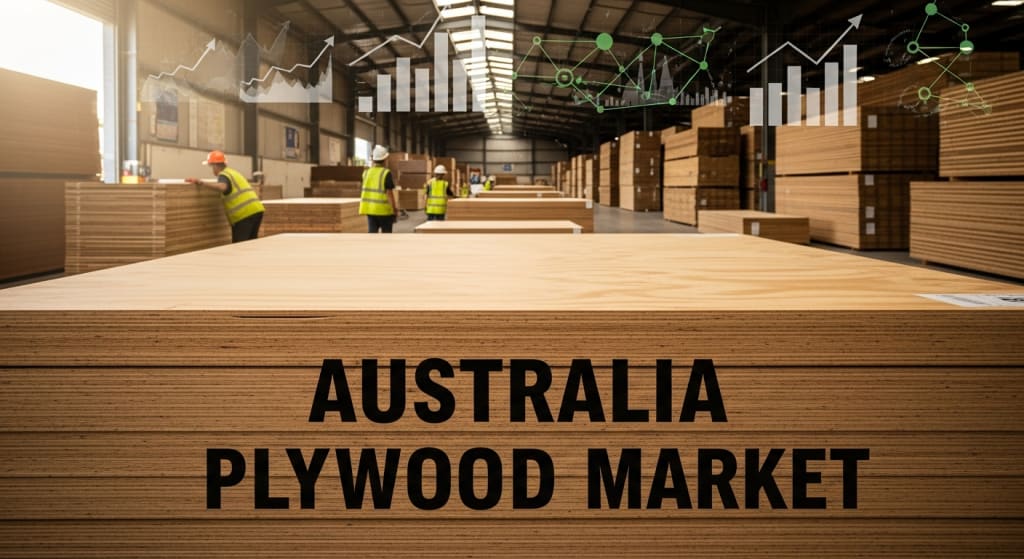
According to IMARC Group, the Australia plywood market reached USD 1.4 Billion in 2024. Looking ahead, the market is expected to expand to USD 2.1 Billion by 2033, growing at a CAGR of 4.10% during 2025–2033.
This steady growth highlights plywood’s importance as a core construction material across residential housing, commercial buildings, furniture manufacturing and infrastructure projects throughout Australia.
Plywood is valued for its strength, durability, flexibility and cost efficiency. Manufactured by bonding multiple layers of wood veneer, it offers superior load-bearing performance compared to solid timber while using resources more efficiently. As Australia continues to invest in housing supply, urban development and renovation activity, plywood remains a preferred engineered wood product for builders, architects and manufacturers.
Why is the Australia Plywood Market Growing?
Rising Residential Construction & Housing Demand
Australia’s growing population and urban expansion are driving sustained demand for new housing. Plywood is widely used in flooring, wall sheathing, roofing and formwork applications due to its structural reliability and ease of installation. Government initiatives aimed at boosting housing supply further support plywood consumption.
Expansion of Commercial & Infrastructure Projects
Commercial construction, including offices, retail spaces, warehouses and public infrastructure, continues to fuel demand for plywood. Large-scale infrastructure projects require durable, lightweight and cost-effective materials, making plywood an essential component for temporary structures, formwork and interior applications.
Growth in Renovation & Remodeling Activities
Home renovation and remodeling projects are increasingly popular across Australia, particularly in urban and suburban regions. Plywood is commonly used in cabinetry, furniture, wall panels and interior design elements. Its versatility and compatibility with modern finishes make it attractive for both residential and commercial refurbishments.
Shift Toward Engineered Wood & Sustainable Materials
Plywood aligns well with sustainability goals due to its efficient use of timber resources. Compared to solid wood, it maximizes yield from logs and supports responsible forestry practices. As sustainability becomes a key decision factor in construction, engineered wood products such as plywood gain preference over less eco-friendly alternatives.
Stable Demand from Furniture & Manufacturing Sectors
The furniture and interior manufacturing industries rely heavily on plywood for its dimensional stability and smooth surface finish. Rising demand for ready-to-assemble furniture, storage solutions and customized interiors continues to support plywood usage across manufacturing supply chains.
The Australian plywood market includes domestic manufacturers, importers, distributors and integrated wood-product companies. Competition is influenced by raw material sourcing, product quality, compliance with building standards and pricing stability. Companies continue to invest in improved manufacturing processes and sustainable sourcing certifications to strengthen market positioning.
February 2025:
A leading engineered wood manufacturer expanded its Australian distribution network to support rising demand from residential builders. The expansion improved regional supply availability and reduced delivery lead times by 18%, enhancing market efficiency.
June 2025:
State governments increased funding for public infrastructure and affordable housing projects, driving a 15% rise in plywood procurement for construction applications. This development reinforced plywood’s role as a core building material in public works.
October 2025:
Industry data showed a 12% year-on-year increase in demand for sustainably certified plywood, reflecting growing adoption of environmentally responsible construction practices among builders and developers.
Why Should You Know About the Australia Plywood Market?
Because plywood is a foundational material supporting Australia’s construction, manufacturing and infrastructure sectors. With the market projected to grow from USD 1.4 Billion in 2024 to USD 2.1 Billion by 2033, plywood represents a stable and strategically important segment of the building materials industry.
For construction companies: Plywood offers reliability, versatility and cost efficiency across structural and interior applications.
For manufacturers & suppliers: Growth opportunities lie in sustainable products, supply-chain efficiency and value-added plywood solutions.
For investors: A 4.10% CAGR reflects consistent demand backed by long-term construction and renovation trends.
For policymakers: Engineered wood products like plywood support sustainable building practices and efficient resource utilization.
As Australia continues to expand its housing stock, modernize infrastructure and adopt sustainable construction methods, the plywood market will remain a vital contributor — supporting economic activity, employment and environmentally responsible development across the country.
About the Creator
Kevin Cooper
Hi, I'm Kavin Cooper — a tech enthusiast who loves exploring the latest innovations, gadgets, and trends. Passionate about technology and always curious to learn and share insights with the world!
Keep reading
More stories from Kevin Cooper and writers in Trader and other communities.
Australia Paper Packaging Market: Sustainable Materials, Retail Demand & the Shift Toward Eco-Friendly Packaging
According to IMARC Group, the Australia paper packaging market reached USD 9.0 Billion in 2025. Looking ahead, the market is expected to grow steadily to USD 10.9 Billion by 2034, expanding at a CAGR of 2.19% during 2026–2034.
By Kevin Cooperabout a month ago in Trader
Japan Building Automation Systems Market Size and Forecast 2025–2033
Introduction Japan is undergoing a profound transformation in the way its buildings are designed, managed, and operated. From skyscrapers in Tokyo to manufacturing hubs in Aichi and logistics centers in Chiba, the demand for smarter, more energy-efficient, and digitally connected infrastructure is accelerating. At the center of this transformation lies the Building Automation Systems (BAS) market, which integrates mechanical, electrical, and electromechanical services into a centralized, intelligent control framework.
By Marthan Sir4 days ago in Trader
Australia Hybrid Electric Vehicle Market Set for Explosive Growth to 2.71 Million Units by 2033
The Australia hybrid electric vehicle market is undergoing a dramatic expansion as fuel efficiency and sustainability become core priorities for both consumers and policymakers. According to the latest IMARC Group research, the market reached 360.2 thousand units in 2024 and is projected to surge to 2,710.5 thousand units by 2033, achieving a CAGR of approximately 23.88% from 2025 to 2033.
By Rashi Sharma7 days ago in Trader



Comments
There are no comments for this story
Be the first to respond and start the conversation.