
Australia Home Furniture Market Set to Double to USD 34.3 Billion by 2033
Driven by residential construction growth, digital retail adoption, and shifting lifestyle preferences, the Australian home furniture market is poised for strong expansion through 2033.

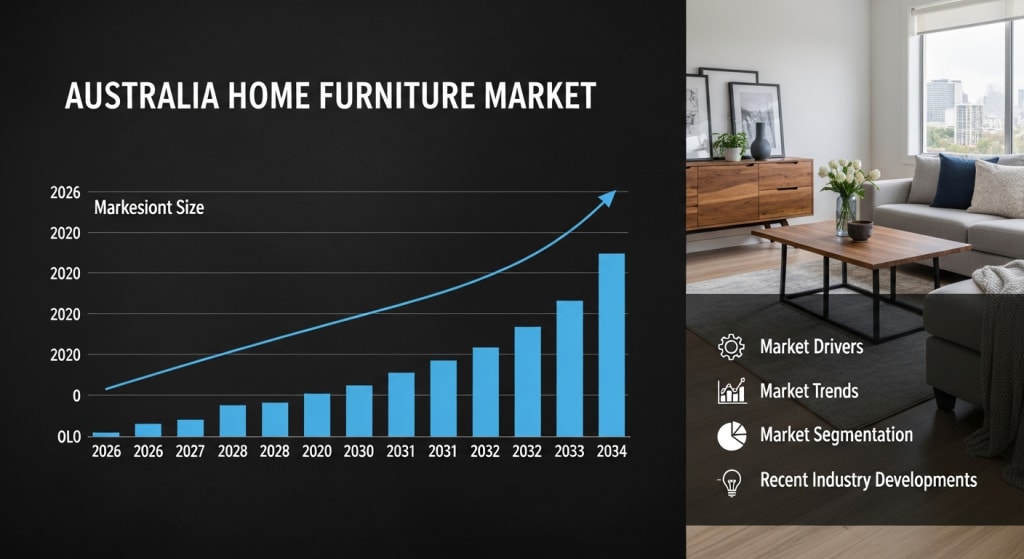
The Australia home furniture market is experiencing robust growth amid structural shifts in housing, consumer lifestyles, and retail channels. According to the latest IMARC Group analysis, the market reached USD 17.0 billion in 2024 and is projected to nearly double to USD 34.3 billion by 2033, reflecting a compound annual growth rate (CAGR) of 7.25% over 2025–2033. This expansion is driven by a confluence of factors — from rising construction activity and urbanisation to expanding e-commerce channels and increasing consumer focus on design, comfort, and multifunctionality.
Home furniture encompasses a broad range of products designed for residential living spaces, including living room, dining room, bedroom, kitchen, and other furniture pieces. The market’s growth trajectory is sustained by both demand-side dynamics and supply-side innovations that are reshaping how Australians approach furnishing their homes.
Why the Market Is Growing So Rapidly
One of the fundamental drivers behind the growth of the Australia home furniture market is the expansion of residential construction and urban development. Cities like Sydney, Melbourne, Brisbane, and Perth continue to attract population inflows, prompting increased housing construction activity to accommodate expanding urban populations. Newly built homes, apartments, and townhouses necessitate a variety of furniture types — from living and bedroom sets to functional storage and décor — creating a consistent demand pipeline for manufacturers and retailers. As more households transition into new dwellings, spending on interior furnishings follows naturally.
Rising disposable incomes and lifestyle spending are also sustaining market gains. With a generally robust labour market and improved consumer confidence, Australian households are allocating more of their discretionary spending toward interior comfort and aesthetics. Furniture is increasingly viewed not just as a functional necessity but as an expression of personal taste and lifestyle. Trends such as open-plan living and multifunctional layouts encourage purchases of versatile and modern furniture solutions — particularly items that balance form and function in contemporary homes.
Another powerful growth catalyst is the rapid expansion of e-commerce and digital retail engagement. Online furniture platforms have transformed how consumers discover, compare, and purchase home furnishings. Providers are incorporating advanced digital tools — such as augmented reality (AR) visualisation and 3D product views — helping buyers imagine furniture in their own spaces and boosting conversion rates. The convenience of online shopping, coupled with improved logistics and delivery services, has made furniture shopping more accessible to both metropolitan and regional customers.
Sustainability and eco-conscious consumption are increasingly influencing product choices in the furniture market. Australian consumers are showing rising preference for furniture made from responsibly sourced timber, reclaimed wood, recycled metals, and non-toxic materials. Brands that emphasise these attributes — often validated through certifications — enjoy stronger engagement as buyers align purchases with broader environmental values. Sustainability is rapidly shifting from a niche preference to a mainstream consideration in home décor and furnishing decisions.
Moreover, remote work and lifestyle changes post-pandemic have driven investment in home environments that support comfort, productivity, and wellbeing. With more people spending significant time at home, demand has risen for practical yet stylish furniture — including home office setups, modular units, and adaptable pieces that complement hybrid living arrangements. This shift is sparking innovation and expansion in product portfolios across the industry.
What the Opportunities Are
1. Modular and Multifunctional Furniture:
Consumers increasingly seek space-saving, multifunctional pieces suitable for modern layouts — especially in smaller urban dwellings. Manufacturers can capitalise on this by innovating adaptable and modular designs.
2. Sustainable and Responsibly Sourced Products:
There is a clear opportunity to lead with eco-friendly materials, such as certified timber, recycled textiles, and low-emission finishes, appealing to environmentally aware buyers.
3. Enhanced Digital Retail Platforms:
Expanding online presence with immersive digital experiences — like AR room planners, virtual showrooms, and AI-powered recommendations — can boost market share and customer loyalty.
4. Customisation and Personalisation:
Offering bespoke furniture solutions (e.g., personalised sizes, materials, colours) enables brands to differentiate and cater to diverse preferences.
5. Home Office and Hybrid Living Solutions:
The ongoing trend toward flexible work arrangements supports demand for ergonomic and stylish home office furniture.
6. Regional Market Expansion:
Targeting regional and remote customers through improved distribution, online servicing, and tailored marketing can unlock additional market segments.
7. Strategic Retail Partnerships:
Collaborations between furniture brands, interior designers, and property developers can introduce bundled furnishing solutions tied to new home sales and renovation projects.
Recent News & Developments in Australia Home Furniture Market
• March 2025: Government Infrastructure Momentum — Federal and state governments accelerated funding for residential infrastructure and urban development projects, including affordable housing and urban renewal plans. These initiatives are expected to lead to expanded demand for home furnishings as new units are occupied, reinforcing growth opportunities for furniture manufacturers and retailers across the country.
• June 2025: Company Expansion — Temple & Webster, one of Australia’s leading online furniture retailers, reported strong financial performance through 2025, with significant increases in both revenue and customer engagement. The company is considering international expansion following robust domestic uptake, reflecting confidence in both digital retail and home furniture categories.
• August 2025: Market Adoption Milestone — The home furniture sector saw substantial category growth, with leading retail chains and specialty stores reporting double-digit increases in both foot traffic and online sales volumes for multifunctional and sustainable furniture lines. Category performance highlights consumer inclination toward premium and versatile furnishing options.
Why Should You Know About the Australia Home Furniture Market?
Understanding the Australia home furniture market is essential for stakeholders across industries. For investors, the projected growth to USD 34.3 billion by 2033 signals strong market potential underpinned by rising demand, favourable demographic trends, and evolving consumer behaviour. For brands and manufacturers, insights into product preferences — from sustainable materials to multifunctional design — help tailor offerings to shifting tastes. Retailers benefit from recognising the significance of digital engagement and diversified sales channels that meet modern buying patterns. For policy makers and urban planners, furniture market dynamics reflect broader housing and lifestyle trends that inform planning, sustainability standards, and economic policy. As Australia’s residential and interior landscape continues to evolve, this market represents an important intersection of commerce, culture, and consumer choice.
About the Creator
Rashi Sharma
I am a market researcher.
Keep reading
More stories from Rashi Sharma and writers in Trader and other communities.
Australia Organic and Natural Pet Food Market Set to Nearly Double to USD 1,150.44 Million by 2033
The Australia organic and natural pet food market is experiencing robust expansion as pet owners increasingly prioritise health, wellness and ethical sourcing for their animals’ diets. According to the latest IMARC Group report, the market was valued at USD 628.40 million in 2024 and is projected to reach USD 1,150.44 million by 2033, exhibiting a compound annual growth rate (CAGR) of 6.95% during 2025–2033. This growth reflects a combination of cultural shifts in pet ownership, greater awareness of nutrition’s impact on pet health, and broader consumer demand for premium, clean-label pet food offerings.
By Rashi Sharmaabout 20 hours ago in Trader
Exploring the South Korea Cosmetics Market: Trends, Opportunities, and Insights
South Korea Cosmetics Market Overview South Korea cosmetics market size reached USD 8,000.7 Million in 2025. Looking forward, IMARC Group expects the market to reach USD 12,712.7 Million by 2034, exhibiting a growth rate (CAGR) of 5.3% during 2026-2034. The growing influence of social media platforms, along with the widespread adoption of extensive skincare routine by individuals, is primarily driving the market growth across the country.
By Kim Soo hyun5 days ago in Trader




Comments
There are no comments for this story
Be the first to respond and start the conversation.