
Australia Frozen Food Market Expected to Reach USD 8.3 Billion by 2034 as Convenience and Innovation Drive Demand
Robust growth fueled by urban lifestyles, advanced cold chain infrastructure, and product innovation reshapes the frozen food landscape in Australia.

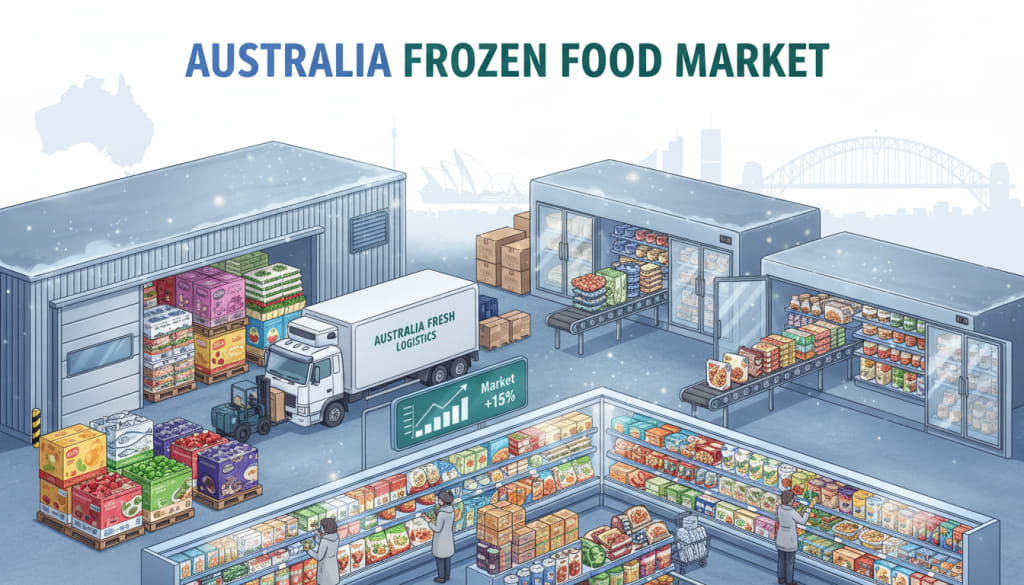
The Australia frozen food market is experiencing significant growth as consumer lifestyles shift toward convenience, quality, and variety in meal solutions. According to the latest IMARC Group data, the market reached USD 4.7 billion in 2025 and is projected to expand to USD 8.3 billion by 2034, representing a compound annual growth rate (CAGR) of 6.43% during 2026–2034.
This growth reflects a broader transformation within the country’s food and beverage sector, where consumption patterns, supply chain innovations, and technological advancements are reshaping how Australians eat, shop, and engage with frozen food products. From frozen vegetable snacks to meat products and frozen fruits, the segmentation of the market highlights both diverse offerings and strategic opportunities.
Frozen foods encompass a wide range of products maintained at low temperatures to extend shelf life while preserving nutritional value, texture, and taste. These include snacks such as French fries and nuggets, meat products like chicken and fish, as well as frozen fruits and vegetables that cater to households and foodservice channels.
Why the Market Is Growing So Rapidly
One of the most significant drivers of the Australia frozen food market is the rapid pace of urbanization and changing lifestyle patterns. Urban consumers, particularly working professionals and dual-income households, increasingly prefer ready-to-eat or minimal-preparation food options that fit into busy schedules. For many, frozen food offers a balance between convenience and quality, allowing quick meal preparation without compromising variety or taste. This trend is supported by broader demographic shifts and increased participation in the workforce, which have heightened demand for time-saving solutions.
Closely related to lifestyle shifts is the expansion and modernization of cold chain infrastructure throughout Australia. Investments in state-of-the-art refrigeration facilities, temperature-controlled transportation networks, and advanced storage systems have significantly enhanced product quality and distribution efficiency. This improved infrastructure ensures that frozen goods maintain optimal conditions from production to retail shelves, reducing spoilage and extending geographic reach — including into regional and remote areas where access to quality food products can be challenging.
Technological innovation in product processing and packaging further supports market expansion. Manufacturers are leveraging advanced freezing techniques — such as flash freezing and modified atmosphere packaging — to improve product preservation, taste retention, and nutritional integrity. These innovations help differentiate frozen foods from fresh alternatives, particularly when consumers are seeking healthier or premium options that do not require lengthy preparation times.
Another key force driving growth is product diversification and quality enhancement. Beyond traditional frozen staples, there is increasing demand for gourmet meals, specialty international cuisines, and options tailored to dietary preferences such as gluten-free, vegan, or low-calorie formats. This broadening of product portfolios enables manufacturers to appeal to a wider range of consumer tastes and preferences, encouraging repeat purchases and higher per-capita consumption.
Lastly, strategic partnerships and strengthened retail networks have expanded accessibility and visibility of frozen food offerings. Collaborations between manufacturers, large supermarket chains, and logistics providers facilitate better shelf placement, promotional activities, and efficient supply chain operations. These partnerships not only improve product availability but also build consumer confidence in both quality and reliability.
What the Opportunities Are
The evolving Australia frozen food market presents several strategic opportunities for manufacturers, retailers, and investors:
1. Premium and Health-Focused Offerings: There is rising consumer appetite for high-quality frozen meals that emphasize nutrition, natural ingredients, and clean-label formulations. Catering to health-conscious demographics opens up premium market segments.
2. Expansion of Ready-to-Cook and Ready-to-Eat Lines: Ready-to-cook formats strike a balance between convenience and meal customization, while ready-to-eat options can appeal to time-pressed consumers seeking minimal preparation.
3. E-commerce and Home Delivery Channels: With the rise of online grocery shopping, frozen food producers can expand distribution through digital platforms, enhancing accessibility and capturing growing demand for doorstep delivery services.
4. Cold Chain Technology Partnerships: Investing in advanced cold chain solutions — from IoT-enabled monitoring to automated storage — can reduce costs, improve efficiency, and support broader market reach.
5. Seasonal and Ethnic Product Innovation: Offering products tailored to seasonal demand or specific cultural tastes can attract diverse consumer groups and create niche market opportunities.
6. Sustainable Packaging Leadership: Environmentally friendly packaging solutions — recyclable materials or reduced-waste systems — can resonate with eco-aware consumers and strengthen brand image.
7. Retailer Collaboration Programs: Deepening engagement with supermarket and convenience store chains through co-marketing, exclusive lines, or promotional programs can build loyalty and increase market share.
• March 2025: Government Food Safety Update – Australia’s food safety regulators introduced enhanced storage and temperature tracking guidelines for frozen food distribution. The regulations mandate stricter cold chain monitoring across retail and logistics channels, prompting manufacturers and distributors to upgrade monitoring systems and improve quality assurance processes nationwide.
• June 2025: New Premium Frozen Line Launched (Company Expansion) – A leading Australian frozen food brand unveiled a new premium line of gourmet frozen meals. The range features innovative international recipes and sustainable packaging, aimed at meeting growing demand for high-quality, convenient meal solutions among urban consumers.
• September 2025: Market Adoption Milestone – Australia’s frozen food market recorded a 10% year-on-year increase in retail sales volume, attributed to expanding e-commerce penetration and broader product availability. The milestone reflects stronger consumer trust in frozen foods as everyday meal solutions, especially among dual-income households and young professionals.
Why Should You Know About the Australia Frozen Food Market?
For investors and industry leaders, the Australia frozen food market represents a compelling growth narrative grounded in demographic change, technological innovation, and evolving consumption preferences. With an expected increase from USD 4.7 billion in 2025 to USD 8.3 billion by 2034 and a CAGR of 6.43%, opportunities abound across product innovation, retail expansion, and supply chain optimization.
Businesses that embrace sustainability, invest in cold chain technologies, and align offerings with modern lifestyle trends will be well-positioned to capture long-term value. Likewise, policymakers focused on food safety and nutrition standards can support balanced growth that benefits consumers and industry alike. As frozen foods become even more integral to daily diets and retail strategies, understanding this market’s trajectory offers essential strategic insight for the decade ahead.
About the Creator
Amélie Belle
Hi, I’m Amélie Belle—27, New York writer, lover of quiet moments and honest words. I share poetry and reflections on love, healing, and life’s small miracles. If my writing makes you feel seen, I’m exactly where I’m meant to be.
Keep reading
More stories from Amélie Belle and writers in Trader and other communities.
Australia Healthcare Services Market — Growth, Forecast & Strategic Outlook 2026–2034
The Australia healthcare services market is expanding steadily as demand for medical, diagnostic and long-term care rises in tandem with demographic shifts and healthcare technology adoption. According to IMARC Group, the market reached USD 215.5 billion in 2025 and is projected to grow to USD 391.9 billion by 2034, representing a compound annual growth rate (CAGR) of 6.66% during 2026–2034.
By Amélie Belle5 days ago in Trader
US Job Report Shows Surprising Shifts That Could Affect Your Paycheck
The US Job Report is a monthly snapshot of the labor market. The latest US Job Report reveals changes that could affect workers across the country. While many focus on the headline numbers, the full US Job Report tells a deeper story about hiring, wages, and job stability. Understanding the US Job Report helps you see trends that impact your income, career plans, and financial security. This article breaks down the key findings in simple terms and explains what they mean for you.
By hamza mirza5 days ago in Trader
Mexico Cybersecurity Solutions Market Size Growth, Trends & Outlook 2033
Mexico Cybersecurity Solutions Market Overview The Mexico Cybersecurity Solutions Market is witnessing sustained expansion as businesses and government entities strengthen digital infrastructure against evolving cyber threats. With rapid digital transformation across industries, organizations are increasingly investing in advanced security solutions to safeguard data, networks, and cloud environments.
By Kim Soo hyuna day ago in Trader
The Cave Part 6
If you have ever heard a tale about yourself that you cannot remember and doubtless think is made up, you will know how I felt when Tharkin related all that the eagle had seen of me before my memories were scattered. Of far distances and traveling companions that I did not recall, camping out under the stars and making our way to the mountains with deliberate purpose. The great bird had lost contact with my party once we entered the forests, and the seven other members were not seen again by him or his brethren since.
By Jamye Sharp2 days ago in Chapters




Comments
There are no comments for this story
Be the first to respond and start the conversation.