
Australia Freeze Dried Food Market: From Shelf-Stable Snacks to Sustainable Nutrition
Growing health awareness and e-commerce expand market toward USD 111.4 million by 2034

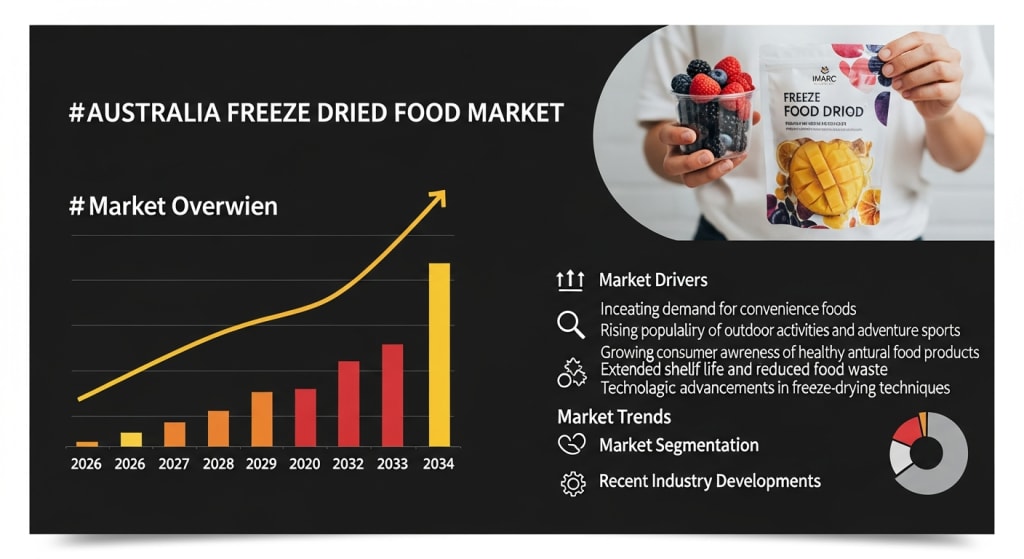
The Australia freeze dried food market is experiencing steady expansion as consumers increasingly prioritise convenience, nutrition, and sustainability in their food choices. According to the latest IMARC Group analysis, the market size reached USD 64.0 million in 2025 and is forecast to grow to USD 111.4 million by 2034, reflecting a CAGR of 6.35% over the 2026–2034 period.
Freeze-drying — a preservation process that removes moisture while maintaining flavour, nutrients and texture — is gaining prominence across foodservice, retail, and household segments. This growth is underpinned by rising consumer demand for lightweight, long-shelf-life products, expanding online distribution channels and a broader shift toward sustainable, minimally processed foods.
Why the Market Is Growing So Rapidly
1. Convenience and Longer Shelf Life
Freeze dried foods offer extended shelf life without refrigeration, making them highly convenient for modern lifestyles. Consumers are increasingly choosing these products for snack options, meal kits, emergency supplies, outdoor activities and pantry staples, particularly when fresh produce isn’t readily available.
2. Rising Health and Nutrition Awareness
Health-conscious buyers prefer foods that retain nutritional value and flavour without preservatives. Freeze-dried products preserve nutrients more effectively than traditional methods like canning or freezing, which appeals to consumers seeking clean-label, minimally processed foods rich in vitamins and antioxidants.
3. Sustainability and Reduced Food Waste
Sustainability is a key trend driving market demand. Freeze-drying uses comparatively less water and helps prevent food waste by enabling producers to salvage imperfect or surplus produce. For example, a new freeze-drying plant in Western Australia repurposed bananas rejected by retail channels into value-added ingredients used in snacks and other products — a compelling narrative of sustainability and resource optimisation.
4. E-Commerce and Digital Marketplaces
The expansion of digital retail channels has made freeze-dried foods more accessible to a wider audience. Online platforms allow consumers to explore a diverse range of products, compare features and benefits, and purchase items that might not be readily available offline — increasing the market’s reach and convenience.
5. Diverse Product Applications
Freeze dried foods span multiple categories — including fruits, vegetables, beverages, dairy products, and meat/seafood — enabling producers to tap into varied consumer needs and culinary applications. From snack products and ready-to-eat meals to brewing and culinary ingredients, the versatility of freeze-dried foods is broadening market appeal.
What the Opportunities Are
1. Premium and Functional Food Positioning
Brands can capture higher price points by positioning freeze-dried products as premium, nutrient-dense, and functional foods — especially those tailored to health-focused segments such as athletes, outdoor enthusiasts, or specialised diets.
2. Product Innovation and New Flavours
Introducing novel flavours and format innovations — such as freeze-dried smoothie mixes, instant soups and gourmet snacks — can attract adventurous consumers and expand usage occasions beyond traditional snack segments.
3. Growth Through Online Subscriptions
Subscription models offering curated boxes of freeze-dried foods can build recurring revenue and enhance customer loyalty, particularly among busy consumers and frequent travellers.
4. Strategic Retail Partnerships
Securing shelf space with major retail chains, specialist health stores, and niche gourmet shops can improve visibility and accessibility, complementing online growth strategies.
5. Expansion in Foodservice and Institutional Channels
Hotels, cafés, outdoor hospitality services and emergency food suppliers represent expanding end-user channels for freeze-dried products, particularly for lightweight and easy-prepare menu components.
6. Regional Product Sourcing and Local Branding
Highlighting Australian-grown ingredients and locally produced freeze-dried foods can resonate with national pride and sustainability values, differentiating products from imported alternatives.
7. Leveraging Sustainability Credentials
Marketing the eco-friendly aspects of freeze drying — such as reduced food waste, minimal water usage and recyclable packaging — aligns with consumer sustainability expectations and can boost brand affinity.
Recent News & Developments in Australia Freeze Dried Food Market
February 2025: Product Expansion & Consumer Buzz: Major retailers introduced new freeze-dried snack lines, including freeze-dried lollies and fruit treats priced attractively for impulse purchasing. These launches sparked significant social media engagement and demonstrated strong consumer interest in innovative, flavour-driven applications of freeze-dried technology.
• May 2025: E-Commerce Adoption Intersects with Health Trends: Online retailers reported increased search demand for nutrient-rich freeze-dried products, particularly among health-conscious consumers. Platforms noted higher conversion rates for items marketed with clear nutritional profiles and sustainable packaging, underscoring the importance of differentiated digital targeting strategies.
• September 2025: Market Expansion & Category Awareness: Industry observers highlighted that freeze dried products are increasingly featured in foodservice menus and specialty food events, broadening public awareness and establishing freeze-dried foods as both functional and gourmet options within Australia’s evolving food landscape.
Why Should You Know About the Australia Freeze Dried Food Market?
For investors, the Australia freeze dried food market presents a measurable growth opportunity, with projections showing an increase from USD 64.0 million in 2025 to USD 111.4 million by 2034 at a 6.35% CAGR — signalling resilient demand underpinned by consumer lifestyle shifts and sustainability preferences.
For food producers and brands, the expanding interest in nutrient-dense, convenient freeze-dried products offers avenues to innovate, diversify portfolios and differentiate offerings — particularly by focusing on health, flavour and sustainability attributes.
For retailers and e-commerce platforms, increasingly savvy consumers and stronger online shopping behaviour emphasise the need for curated product assortments, transparent information and targeted marketing to capture growth in this category.
This market exemplifies how evolving consumer values — from wellness and convenience to eco-awareness — are transforming traditional food sectors and unlocking new pathways for products that combine quality, shelf stability and modern lifestyles.
About the Creator
Rashi Sharma
I am a market researcher.
Keep reading
More stories from Rashi Sharma and writers in Trader and other communities.
Australia Online Travel Bookings Market: Steady Growth on the Road to USD 15.9 Billion by 2034
The Australia online travel bookings market is witnessing consistent expansion as more consumers turn to digital channels to plan and purchase travel services. According to IMARC Group’s latest analysis, the market was valued at USD 11.4 billion in 2025 and is projected to grow to USD 15.9 billion by 2034, exhibiting a compound annual growth rate (CAGR) of 3.76% during the 2026–2034 forecast period.
By Rashi Sharma3 days ago in Trader
Gold Price Today: Latest Updates, Key Drivers, and Market Outlook
Gold Price Today: Understanding the Current Market The gold price today continues to attract strong attention from investors, traders, and analysts across the globe. Gold has long been considered a reliable store of value, especially during times of economic instability, inflation, and geopolitical uncertainty. As financial markets react to changing interest rates and global economic signals, tracking the gold price today has become more important than ever.
By Hammad Nawaz8 days ago in Trader
MSCI World Index Return 2025: How Smart Investors Can Ride Global Growth
The MSCI World Index Return 2025 is a powerful indicator for investors looking to understand global market trends. By analyzing its performance, you can identify opportunities to grow your portfolio faster. This article explores the key trends, strategies, and risks investors should watch in 2025.
By hamza mirza4 days ago in Trader



Comments
There are no comments for this story
Be the first to respond and start the conversation.