
Australia Fashion and Apparel Market: Style Evolution, Consumer Trends & Retail Expansion
How shifting lifestyles, digital commerce and sustainability influence the growth of Australia’s fashion apparel sector

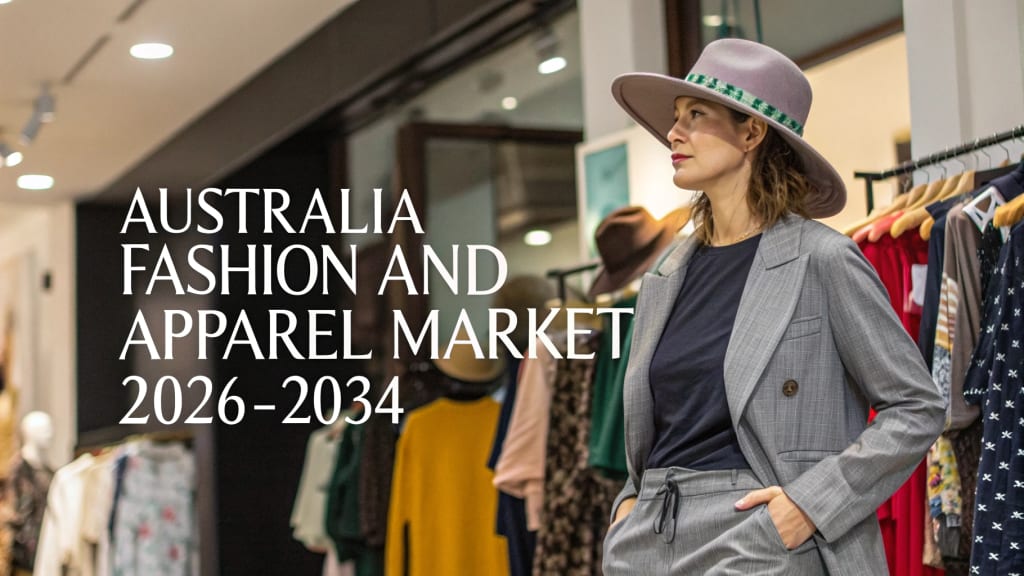
Australia Fashion and Apparel Market Overview
The Australia fashion and apparel market continues its dynamic growth as consumer preferences evolve, digital shopping expands and lifestyle trends shape demand for clothing across age groups, occasions and price segments. Fashion apparel — including casual wear, formal wear, activewear, outerwear, accessories and seasonal collections — is not just a necessity but a reflection of personal identity, cultural influences and fashion sensibilities. The Australia fashion and apparel market size reached USD 38.9 Billion in 2025. Looking forward, the market is expected to reach USD 55.2 Billion by 2034, exhibiting a growth rate (CAGR) of 3.97% during 2026-2034. This growth underscores the resilience of the apparel sector despite economic fluctuations, with consumers increasingly seeking quality, comfort, stylistic relevance and value-driven purchases.
Australia’s fashion apparel market reflects broader socio-economic shifts — from athleisure and sustainable fashion to fast fashion cycles, digital commerce experiences and seasonal trend adoption. As consumers balance style, utility and ethical considerations, brands and retailers are innovating with new collections, omnichannel engagement, personalised offerings and eco-friendly lines to meet diversified demand.
What’s Driving Market Growth
Shifting Lifestyles & Style Preferences
As lifestyles become more dynamic, flexible and experience-driven, apparel demand evolves accordingly. Casual wear, smart casual outfits, athleisure and multifunctional garments are increasingly favoured due to their comfort, adaptability and fashion relevance. The integration of fashion into everyday wear — from remote work to social outings and travel — supports consistent apparel purchasing.
Digital Commerce & Omnichannel Retail
E-commerce platforms and mobile retail apps are now central to fashion discovery and purchases. Consumers increasingly browse, compare and buy apparel online, aided by virtual try-on tools, AI-led recommendations and convenient delivery models. Traditional bricks-and-mortar stores complement online channels with curated collections, in-store experiences and personalised styling services that enhance consumer engagement.
Seasonal Trends & Fast Fashion Cycles
Seasonality and trend cycles remain pivotal in driving repeat purchases. Fast fashion brands, international labels and designer houses release seasonal collections that cater to shifting tastes, emerging colours, patterns and silhouettes. The high turnover of styles encourages consumer interest and creates opportunities for frequent wardrobe refreshes.
Sustainability & Ethical Consumption
A notable shift toward sustainable fashion has emerged among environmentally conscious consumers. Apparel made from eco-friendly materials, recycled fabrics and ethically sourced production practices resonates with buyers who prioritise reduced environmental impact, transparent supply chains and responsible manufacturing. Sustainable fashion not only reflects ethical values but also often aligns with long-term quality perceptions.
Request a Sample Report with the Latest 2026 Data & Forecasts
What the Opportunities Are
Sustainable & Ethical Fashion Lines
Consumers increasingly seek fashion that reflects sustainable values without compromising style. Brands that prioritise recycled fabrics, transparent sourcing, ethical labour practices and low-impact manufacturing can differentiate themselves and attract loyalty from eco-conscious buyers.
Personalisation & Digital Engagement
Offering personalised recommendations, customised fits, AI-guided styling tools and virtual try-on solutions enhances the consumer experience and improves conversion rates. Investments in digital interfaces and interactive shopping experiences deepen engagement and reduce friction.
Experiential Retail & Community Events
In-store events, styling workshops and fashion showcases strengthen community engagement and provide immersive experiences that online channels cannot fully replicate. These initiatives support brand affinity and customer loyalty.
Fast Fashion & Trend Collaboration
Collaborations with international designers, fashion influencers and cultural icons create buzz and limited-edition buzz cycles that attract trend-driven buyers. Limited releases and capsule collections enhance differentiation and desirability.
Recent News and Developments in Australia Fashion Apparel Market
Jul 2025: Several leading fashion brands launched sustainable apparel collections made from recycled fabrics, organic cotton and low-impact dyes, highlighting a growing shift toward eco-friendly fashion and consumer demand for responsible apparel.
Sep 2025: E-commerce platforms reported a notable surge in mobile fashion shopping, particularly among Gen Z and Millennial consumers, driven by curated recommendations, trend-based promotions and seamless checkout experiences.
Nov 2025: Industry analysts observed that athleisure and casual wear segments continued to outpace traditional formal wear growth, reflecting broader lifestyle shifts and preferences for comfort-oriented clothing across daily activities.
Why should You Know About Australia Fashion Apparel Market?
You should know about this market because fashion apparel is a powerful indicator of consumer sentiment, lifestyle evolution and economic participation — blending personal expression with utility, cultural influences and retail innovation. As Australians increasingly prioritise comfort, sustainability, digital convenience and trend-inspired designs, apparel demand reflects broader societal shifts that extend beyond traditional retail patterns.
For investors, the fashion apparel market presents exposure to stable consumer spending, diversified segments and expanding digital channels that support recurring purchase behaviours. Sustainability-aligned, digital-first and trend-responsive brands are well-positioned for long-term value capture and competitive differentiation.
For brands, retailers and strategists, understanding segmentation, consumer dynamics and emergent trends informs product development, pricing, marketing and omnichannel engagement — ensuring relevance in a fast-changing fashion landscape. In essence, the Australia fashion apparel market illustrates how style, technology and consumer confidence converge — making it a vibrant and growth-aligned sector with continued relevance in the national economy.
About the Creator
Amyra Singh
Market research analyst who loves spotting patterns, digging into data, and turning insights into strategies that help brands grow and stay ahead of the curve.
Keep reading
More stories from Amyra Singh and writers in Trader and other communities.
Australia Jewellery Market: Sparkling Demand, Consumer Trends & Retail Expansion
Australia Jewellery Market Overview The Australia jewellery market continues to shine brightly as consumers increasingly embrace jewellery not just as ornamental accessories but also as symbols of status, personal expression and emotional value. Jewellery — including gold, diamond, platinum, silver pieces, gemstone collections and designer fashion jewellery — is deeply intertwined with cultural occasions, gifting traditions and everyday fashion statements. The Australia jewellery market size reached USD 3.1 Billion in 2024. Looking forward, the market is projected to reach USD 4.7 Billion by 2033, exhibiting a growth rate (CAGR) of 4.2% during 2025-2033. This expansion reflects rising disposable incomes, growing retail penetration, fashion evolution, and the increasing influence of digital channels that enhance accessibility and consumer experiences.
By Amyra Singhabout 20 hours ago in Trader


Comments
There are no comments for this story
Be the first to respond and start the conversation.