
Australia Dried Fruits and Nuts Market — Growth, Forecast & Opportunities
Snack category with rising health consciousness is reshaping consumption patterns and economic dynamics.

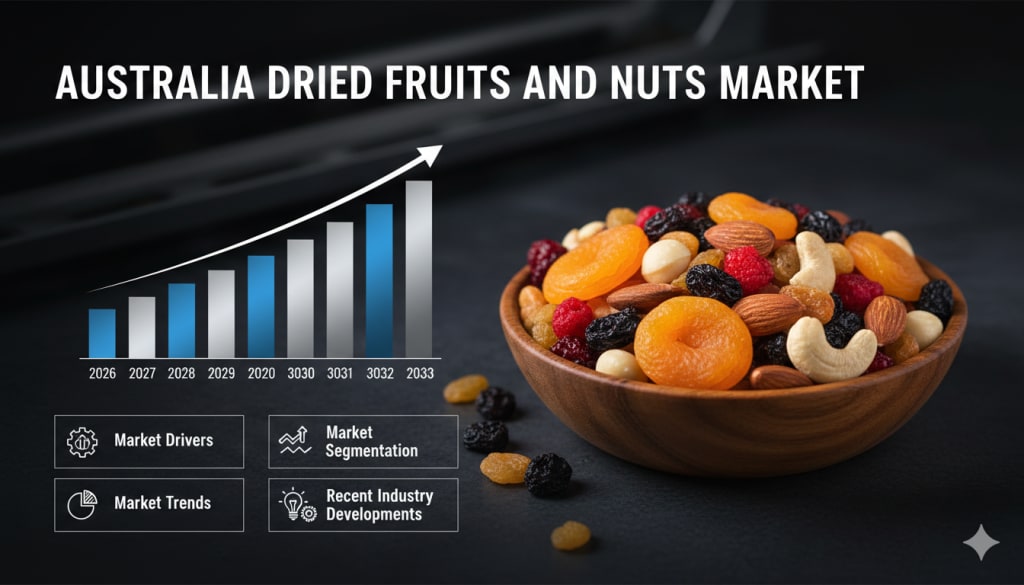
The Australia dried fruits and nuts market has emerged as one of the fastest-growing segments within the broader Australian food and snack landscape. According to the latest market research by IMARC Group, the market was valued at USD 1,359.2 million in 2025 and is projected to grow to USD 2,385.6 million by 2034, achieving a compound annual growth rate (CAGR) of 6.45% during 2026-2034.
This sustained growth trajectory reflects shifting consumer preferences, evolving retail dynamics, and broader health and lifestyle trends. Dried fruits and nuts, traditionally staples in Mediterranean and health-oriented diets, are increasingly adopted by Australian consumers seeking nutrient-dense, convenient snacks. With applications spreading across bakery, dairy, confectionery, cereals, and traditional snacking, the segment presents robust commercial opportunities for producers, distributors, and retail operators alike.
Why the Market Is Growing So Rapidly
1. Rising Health and Wellness Focus
One of the primary drivers behind the market’s expansion is the increasing health consciousness among Australian consumers. Dried fruits and nuts are associated with numerous nutritional benefits, including dietary fiber, essential vitamins, minerals, and heart-friendly fats. As health concerns such as obesity, diabetes, and cardiovascular conditions become more prevalent, consumers are transitioning away from high-calorie, processed snacks toward options perceived as healthier.
This trend is amplified by public awareness campaigns and education about the role of diet in preventive health. Products positioned as low in additives and rich in natural nutrients resonate strongly, particularly among urban adults and parents seeking beneficial snack alternatives for children.
2. Growth of E-Commerce Channels
Digital retail platforms are transforming how Australians shop for food items. The rapid expansion of e-commerce allows consumers to browse diverse dried fruit and nut options, compare prices, and access specialty and premium products with convenience. Subscription-based delivery, personalized recommendations, and bulk-purchase incentives enhance online appeal, driving overall market growth.
E-commerce also enables producers to reach regional and remote customers who previously had limited access to specialized food products. The increasing penetration of smartphones and improved logistics infrastructure further catalyze this shift.
3. Adoption of Plant-Based and Clean-Label Diets
Plant-based diets have gained significant traction in Australia, driven by environmental concerns, animal welfare considerations, and perceived health advantages. Dried fruits and nuts naturally align with these dietary patterns, being plant-derived and nutrient-dense. Clean-label products—free from artificial preservatives and additives—are particularly attractive to these consumers.
This dietary shift influences not only snacking habits but also product formulation in adjacent food segments, as nuts and dried fruits are incorporated into cereals, dairy alternatives, and bakery items.
4. Versatile Application Across Food Categories
The versatility of dried fruits and nuts extends beyond simple snacks. Their incorporation into everyday food categories such as bakery, cereals, confectionery, and dairy expands consumption occasions. Food manufacturers increasingly innovate with ingredient blends that enhance taste, texture, and nutritional profiles, driving incremental demand from commercial buyers and end consumers alike.
5. Consumer Demand for Convenience
Modern consumers value convenience without compromising nutrition. Ready-to-eat dried fruits and nuts fulfill this need perfectly, catering to busy lifestyles and on-the-go consumption. Portion-controlled packs, trail mixes, and pre-blended snack mixes address convenience trends, particularly among working professionals and younger consumers who prioritize time efficiency.
What the Opportunities Are
1. Premium and Organic Product Development
There is a growing appetite for organic, non-GMO, and premium quality dried fruits and nuts. Producers can capitalize on this segment by offering products with verified certifications and sustainable sourcing credentials, commanding higher price points.
2. Expansion of Online Retail Presence
Brands that strengthen their e-commerce footprint can tap into underserved markets across Australia’s vast geography. Digital marketing, direct-to-consumer models, and mobile shopping integrations will be key competitive differentiators in the coming years.
3. Innovation in Snack Formats
Beyond traditional offerings, opportunities exist for trail mixes with customized flavor profiles (e.g., spice blends, superfood combinations), functional ingredients (e.g., protein, probiotics), and convenience packaging that attracts health-conscious consumers.
4. Institutional and Foodservice Segments
Partnerships with cafes, hotels, schools, hospitals, and corporate canteens can boost institutional demand, particularly as dried fruits and nuts are increasingly used in breakfast items, desserts, and snack platters.
5. Value-Added Ingredient Integration
Food manufacturers that incorporate dried fruits and nuts into cereals, nutrition bars, and dairy alternatives can harness cross-segment demand. Co-branding and joint promotions with consumer packaged goods companies can enhance market reach.
6. Geographic Expansion and Export Potential
Although the focus remains domestic, Australian growers and processors can explore export opportunities into Asia-Pacific markets where demand for natural, high-quality snack products is on the rise.
7. Sustainability and Traceability Initiatives
Consumers increasingly value transparent supply chains and sustainability. Investments in traceability technologies and eco-friendly packaging could differentiate brands and drive deeper customer loyalty.
Recent News & Developments in Australia Dried Fruits and Nuts Market
• October 2025: Government and educational institutions in Australia launched a large-scale awareness program promoting the benefits of healthy snacking. The initiative emphasizes incorporating dried fruits and nuts into daily diets to improve balanced nutrition and reduce lifestyle-related diseases, particularly among adolescents. Local health departments reported increased public engagement with nutrition education workshops.
• August 2025: A leading dried fruits and nuts company announced plans to expand its e-commerce capabilities, including enhanced logistics and customer engagement tools. The initiative introduces subscription models and bulk purchase discounts to attract a wider customer base. Investments in digital infrastructure are expected to increase annual online sales by over 20%.
• July 2025: Retail data indicated a substantial rise in online sales of dried fruits and nuts, attributed to increased consumer interest in plant-based diets and convenience-based shopping. Market insights revealed a double-digit year-on-year growth in e-commerce segment revenue, reflecting broader shifts in food purchasing behavior.
Why Should You Know About the Australia Dried Fruits and Nuts Market?
Investors, businesses, and policy makers should pay attention to this market because it aligns with evolving consumer priorities—health, convenience, and sustainability. The steady CAGR highlights durable demand, making it an attractive segment for long-term investment and diversification. Moreover, the integration of these products into broader food systems, combined with technological advancements in retail and production, underscores their strategic importance within the future Australian food economy.
This growth story isn’t just about snacking: it’s a reflection of deeper shifts toward healthier lifestyles and smarter consumption patterns, offering rich opportunities across the value chain.
About the Creator
Rashi Sharma
I am a market researcher.
Keep reading
More stories from Rashi Sharma and writers in Trader and other communities.
Australia Fitness Supplements Market — Growth Fueled by Wellness Trends and Digital Expansion
The Australia fitness supplements market was valued at USD 704.3 Million in 2025 and is forecast to reach USD 1,507.1 Million by 2034, expanding at a CAGR of 8.82% during 2026–2034.
By Rashi Sharma3 days ago in Trader
Diabetic Nephropathy Market Set to Soar to USD 16,750.4 Million by 2035 | CAGR 4.65%
Overview Diabetic Nephropathy Market Diabetic nephropathy is one of the most severe complications of diabetes, characterized by damage to kidney filtration structures and progressive loss of renal function. The rising global incidence of both Type 1 and Type 2 diabetes has significantly increased the at-risk patient population, leading to higher demand for early diagnosis, medication, dialysis, and transplantation services.
By James Smithabout 12 hours ago in Trader
DC Tax Filing 2026: Step-by-Step Guide to Maximize Your Refund/
DC Tax Filing 2026 is an important task for every Washington, DC resident. Filing taxes correctly not only ensures you avoid penalties but also helps you get the maximum refund possible. Many people miss simple opportunities to increase their refund because they don’t plan or track their expenses properly. They will walk you through a step-by-step approach to DC Tax Filing 2026 that is easy to follow and practical. From organizing documents to claiming deductions and credits, these steps will help you file accurately and confidently.
By John.doe798about 18 hours ago in Trader
The Missing Ingredient
The first time I saw her, she was wearing a velvety, red ribbon in her hair. She carried a small leather backpack everywhere. She searched the forest by turning stones, checking beneath shrubs, listening to the wind as if it might carry an answer.
By Imola Tótha day ago in Fiction



Comments
There are no comments for this story
Be the first to respond and start the conversation.