
Australia Building Energy Efficiency Systems Market Accelerates as Sustainability and Smart Tech Adoption Soars
Driven by regulatory standards, rising energy costs and smart building innovations, the Australia building energy efficiency systems market is forecast to grow from USD 8.4 billion in 2024 to USD 28.0 billion by 2033.


The Australia building energy efficiency systems market reached a valuation of USD 8.4 billion in 2024 and is projected to expand to USD 28.0 billion by 2033, exhibiting a robust compound annual growth rate (CAGR) of 12.8% from 2025 to 2033. This anticipated surge reflects Australia’s accelerating commitment to sustainable built environments, widespread integration of smart technologies, and initiatives to reduce operational energy consumption across residential, commercial, institutional and industrial sectors.
Energy efficiency systems encompass a wide array of technologies — from HVAC control systems, lighting control and building energy management systems (BEMS) to renewable energy integration and advanced fire protection and access control systems — that collectively enhance energy performance and lower environmental impact. These systems are central to modern construction and retrofit strategies, aligning energy use with sustainability goals and cost optimisation priorities. Australia’s regulatory landscape and market dynamics create fertile ground for innovation, investment and widespread adoption of efficiency solutions.
Why the Market Is Growing So Rapidly
1. Government Regulations and Policy Mandates
Stringent building codes and national sustainability benchmarks are a cornerstone of Australia’s energy efficiency thrust. For example, updates to the National Construction Code (NCC) and implementation of Minimum Energy Performance Standards (MEPS) require new and existing buildings to meet higher efficiency thresholds. These frameworks compel developers, facility managers and property owners to implement advanced energy systems to comply with evolving benchmarks, driving widespread uptake.
2. Rising Energy Costs and Cost Optimization Pressures
With energy costs remaining high and sometimes volatile, both commercial and residential stakeholders are seeking ways to optimise consumption and reduce long-term operational expenses. This economic imperative — coupled with greater awareness of energy waste — encourages investment in automated systems that intelligently manage demand, such as advanced HVAC controls and smart lighting.
3. Smart Technology Integration
Smart technologies — including IoT sensors, adaptive HVAC controls and occupancy-based energy optimisation — are becoming essential elements of efficiency systems. These technologies enable real-time monitoring and energy analytics, empowering building owners to tailor energy use in response to occupancy patterns, external conditions and performance metrics. This digital transformation is accelerating investment in intelligent systems capable of dynamic energy management.
4. Retrofitting Existing Infrastructure
A significant portion of Australia’s building stock predates modern energy codes, creating strong demand for retrofit projects that upgrade insulation, lighting systems, HVAC units and management platforms. Retrofitting not only enhances building performance but also aligns older structures with contemporary energy standards, extending their lifespan and reducing energy waste across the built environment.
5. Corporate ESG and Sustainability Commitments
Environmental, social and governance (ESG) considerations are increasingly informing business investments and corporate strategy. Organisations across sectors are prioritising energy efficiency to meet sustainability targets, reduce carbon footprints and enhance stakeholder reputation. This has expanded adoption beyond regulatory compliance into voluntary efficiency enhancements that also deliver cost savings and competitive differentiation.
What the Opportunities Are
1. Smart Building Energy Platforms:
Investing in comprehensive energy management software that integrates HVAC, lighting and renewable inputs can provide building owners with real-time optimisation capabilities and predictive analytics.
2. Renewable Energy Integration:
Combining photovoltaic systems, energy storage, and microgrids with efficiency systems can amplify energy self-sufficiency and reduce grid reliance, especially in commercial and institutional buildings.
3. Retrofit Services for Legacy Buildings:
Developing specialised retrofit packages — inclusive of audits, system upgrades and financing — presents a compelling service line for existing infrastructure owners seeking performance gains.
4. IoT-Enabled Predictive Maintenance:
Leveraging IoT sensors and AI for predictive maintenance can reduce downtime and extend equipment life, improving ROI for energy efficiency system investments.
5. Green Building Certifications:
Supporting clients in achieving Green Star, NABERS or similar sustainability ratings via tailored efficiency solutions enhances property value and market competitiveness.
6. Energy Efficiency Financing Models:
Offering innovative financing, like performance-based contracts or energy savings agreements, can lower upfront costs and accelerate market adoption.
7. Workforce Training and Consultancy:
Helping architects, builders and facility managers navigate efficiency standards and technologies through education and consultancy can strengthen market penetration and system implementation quality.
Recent News & Developments in Australia Building Energy Efficiency Systems Market
• March 2025: National policymakers updated mandatory energy performance standards under the National Construction Code (NCC), requiring newly approved buildings to meet higher efficiency criteria for insulation, lighting and HVAC systems. These changes are expected to drive a wave of energy efficiency system upgrades in commercial and residential projects to ensure compliance and secure building certifications.
• July 2025: Several Australian property groups announced multi-million dollar investments in smart building upgrades across major office portfolios, incorporating advanced BEMS platforms, adaptive lighting controls and integrated HVAC optimisation systems. These enhancements aim to meet rising tenant demand for sustainable workplaces while reducing operational costs through smarter energy usage patterns.
• September 2025: Industry reports indicated that energy efficiency system deployments in institutional buildings, including universities and healthcare facilities, grew by double-digit percentages in the first nine months of the year. Smart metering, occupancy sensors and cloud-based control platforms were among the most adopted technologies, helping facilities cut energy waste and align with internal ESG goals.
Why Should You Know About the Australia Building Energy Efficiency Systems Market?
The Australia building energy efficiency systems market is a strategic opportunity at the nexus of sustainability, economic optimisation and technological innovation. With a projected rise from USD 8.4 billion in 2024 to USD 28.0 billion by 2033 at a strong CAGR of 12.8%, this market reflects Australia’s broader transition toward low-carbon infrastructure and smarter built environments.
For investors, the sustained demand driven by policy support, rising energy costs, and retrofit potential offers attractive long-term growth prospects. Businesses that deliver integrated, data-driven solutions can differentiate themselves while contributing to client cost savings and compliance outcomes. Policymakers and urban planners benefit from efficiency systems that reduce national energy consumption, support emissions reduction commitments and enhance resilience across the built environment. As energy performance becomes integral to building value and performance, the Australia building energy efficiency systems market will remain a critical area for innovation, investment and impactful climate action.
About the Creator
Rashi Sharma
I am a market researcher.
Keep reading
More stories from Rashi Sharma and writers in Trader and other communities.
Australia Corporate Wellness Market Set to Expand Significantly Through 2033
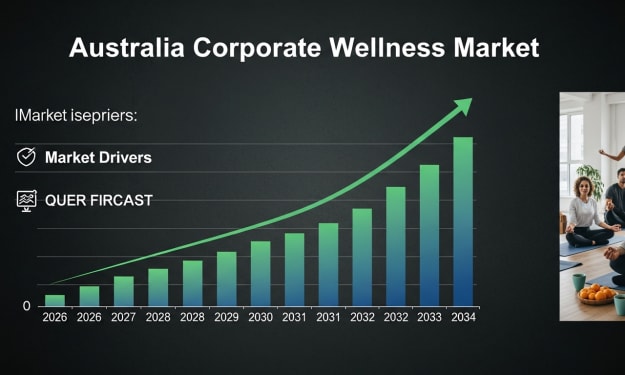
The Australia corporate wellness market achieved a valuation of USD 2.0 billion in 2024 and is forecast to climb to USD 3.6 billion by 2033, representing a compound annual growth rate (CAGR) of 6.30% between 2025 and 2033. This upward trajectory highlights the increasing prioritization of employee health and wellness among Australian organisations, driven by broader workplace wellbeing trends, mental health awareness, and evolving delivery models. As employers strive to enhance productivity, reduce absenteeism, and attract talent, comprehensive wellness initiatives are becoming a staple of corporate strategy rather than optional benefits.
By Rashi Sharmaa day ago in Trader
Global economy trump Greenland
1. Market Volatility: Sharp Swings Amid Geopolitical Risk Global financial markets have been swinging sharply as investors react to renewed geopolitical tensions sparked by President Donald Trump’s continued push for U.S. control over Greenland, a semi-autonomous territory of Denmark.
By USA daily update 7 days ago in Trader


Comments
There are no comments for this story
Be the first to respond and start the conversation.