
Accelerating Sustainability: Implementing Green Fleet Solutions for Today’s Businesses
Driving Environmental Impact and Efficiency Through Modern Fleet Innovation


In the evolving landscape of corporate responsibility, sustainability has become a key focus for modern businesses. One of the most significant opportunities for companies to reduce their environmental impact lies in their vehicle fleets. Fleet operations are often a substantial source of greenhouse gas emissions and fuel consumption. Green fleet solutions enable businesses to lower their carbon footprint, optimize costs, and meet growing regulatory demands.
Green fleet solutions involve a combination of strategies, technologies, and practices to make vehicle operations more environmentally friendly. These include adopting electric and hybrid vehicles, using alternative fuels, improving fleet management, and optimizing operational efficiency. For companies ready to innovate, transitioning to a greener fleet brings environmental and economic benefits.
The Environmental and Economic Imperative for Green Fleets
The transportation sector contributes roughly 25% of global carbon emissions, with commercial vehicle fleets playing a significant role. For businesses managing multiple vehicles, reducing emissions is critical for environmental reasons and maintaining competitiveness. Stakeholders, including customers and investors, increasingly prioritize sustainability in their purchasing and investment decisions.
Government regulations are also tightening, pushing companies to reduce fleet emissions. Many countries have introduced stricter vehicle emissions standards and incentivize businesses investing in clean technology. Proactively adopting green fleet solutions helps companies stay ahead of regulatory changes, avoid penalties, and capitalize on grants or tax credits.
Moreover, green fleets improve operational efficiency, leading to cost savings. Lower fuel consumption, reduced maintenance, and optimized routes contribute to a healthier bottom line. Businesses can enhance their reputation by reducing environmental impact and operational expenses while strengthening financial performance.
Transitioning to Electric and Hybrid Fleets
One of the most impactful steps a business can take is integrating electric vehicles (EVs) and hybrids into fleets. EVs operate with zero tailpipe emissions and can significantly reduce greenhouse gases, especially when charged with renewable energy. Hybrid vehicles combine internal combustion engines with electric motors to improve fuel economy and lower emissions.
Switching to electric or hybrid vehicles requires thoughtful planning. Companies must assess vehicle use cases, such as daily mileage, payload requirements, and charging logistics. Installing charging infrastructure at offices or depots is essential for efficient fleet operation. Planning vehicle rotation and charging schedules minimizes downtime and maximizes productivity.
Although EVs often have higher upfront costs, their lower operating expenses—including reduced fuel and maintenance—usually offset initial investments over time. Additionally, embracing EV technology positions businesses as environmental leaders, boosting brand image and appealing to eco-conscious customers and employees.
Leveraging Alternative Fuels and Advanced Technologies
Aside from electrification, businesses can explore alternative fuels like biodiesel, compressed natural gas (CNG), renewable diesel, and hydrogen. These fuels burn cleaner than traditional gasoline or diesel and can substantially lower emissions.
For example, biodiesel blends can be used in many existing diesel vehicles without modification, providing an easy transition path. CNG vehicles emit fewer pollutants and work well for fleets with predictable routes, while hydrogen fuel cell technology offers zero emissions and fast refueling, though infrastructure is still developing.
In parallel, advanced telematics and fleet management software are critical in green fleet success. These systems track real-time vehicle performance, fuel usage, and driver behavior. Fleet managers can identify inefficiencies such as excessive idling or aggressive driving and implement targeted training or policy changes to improve fuel efficiency and safety.
The synergy between cleaner fuels and innovative technology allows companies to maximize environmental benefits and operational savings.
Optimizing Fleet Operations for Greater Sustainability
Operational improvements often deliver immediate, cost-effective environmental gains. Route optimization software enables planners to design routes that reduce travel distance and fuel consumption. This software considers traffic patterns, delivery time windows, and vehicle capacities to minimize wasted miles.
Additionally, consolidating trips and scheduling deliveries during off-peak hours reduces congestion and emissions. Lower idling times further save fuel and decrease air pollution.
Regular vehicle maintenance is essential for keeping fleets running efficiently. Maintaining proper tire pressure, timely oil changes, and engine tune-ups enhances fuel economy and prolongs vehicle life. Businesses should also consider right-sizing fleets and selecting smaller, fuel-efficient vehicles when appropriate.
Companies create sustainable fleets that cut costs and emissions by combining these operational strategies with cleaner vehicles and fuels.
Addressing Challenges to Green Fleet Adoption
Despite the many advantages, implementing green fleet solutions can present challenges. High initial costs, technological unfamiliarity, and organizational resistance may slow adoption.
Strong leadership commitment is essential to overcoming these hurdles. Clear communication about environmental and financial benefits helps build support within the company. Employee engagement and training promote behavior changes that improve fuel efficiency and safety.
Partnering with specialized vendors and consultants can ease the transition process. These experts guide vehicle selection, infrastructure installation, and compliance with regulations. Phased implementation plans balance operational needs with sustainability goals, making adoption smoother.
Furthermore, businesses should actively seek government incentives. Grants, tax credits, and rebates can substantially reduce capital expenditures for green fleet investments, improving return on investment.
Monitoring Progress and Driving Continuous Improvement
Sustainable fleet management is an ongoing journey rather than a one-time effort. Businesses must establish measurable goals and track key performance indicators (KPIs) such as fuel consumption, emission reductions, maintenance costs, and vehicle utilization.
Fleet management software facilitates data collection and analysis, providing insights for informed decision-making. Regular performance reporting fosters accountability and demonstrates progress to stakeholders.
Transparency through sustainability reports or certifications builds trust with customers, investors, and regulators. It also motivates internal teams to maintain focus on continuous improvement.
Staying current with emerging technologies and industry best practices enables companies to adapt and enhance their green fleet strategies. Peer networks and industry forums provide valuable opportunities for learning and collaboration.
For modern businesses, adopting green fleet solutions is a strategic move that benefits both the environment and the bottom line. Companies can significantly reduce emissions and costs through vehicle electrification, alternative fuels, operational efficiency, and strong leadership. While challenges exist, proactive planning, employee engagement, and external support pave the way for successful implementation. Ultimately, green fleets empower businesses to drive positive change toward a sustainable future.
About the Creator
Gary S Winemaster
Gary S. Winemaster, CEO of NEXIO Power, is a visionary leader in clean energy. With decades of expertise, he drives sustainable transportation & innovation. Wharton alum, athlete, and industry pioneer.
Keep reading
More stories from Gary S Winemaster and writers in Trader and other communities.
Navigating the Green Frontier: Effective Risk Management for Sustainable Business Growth
As businesses strive to align with sustainability goals, risk management becomes essential in navigating the complexities of green business growth. Sustainability offers immense opportunities for innovation, market differentiation, and operational efficiency, but it also introduces new challenges and risks that require strategic planning. With the increasing demand for eco-friendly products and practices, businesses must manage risks related to environmental impacts, financial investments, supply chain disruptions, and changing regulations to achieve long-term success.
By Gary S Winemaster10 months ago in Motivation
Mexico Health and Wellness Market Size to Hit USD 81.6 Billion in 2034 | Grow CAGR by 4.53%
Mexico Health and Wellness Market Overview The Mexico health and wellness market is experiencing significant growth as consumers become more conscious of their physical and mental well-being. The market includes a wide range of products and services such as nutritional supplements, organic foods, fitness programs, wellness tourism, and preventive healthcare solutions.
By Jackson Watsonabout 14 hours ago in Trader
India Fertilizer Market Size and Forecast 2026–2034
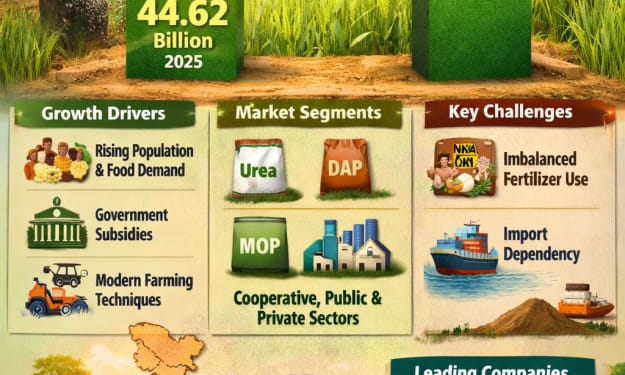
The India fertilizer market is poised for steady and sustainable growth over the next decade, driven by the country’s rising population, increasing food consumption, and the urgent need to enhance agricultural productivity. According to Renub Research, the market is projected to grow from US$ 44.62 Billion in 2025 to US$ 75.96 Billion by 2034, expanding at a Compound Annual Growth Rate (CAGR) of 6.09% during 2026–2034.
By Sakshi Sharmaa day ago in Trader



Comments
There are no comments for this story
Be the first to respond and start the conversation.