
5 Positive signs that recession will hit in 2023
Recession 2023
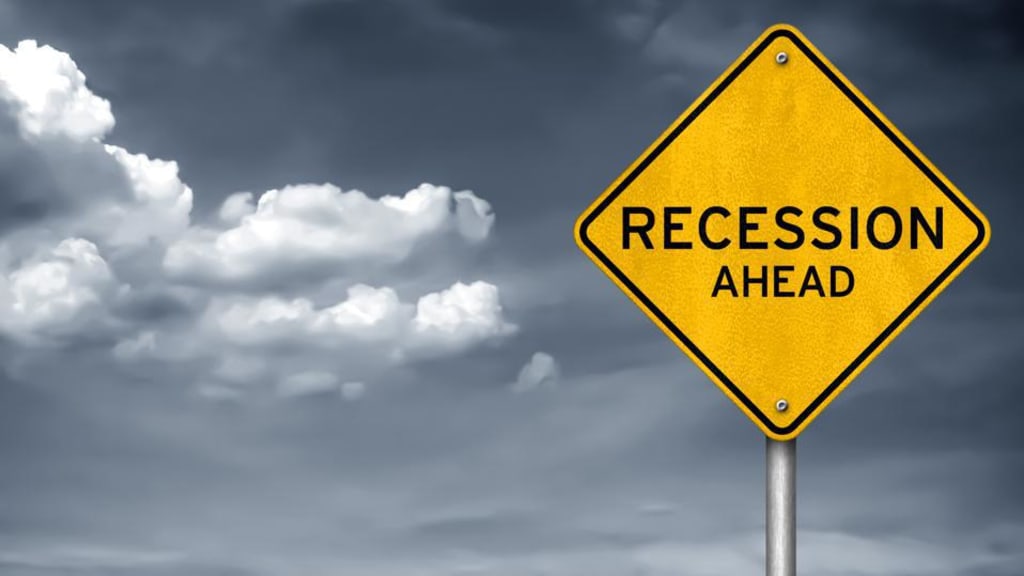
Some signs that economists and analysts typically look for when trying to predict a recession include:
Sign 1: A decline in GDP growth: A sustained period of slow or negative growth in the economy is a key sign of a recession.
A decline in GDP growth is considered one of the key signs of a recession. GDP (Gross Domestic Product) is the total value of all goods and services produced within a country over a specific period of time, typically a quarter or a year. When GDP growth slows or declines, it is a sign that the economy is weakening. A recession is typically defined as two consecutive quarters of negative GDP growth. However, it's important to note that a decline in GDP growth alone doesn't necessarily mean a recession is imminent, as other factors such as a one-time event can cause a temporary decline in GDP. Other indicators such as employment, industrial production, and consumer spending should also be taken into consideration when assessing the overall health of the economy.
Sign 2: A decline in industrial production: A decline in production across multiple industries is a sign of a slowing economy.
A decline in industrial production is considered another key sign of a recession. Industrial production measures the output of manufacturing, mining, and utilities industries. When industrial production falls, it is a sign that businesses in these industries are producing less and may be a sign that they are cutting back on their operations. This can be an indication that demand for their products is weakening, which is a sign that the economy is slowing down. A decline in industrial production can also be a sign of a broader economic slowdown as it can lead to less investment and fewer jobs. However, it's important to note that a decline in industrial production alone doesn't necessarily mean a recession is imminent, as other factors such as changes in technology or supply chain disruptions can also affect industrial production. Other indicators such as GDP growth, employment, and consumer spending should also be taken into consideration when assessing the overall health of the economy.
Sign 3: Rising unemployment: A sustained increase in the unemployment rate is a sign of a weakened economy.
Rising unemployment is considered one of the key signs of a weakened economy, and a key indicator of a potential recession. Unemployment rate is the percentage of the total labor force that is unemployed but actively seeking employment and willing to work. When the unemployment rate increases, it is a sign that more people are out of work and that businesses are cutting back on their operations. This can be an indication that demand for goods and services is weakening, which is a sign that the economy is slowing down. Rising unemployment can also lead to a decrease in consumer spending, which can further weaken the economy. However, it's important to note that a rise in unemployment alone doesn't necessarily mean a recession is imminent, as other factors such as demographic changes or a shift in the types of jobs available can also affect unemployment rates. Other indicators such as GDP growth, industrial production, and consumer spending should also be taken into consideration when assessing the overall health of the economy.
Sign 4: A decline in stock prices: A sustained decline in stock prices can be a sign of a recession.
A decline in stock prices can be a sign of a recession, as it can indicate that investors are becoming more cautious and are pulling their money out of the stock market. When stock prices fall, it can be a sign that investors are losing confidence in the economy and are becoming more risk-averse. A sustained decline in stock prices can be a sign of a broader economic slowdown, as it can lead to less investment and fewer jobs. Additionally, a decline in stock prices can also lead to a decrease in consumer spending and business investment, which can further weaken the economy. However, it's important to note that a decline in stock prices alone doesn't necessarily mean a recession is imminent, as other factors such as changes in interest rates or political events can also affect stock prices. Other indicators such as GDP growth, employment, and consumer spending should also be taken into consideration when assessing the overall health of the economy.
Sign 5: Inverted yield curve : when long-term interest rates are lower than short-term interest rates, is considered a recessionary signal.
An inverted yield curve is a situation where long-term interest rates are lower than short-term interest rates. This is considered a recessionary signal because it is typically a sign of economic weakness in the future. The yield curve is a graph that shows the relationship between bond yields and their maturities. Normally, long-term bonds have higher yields than short-term bonds, because investors demand a higher return to compensate for the longer time they have to wait for their investment to mature. When short-term interest rates are higher than long-term interest rates, it can mean that investors are more concerned about the short-term economic outlook and are less confident about the long-term future. This is why an inverted yield curve is considered a recessionary signal, as it can indicate that investors are expecting weaker economic growth in the future. However, it's important to note that an inverted yield curve alone doesn't necessarily mean a recession is imminent, as other indicators should also be taken into consideration when assessing the overall health of the economy.
It's important to note that these signs don't necessarily indicate that a recession is inevitable, but they are important indicators that should be watched closely.
About the Creator
Kamatchiravi
Trending updates related to current Economy and wealth creation.
Keep reading
More stories from writers in Trader and other communities.
american signature furniture closing shocks shoppers while signaling big changes in retail
american signature furniture closing is making headlines and raising concern across the country. Customers, employees, and retail watchers are asking questions about store shutdowns, job security, and the future of the brand. This article explains what is happening, why it matters, and how both buyers and workers can respond.
By John.doe7987 days ago in Trader
South Korea Automotive Radar Market: Growth Trends, Demands, and Future Outlook 2034
South Korea Automotive Radar Market Overview The South Korea automotive radar market size reached USD 125.0 Million in 2024. The market is projected to reach USD 603.5 Million by 2033, exhibiting a growth rate (CAGR) of 17.05% during 2025-2033. The market is expanding due to the increasing adoption of advanced driver assistance systems (ADAS) and autonomous vehicles. The growing demand for safety technologies and radar system advancements significantly contribute to the South Korea automotive radar market share, boosting its presence across various vehicle segments.
By Kim Soo hyun4 days ago in Trader


Comments
There are no comments for this story
Be the first to respond and start the conversation.