
5 Must-Know Tips Before Moving into a Park Home
5 Must-Know Tips Before Moving into a Park Home

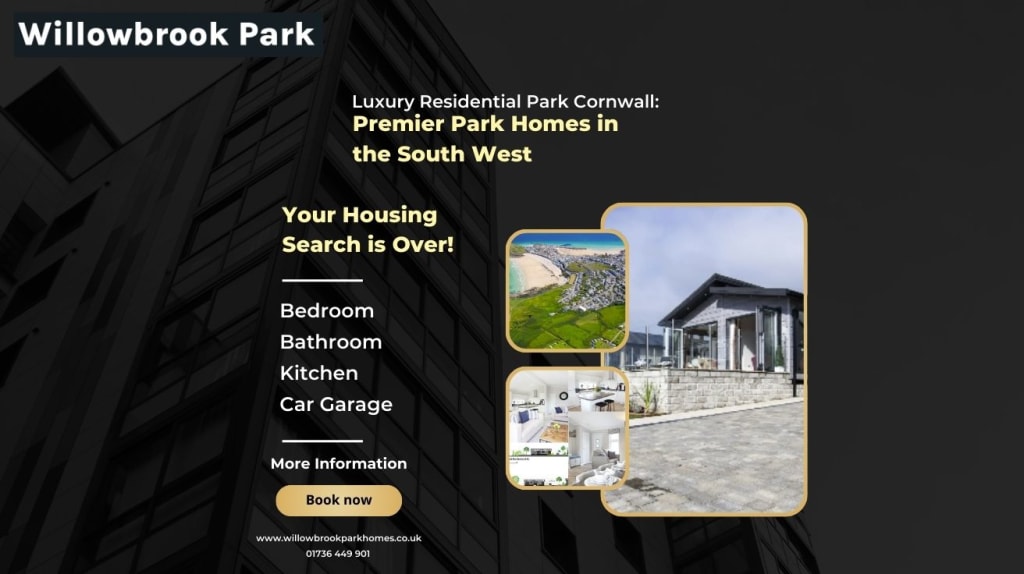
If you're exploring Park Homes for Sale South West, you're not alone. With their blend of comfort, community spirit, and countryside tranquillity, park homes have become an increasingly popular lifestyle choice—especially for retirees and semi-retirees seeking a slower, more enjoyable pace of life. But before you make the leap, it's essential to understand what living in a park home entails.
Whether you're looking for a permanent home or a peaceful getaway, here are five must-know tips before moving into a park home in the South West of England.
1. Understand the Legal Status of Park Homes
One of the first things to grasp is that park homes differ significantly from traditional brick-and-mortar properties, especially in legal terms. Most park homes are sold with a licence to occupy rather than full freehold ownership. This means you're purchasing the home itself, but leasing the pitch it sits on—usually under an agreement governed by the Mobile Homes Act 1983 (as amended).
Before committing to any purchase, make sure you fully understand:
- The terms of the pitch agreement
- Ground rent or pitch fees
- Rules of the residential park (some have age restrictions or pet policies)
- Your rights and responsibilities as a park home owner
If you're buying in a residential park, ensure it holds the proper licences from the local council and that it's a member of industry bodies like the British Holiday & Home Parks Association (BH&HPA).
2. Consider the Long-Term Financials
While Park Homes for Sale South West often appear more affordable than traditional houses, there are a few financial factors to keep in mind:
- Pitch fees: These are monthly fees you’ll pay for the land your home sits on. They can range anywhere from £150–£300 per month depending on location and amenities.
- Council tax: Most park homes fall into Council Tax Band A, making them cost-effective, but it’s important to check with your local authority.
- Utility bills: Some parks have their own systems for electricity, water, and gas which could be more expensive than standard domestic rates.
- Resale value: Unlike traditional properties, park homes don’t usually appreciate in value. They may even depreciate over time, especially older models.
When calculating affordability, consider these long-term costs as part of your budgeting process—not just the upfront purchase price.
3. Choose the Right Location
“Location, location, location” remains just as relevant for park homes as it does for traditional housing. The South West is a stunning part of the UK, boasting rolling countryside, scenic coastal spots, and charming market towns.
When narrowing your search, consider:
- Accessibility to shops, GPs, hospitals, and public transport
- Proximity to family or friends
- Lifestyle needs—do you prefer countryside tranquillity, coastal living, or village charm?
- Safety and security of the park
- On-site amenities like clubhouses, maintenance staff, or communal gardens
A visit to multiple parks in the South West is highly recommended. Talk to current residents, explore the area, and assess the overall atmosphere. Willowbrook Park Homes, for instance, offers a great balance of natural beauty and practical convenience.
4. Inspect the Home Carefully
Just like any property purchase, it's crucial to do your due diligence. Park homes may be new or pre-owned, and the condition of the unit can significantly impact your living experience and future maintenance costs.
Make sure to:
- Get a survey: Ideally, hire a specialist who understands park homes and can assess structural condition, insulation, heating systems, roofing, and the chassis.
- Check compliance: Does the home meet BS 3632 standards for residential use? These standards ensure adequate insulation, ventilation, and weatherproofing.
- Review warranty information: New homes typically come with a manufacturer warranty, while older homes may require third-party coverage.
If buying a previously owned park home, find out about its age, previous maintenance, and any renovations that have been done.
5. Embrace the Lifestyle Shift
Finally, moving into a park home isn’t just a change in property—it’s often a change in lifestyle. Most parks in the South West are geared toward a community-centred, low-maintenance, and more peaceful way of life.
Here’s what to expect:
- A strong sense of community: Many park residents are of similar age and lifestyle, often leading to a friendly, neighbourly atmosphere.
- Lower upkeep: Park homes typically require less maintenance than traditional homes, especially if they’re newer or have been well cared for.
- Simplified living: Downsizing can be freeing, but make sure you’re comfortable with a smaller living space and limited storage.
- Rules and regulations: Most residential parks have site rules to ensure harmony—these might cover noise levels, parking, pets, and the use of communal areas.
If you’re looking to unwind, reconnect with nature, and live at a gentler pace, park home living can be incredibly rewarding.
Final Thoughts
The South West of England offers a compelling backdrop for those exploring Luxury Homes for Sale South West. From the coasts of Cornwall and Devon to the hills of Somerset and Gloucestershire, there's a wide range of locations and communities to choose from.
By understanding the unique elements of park home living—legal considerations, financial planning, location, and lifestyle—you can make a confident, informed decision that suits your needs now and into the future.
Whether you're downsizing, retiring, or just seeking a fresh start in a supportive, beautiful setting, park homes in the South West could be exactly what you're looking for.
About the Creator
Willowbrook Park Homes
Willowbrook Park offers residential park homes in Cornwall, providing a peaceful, modern, and secure lifestyle for the over-45s in a welcoming community.
Keep reading
More stories from Willowbrook Park Homes and writers in Trader and other communities.
The Benefits of Park Home Living: Why Choose a Residential Park?
Park home living is an increasingly popular choice for those seeking a peaceful, community-driven lifestyle. Whether you're looking to downsize, enjoy a more cost-effective way of living, or embrace a close-knit community, residential park homes offer numerous benefits. This article explores why park home living is a great option and how it can enhance your quality of life.
By Willowbrook Park Homes10 months ago in Trader
ivp stock: Small Share, Big Potential for Smart Investors
ivp stock may seem quiet, but it has hidden potential that many investors overlook. While others chase flashy names, ivp stock quietly builds value. In this article, we explain why ivp stock deserves attention, its current strength, and how patient investors could benefit.
By hamza mirzaa day ago in Trader
Are Moving Average Crossover Strategies Good for Beginners?
Moving average crossover strategies are among the most popular entry points into automated and discretionary trading. They are easy to understand, visually clear, and widely available on platforms like MT4 and MT5. However, while they can work well in trending markets, beginners often struggle with them during sideways or ranging market conditions.
By Beirman Capitala day ago in Trader




Comments
There are no comments for this story
Be the first to respond and start the conversation.