
4 Most Common Crypto Scams (And How To Avoid Them)
Crypto scams are everywhere! Learn about what they are and how can you avoid them.

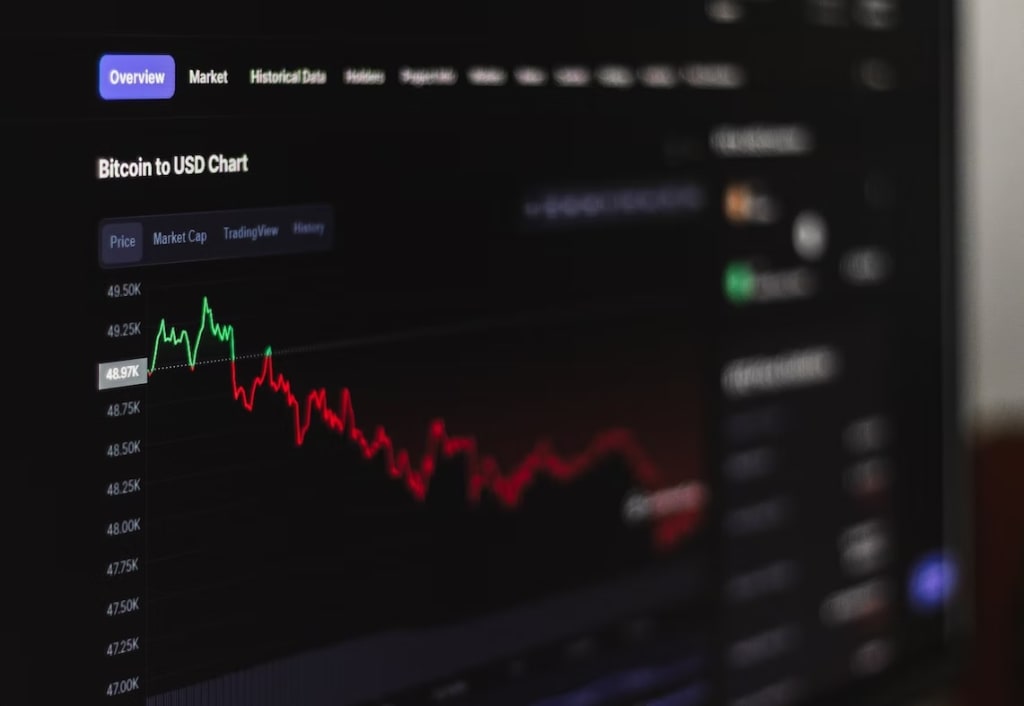
Crypto can be an exciting, dynamic space. Though there are certainly big question marks over how much you want to invest into crypto, given that it’s a highly speculative kind of asset, for those that get bitten by the bug it can be exciting to see how these investments perform in real-time.
There is a problem with crypto, however. As it’s a very poorly regulated space, crypto is rife with scams. For the first time last year, crypto scams cost Americans over $1 billion, and when you consider that the people being scammed are often putting substantial chunks of their life savings into it, it’s easy to see the distress that crypto scams are currently causing.
It is possible to invest in crypto while avoiding scams. Just like it’s possible to learn to avoid emails from Nigerian princes or phone calls from “tech support” telling you that you need to give them access to your computer. In most cases, crypto scams are fairly obvious to people who know what they’re looking for, so the first step in avoiding them is to learn what the common types of scams are.
Common Crypto Scams
There are four common examples of crypto scams, which account for the bulk of losses. You can protect yourself from all four just by knowing what to look for and not fall for their tricks.
Phishing Scam: This occurs when the criminal sends you a link to click on. When you do so you’ll usually be taken to what looks like a legitimate website, which will ask you to put details (such as your crypto wallet and/or passwords) in, like with a legitimate login. However, with this website, you’ll simply be providing the attackers with your details, which they’ll then use to drain your wallet. Phishing scams have been around forever, and target people for access to their bank accounts and other personal details. However, because the crypto community is so heavily engaged on social media and chat platforms like Discord, dodgy links are starting to make a comeback.
The best way to avoid these attacks is to verify the quality of a link before you click on it, and certainly before you enter your details. Look for “https” in the address bar (if there’s no “s” and it’s just “http” then the site is not secure and almost certainly a phishing scam), and then check through the page for spelling errors or fake addresses. If you’re still in doubt, simply don’t input your details.
Crypto ATMs: This scam is a bit of social manipulation. The scammer will contact you and try to convince you that you need to send them money. It might be an investment opportunity, or a promise of romance, or some other kind of return. Then they’ll give you a QR code, which you’ll take to a crypto ATM with cash, deposit the cash into the ATM and scan the code. That code will send the money to the scammer’s crypto wallet, and then you’ll probably not hear from them again.
The rule for avoiding this scam is timeless – don’t give a person money unless you’re sure of their motivations. In practice that can be difficult. Especially if the scammer is playing a longer game, but only trusting people you have a long and proven history with is important.
Pump-and-dump: This kind of scheme usually occurs around the launch of a new cryptocurrency. It’s when a person with a high enough profile buys a lot of a legitimate coin, while also encouraging all their followers to buy big. If the coin goes viral it will appreciate in value quickly, which the scammer will then exploit by selling all their assets for a big profit (and subsequently pulling the price of the coin back down again). It’s a legitimate coin, but people got tricked into artificially boosting its price for the benefit of the scammer alone.
To avoid falling for this scam, simply don’t buy into newer coins. It’s harder to run a pump-and-dumb scheme on established coins. Additionally, no matter how much you like a crypto investor and follow them on social media, be wary when they start recommending specific coins.
DeFi rug pulls: This is perhaps the most dramatic scam of all. A good example here is the Squid Game coin, which launched amid a lot of hype, had its value soar by 310,000 per cent, and then immediately crash to $0 when the creators sold everything and disappeared from the Internet and social media. Anyone caught holding these coins then had tokens worth absolutely nothing.
DeFi rug pulls are different to pump-and-dumps, as the coin itself was the scam. It was never meant to be a long-term investment or a coin to be traded over years. It was always an effort to get a few people to buy tokens, only to disappear with the money before anyone noticed that things were dodgy.
The best way to avoid this scam is to, simply, not invest in new coin launches, no matter how fun or interesting they seem. You might not have the excitement of being in a coin from day one, but it’s better to wait to verify that the coin will be there for the long term before investing in it.
Regulation is coming to crypto, slowly, which will help mitigate the damage from some of these scams, and as that happens crypto’s value as an alternative investment opportunity will continue to grow.
However, just like with banking and other financial services, you also need to take control of your own security with crypto, and make sure, as an investor, you know how to avoid the most common scams.
About the Creator
Jacqui Coombe
Jacqueline Coombe is a freelance writer specialising in business development, marketing and career development content. With 7 years of experience preparing content for a range of industries, she enjoys sharing her expertise with others.
Keep reading
More stories from Jacqui Coombe and writers in Trader and other communities.
Is AfterPay Good For Your Finances?
Afterpay recently held its Afterpay Day event – four days of Buy Now, Pay Later deals and specials, in what is rapidly becoming a highlight on the consumer calendar. Of course, it’s easy to understand the appeal of these services – they let you purchase a product immediately, without relying on lines of credit or loans.
By Jacqui Coombe4 years ago in Trader
Global Furniture Market Size & Forecast 2025–2033
Global Furniture Market Outlook The global furniture market is projected to grow significantly from US$ 662.32 billion in 2024 to US$ 1,038.09 billion by 2033, driven by rising consumer demand for innovative, functional, and sustainable furniture solutions across emerging and developed economies alike. From 2025 to 2033, the market is expected to expand at a CAGR of 5.12%, reflecting structural shifts in lifestyles, housing patterns, and interior design preferences.
By Janine Root 4 days ago in Trader


Comments