
From Boom to Burden: How Overtourism Hit European Cities
Formal / News Style Historic European cities struggle with overcrowding, rising costs, and environmental strain The impact of mass tourism on local communities and urban infrastructure 🔹 Neutral & Informative Economic gains come at a social and environmental cost in Europe’s most visited cities Cities implement policies to manage visitors and protect residents’ quality of life 🔹 Impactful When too many visitors threaten the charm and sustainability of Europe’s urban gems

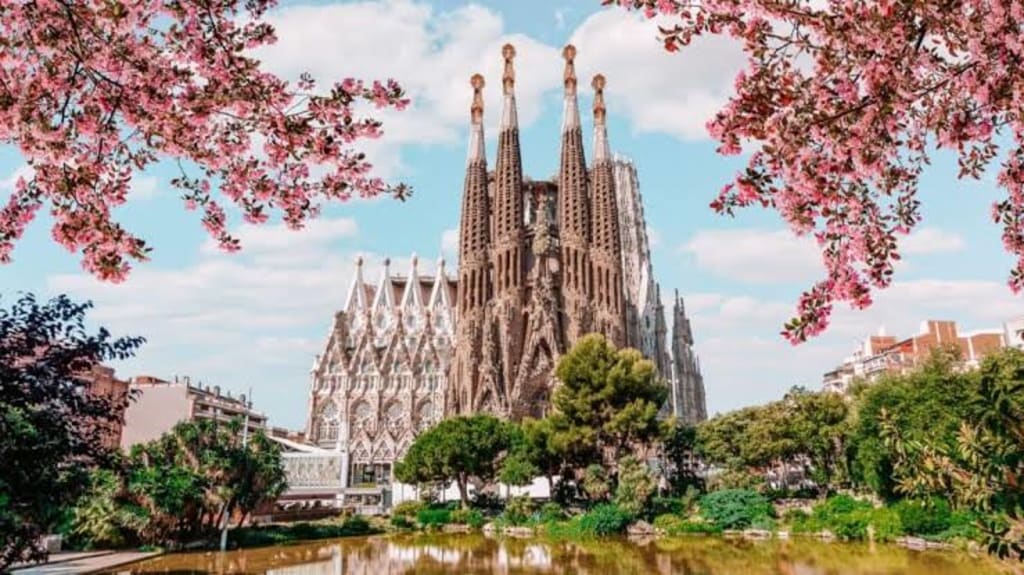
For decades, Europe’s historic cities thrived on tourism, drawing millions of visitors with their architecture, culture, and culinary heritage. Cities like Venice, Barcelona, and Amsterdam became global icons, celebrated for their charm and vibrant streets. But in recent years, the very influx that fueled economic growth has turned into a burden, sparking debates about sustainability, quality of life, and urban resilience.
The Rise of Mass Tourism
The rise of low-cost airlines, online booking platforms, and the explosion of social media has made European cities more accessible than ever. According to the European Travel Commission, international arrivals to major European cities grew by over 50% in the last decade before the pandemic. Visitors flocked to cultural landmarks, historic districts, and local markets, bringing economic benefits to hotels, restaurants, and service industries.
In Venice, for example, the city welcomed more than 20 million visitors annually, compared to a resident population of just 260,000. Barcelona faced similar pressures, with narrow streets and historic neighborhoods inundated by tourists, leading to friction between locals and visitors. Amsterdam reported overcrowding in museums and public transport, with some neighborhoods experiencing daily foot traffic far beyond capacity.
Economic Gains and Hidden Costs
Tourism has unquestionably fueled European economies, providing jobs and stimulating small businesses. Cities leveraged visitor spending to renovate infrastructure and preserve heritage sites. The local economy of Venice, for instance, relies heavily on ticketed attractions, cruises, and souvenir sales, while Barcelona’s hospitality sector employs thousands.
Yet the benefits came with hidden costs. Housing markets have been distorted as short-term rental platforms like Airbnb encouraged landlords to convert apartments into tourist accommodations, pushing locals out. Public services, sanitation, and transportation systems have been stretched to breaking point, while everyday residents struggle with noise, litter, and congestion.
Environmental damage is another concern. Heavy foot traffic accelerates wear on historic structures, and coastal cities like Venice face erosion and rising flood risks intensified by cruise ship emissions. Air pollution and carbon footprints have increased, raising questions about the long-term sustainability of mass tourism.
Policy Responses and Pushback
Local governments have begun to respond. Venice has introduced daily visitor limits and new ticketing systems for popular attractions. Barcelona imposed restrictions on short-term rentals and launched campaigns urging tourists to respect residential neighborhoods. Amsterdam has promoted less crowded cultural sites and encouraged off-peak travel.
However, enforcement remains a challenge. Many cities rely on voluntary compliance, and the pressure to maintain revenue streams can conflict with measures aimed at reducing tourist numbers. Social tensions persist, with residents protesting in public squares and online forums, demanding that tourism be managed rather than left unchecked.
Lessons for Urban Tourism
Experts argue that Europe’s overtourism crisis provides a cautionary tale for global cities. Sustainable tourism policies, equitable distribution of visitors, and investment in local infrastructure are essential. Digital tracking, advance booking systems, and differential pricing can help manage visitor flow while preserving city life.
Additionally, cities are increasingly looking at community-led tourism, where local stakeholders have a say in how neighborhoods are used and how cultural heritage is shared with visitors. Balancing economic gain with livability has become the defining challenge of urban tourism policy.
The Road Ahead
While the pandemic temporarily reduced visitor numbers, the rebound in travel has reignited pressures on European cities. Authorities now face the dual challenge of revitalizing economies dependent on tourism while mitigating the social, environmental, and cultural costs of mass visitation.
The story of Europe’s overtourism is one of transformation — from boom to burden. As cities chart their futures, the lesson is clear: unchecked tourism may yield short-term prosperity, but without thoughtful management, it risks undermining the very attractions that drew visitors in the first place.
About the Creator
Fiaz Ahmed
I am Fiaz Ahmed. I am a passionate writer. I love covering trending topics and breaking news. With a sharp eye for what’s happening around the world, and crafts timely and engaging stories that keep readers informed and updated.
Keep reading
More stories from Fiaz Ahmed and writers in The Swamp and other communities.
Pakistan Extends Airspace Closure for Indian Aircraft Until March 23
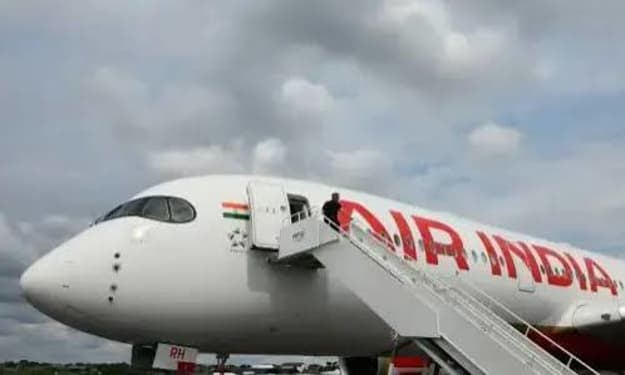
Pakistan has extended the closure of its airspace to all civilian flights originating from or bound for India until March 23, according to a statement from the Pakistan Civil Aviation Authority (PCAA). The decision comes amid ongoing diplomatic tensions between the two countries, affecting commercial aviation, international flight routes, and regional connectivity. The PCAA cited “operational and safety concerns” as the primary reasons for the extension. The closure, which was initially imposed earlier this month, has forced airlines to reroute flights, resulting in longer journey times, increased fuel costs, and logistical challenges for both Indian and international carriers operating in South Asia. Impact on Airlines and Passengers Major carriers, including IndiGo, Air India, and several international airlines, have been significantly affected. Flight schedules have been revised, with planes now taking longer detours over alternative airspaces such as Iran, Afghanistan, and the Arabian Sea. Industry analysts estimate that the rerouting has added an average of 45 to 90 minutes per flight, increasing operational costs for airlines and causing inconvenience for thousands of passengers. Air cargo operations have also been disrupted, affecting the movement of perishable goods, pharmaceuticals, and other time-sensitive shipments. Travelers report confusion over flight schedules and heightened ticket prices due to the limited number of alternative routes. Airlines are working to communicate changes and mitigate delays, but sources warn that continued uncertainty may affect tourism, business travel, and trade between the two countries. Diplomatic Background The airspace closure occurs in the context of long-standing political tensions between Pakistan and India. Officials in Islamabad have previously cited national security concerns, particularly regarding sensitive border regions, as the rationale for restricting Indian flights. Indian officials have expressed concern over the extension, emphasizing the impact on civilian travel and international connectivity. A spokesperson for the Ministry of Civil Aviation in India described the move as “regrettable” but reiterated that airlines are adapting to ensure continuity of service for passengers. International Aviation Response International organizations, including the International Civil Aviation Organization (ICAO), are monitoring the situation closely. ICAO guidelines emphasize the need for safe and predictable airspace management, and both Pakistan and India are expected to coordinate to minimize disruptions to international flights. Global carriers are adjusting flight plans and contingency measures to navigate the extended closure. Analysts note that while rerouting adds costs and complexity, the safety of aircraft and passengers remains the overriding priority. Regional Economic Implications Airspace closures not only affect passenger travel but also have broader economic consequences. Increased flight times lead to higher fuel consumption, elevated ticket prices, and potential delays in cargo delivery. Business sectors that rely on timely air transport — including trade, tourism, and manufacturing — are particularly vulnerable. Experts warn that prolonged disruptions could influence bilateral trade volumes, investment flows, and regional connectivity initiatives. Airlines are urging both governments to resume normal air traffic as soon as possible to avoid long-term economic fallout. Potential for Resolution While the PCAA has not indicated conditions for lifting the closure before March 23, officials have suggested that ongoing diplomatic consultations may influence the timeline. Both countries have historically used airspace restrictions as part of broader security and policy negotiations, and analysts expect any change to reflect shifts in the political or security environment. Meanwhile, airlines and international observers are preparing contingency plans in case the closure is extended further. Regional aviation authorities are coordinating to ensure that rerouted flights maintain safety standards and minimize disruption to passengers. Conclusion The extension of Pakistan’s airspace closure to Indian aircraft underscores the persistent tension between the two countries and highlights the vulnerability of regional aviation to political developments. As travelers, airlines, and regulators adapt to the new reality, international observers stress the importance of diplomacy and cooperation to ensure the safe and efficient movement of passengers and goods across South Asia.
By Fiaz Ahmed a day ago in The Swamp
Why Black History Matters in America?
The United States of America is celebrating their 250th anniversary in 2026. I'm proud to be an American and as someone who was born here, I wouldn't imagine myself living anywhere else. This is a country where opportunities are possible. Where anyone can be successful in anything they desire to do. Equality, community, and togetherness are the backbones of what America is and should be about. However, we have an administration who wants to erase and disregard those who have made positive, meaningful impacts in our country, specifically Black figures, such as Martin Luther King, Jr., Rosa Parks, and Maya Angelou. President Trump and his administration have been constantly complaining and fighting against what they call the "Woke agenda". They use this excuse as a distraction from other issues they refuse to address, such as the high cost of living, climate change, and inflation. That equality is dividing America, when in reality, it's bringing us together. Being woke is not tied to a specific political party. No matter where you stand on the political spectrum, you can still care about other people and their plights. Compassion and empathy for others isn't tied to a political party, either. We were taught as children to treat others the way we want to be treated and not judge others because they're different from us. Caring about others isn't a personal attack on your beliefs. It doesn't make you any less of a person. People who are easily offended over African American figures, past or present, or anything related to it, are grasping at straws. Current and future generations need to know who people like Harriet Tubman and Shirley Chisholm were, especially in the classroom. Black History is part of American History. It should be recognized, not hidden or forgotten. Besides, you can't shield children from everything, just because your feelings are easily hurt.
By Mark Wesley Pritchard 19 days ago in The Swamp
The Protection-of-Innocence Reciprocity Doctrine
Core Moral Premise The highest duty of any legitimate social order is the protection of innocent life. Innocent life has absolute moral primacy. Any system that systematically insulates predators, tolerates predatory asymmetry, rewards hypocrisy, or allows aggressors to retain insulation has inverted its purpose and forfeited legitimacy. Truth, justice, reciprocity, humility, mercy, forgiveness, and vertical accountability are structural necessities rather than optional virtues. Vertical accountability means recognition of and submission to a moral law higher than oneself. Authority must flow toward those who most consistently demonstrate sustained competence in moral and epistemic discipline. This competence is shown through observable conduct and trajectory over time, not through doctrinal label, tribal identity, credential alone, or self-profession.
By Peter Thwing - Host of the FST Podcast30 minutes ago in The Swamp



Comments
There are no comments for this story
Be the first to respond and start the conversation.