
Women of Pakistan: Breaking Barriers, One Voice at a Time
Highlighting the Courage, Achievements, and Rising Influence of Pakistani Women in a Changing Society

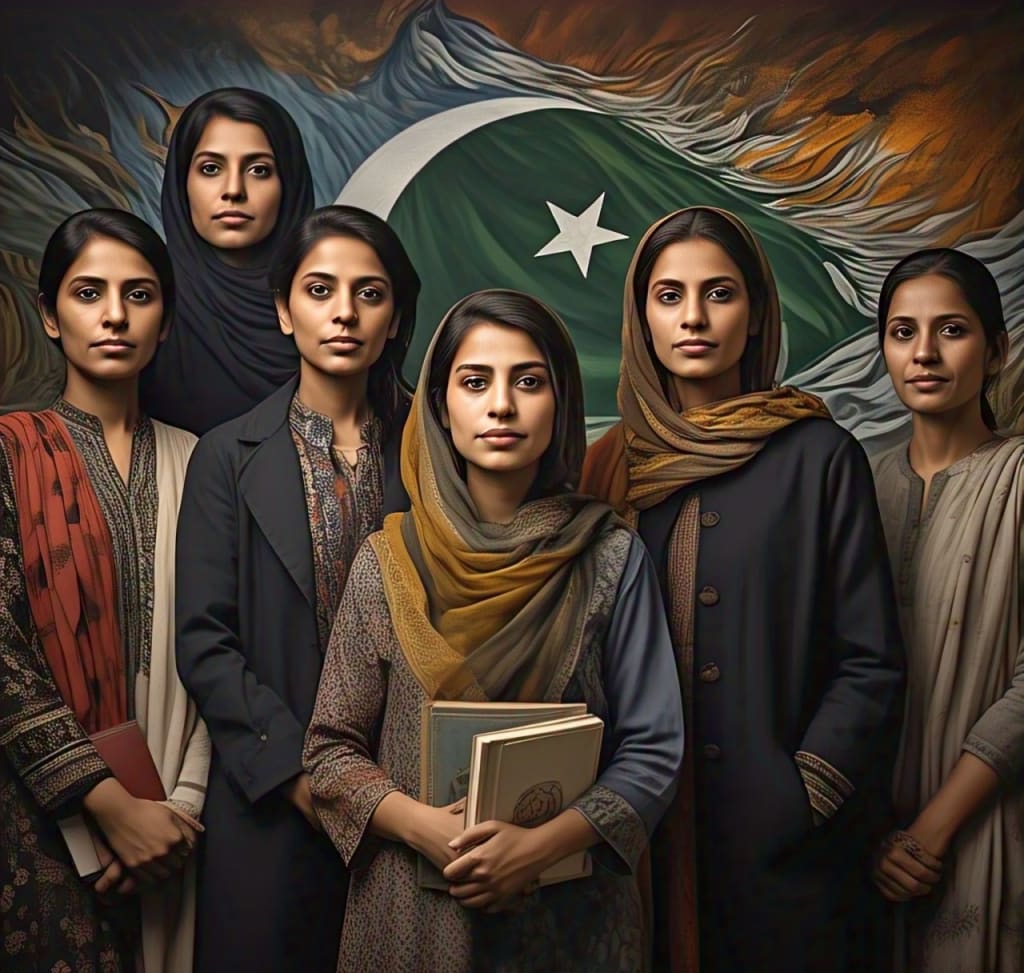
In a country steeped in tradition and shaped by deep-rooted cultural norms, Pakistani women have long fought for space, recognition, and freedom. From education and politics to sports, media, and entrepreneurship, women across Pakistan are stepping into new roles and reshaping the nation’s narrative. They’re not just participating—they're leading. One voice at a time, they’re breaking barriers, challenging expectations, and demanding change.
A Legacy of Strength
The story of Pakistani women is not just one of struggle—it’s one of resilience. Even in the early days of the nation’s history, women played key roles. Fatima Jinnah, the sister of Pakistan’s founder, was a strong political figure and a symbol of resistance during military rule. Since then, the torch has passed to countless other women who have stood tall against social and political obstacles. In 1988, Benazir Bhutto became the first woman to lead a Muslim-majority nation as Prime Minister of Pakistan. Her election was not just a political milestone; it was a powerful statement that women can and should lead.
Education: The First Frontier
One of the biggest barriers Pakistani women have faced is access to education. While progress has been made over the decades, rural and conservative areas still lag behind. But despite the odds, Pakistani girls are continuing to fight for their right to learn. Malala Yousafzai, perhaps the most internationally recognized Pakistani woman, became a global icon after surviving an attack by extremists for her advocacy of girls’ education. Her courage sparked a global movement and inspired countless young girls across Pakistan to pursue their education, no matter the cost. Today, Pakistan is home to a growing number of female scholars, doctors, engineers, and academics who are changing their communities from the inside out.
Women in the Workforce
The economic participation of women is steadily rising. Female entrepreneurs are launching startups, running small businesses, and making waves in sectors like fashion, tech, and food services. Organizations like Kaarvan Crafts Foundation and SheMeansWork are helping women in rural areas and urban centers gain economic independence. In cities, women are also entering fields traditionally dominated by men, including finance, journalism, law, and tech. Platforms like WomenInTechPK are amplifying their voices and providing resources for networking and mentorship.
Voices in Media and Activism
Pakistani women are also using media—traditional and digital—to raise awareness, tell stories, and demand justice. Social media has become a powerful tool for women to organize, speak out, and mobilize movements like #MeToo and #AuratMarch. The Aurat March, held annually on International Women’s Day, has become a national platform for women’s rights. Though it has faced backlash, it has also sparked critical conversations about gender roles, workplace harassment, reproductive rights, and domestic violence. Voices like those of authors Bina Shah and Kamila Shamsie, filmmaker Sharmeen Obaid-Chinoy, and journalists like Asma Shirazi are pushing boundaries and telling stories that challenge the status quo.
In Sports and Beyond
Women in Pakistan are also redefining what it means to be strong—literally. From cricket and boxing to mountain climbing and martial arts, female athletes are making their mark. Sana Mir, former captain of the national women’s cricket team, has been a role model for aspiring sportswomen across the country. Samina Baig, the first Pakistani woman to climb Mount Everest, shattered stereotypes about what women can achieve. Their achievements send a clear message: women belong everywhere, including on the field, on the mountain, and in the ring.
The Road Ahead
Despite progress, the road ahead is still long. Issues like gender-based violence, honor killings, and wage inequality continue to challenge women across Pakistan. But there is momentum. The voices are growing louder, the networks are growing stronger, and the resistance is becoming bolder. Change doesn’t happen overnight, but it is happening—one story, one step, and one voice at a time.
Pakistani women are no longer waiting for permission. They are claiming their rights, shaping their futures, and rewriting the narrative of what it means to be a woman in Pakistan. Their journey is far from over, but their courage and determination light the way for generations to come.
About the Creator
aadam khan
I am publishing different stories
Keep reading
More stories from aadam khan and writers in Styled and other communities.
BMW – The Ultimate Driving Machine
When it comes to luxury cars, one name stands out among the best – BMW. For decades, BMW has been the dream of car lovers worldwide. From smooth city rides to thrilling highway speeds, BMW delivers an unmatched experience that combines style, power, and technology. But what makes BMW so special? Why is it called “The Ultimate Driving Machine”? Let’s explore.
By aadam khan7 months ago in Styled
Why Do Burmese Curly Bob Wigs Get A Hit?
Let me holler at my sistas real quick: If you’ve been in the wig game for a minute, you know not all units are created equal. I’ve cycled through synthetic wigs that tangled after two wears, Brazilian hair that shed like crazy, and lace fronts that gave me a headache from all the glue. But then I tried a Burmese curly bob wig—and honey, it was a game-changer. These days, every time I link up with my girls, half of us are rocking Burmese curly wig styles, and for good reason. Let’s break down why so many of us are obsessed with Burmese curly bob wigs, straight from someone who’s made them my go-to for work, dates, and everything in between.
By manman zhai7 days ago in Styled
Eid Dressing Made Easy: Sharara Suits That Feel Light All Day
Eid is a long, beautiful day. From morning prayers and family visits to afternoon meals and evening gatherings, you’re on your feet, moving around, meeting people, and celebrating. That’s why, in 2026, women are choosing outfits that don’t just look festive, they feel easy from morning to night. And that’s exactly where sharara suits come in.
By Amit Mandal6 days ago in Styled



Comments (1)
It's great to see Pakistani women making such strides. The fight for education has been tough, but Malala's story shows what one brave voice can do. In the workforce, it's awesome they're getting more involved. Do you think this progress will lead to even more changes in how society views and treats Pakistani women? I remember when I first heard about Malala. It really made me realize how important education is everywhere. And seeing women starting businesses is inspiring too. How do you think we can support this kind of growth even more?