
Which Type of Bra is Good for Health and Well-Being?
Importance of Wearing the Right Bra
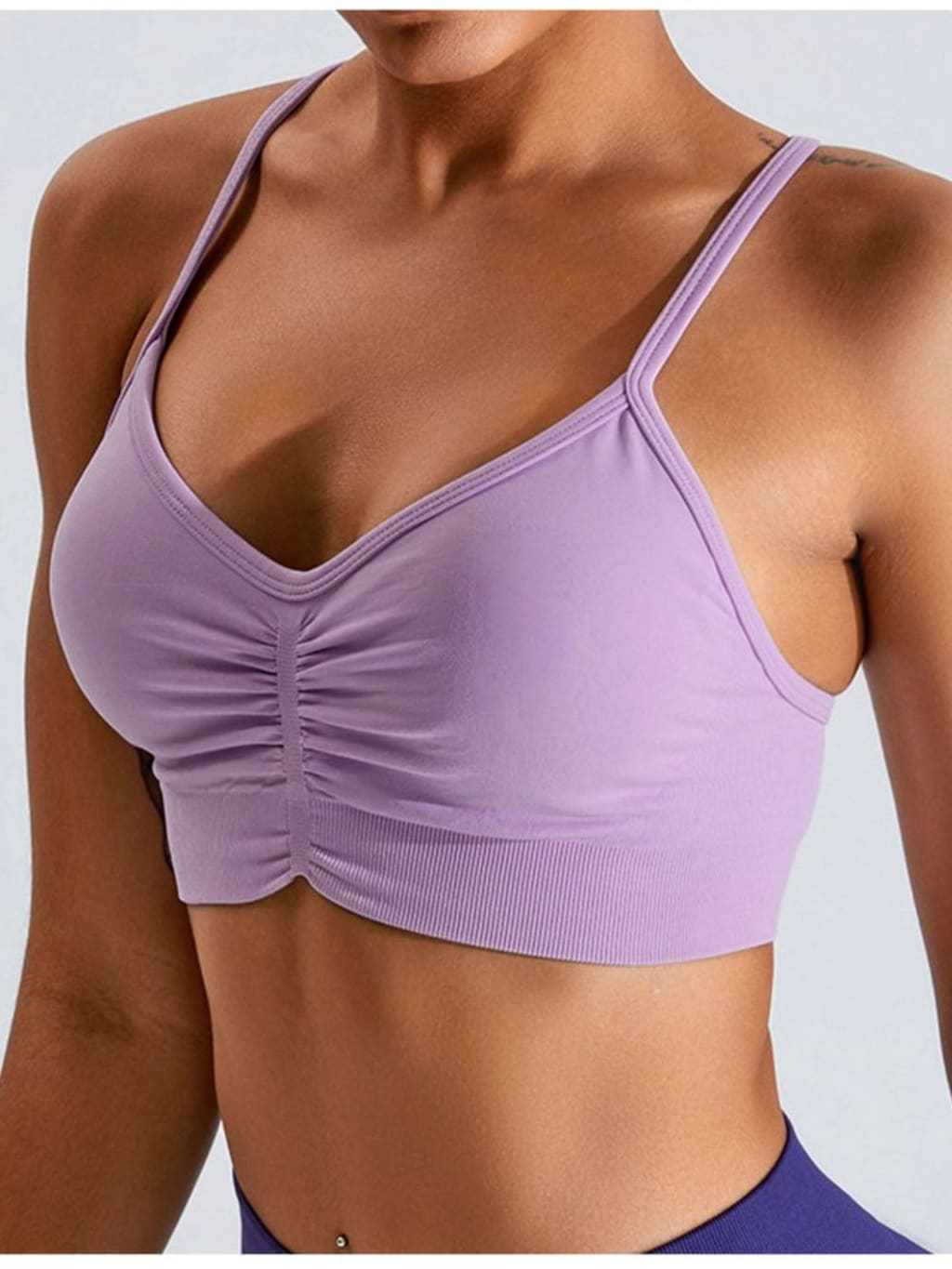
Wearing the right bra is essential for maintaining breast health, ensuring comfort, and improving posture. The wrong bra can lead to discomfort, pain, and even long-term health issues. In this guide, we’ll explore the best types of bras for health and well-being and provide useful tips for choosing the right fit.
Importance of Wearing the Right Bra
A well-fitted bra offers several benefits:
Prevents discomfort and pain in the shoulders, neck, and back
Supports proper posture by distributing breast weight evenly
Reduces skin irritation and chafing
Promotes better blood circulation and lymphatic drainage
Enhances confidence and overall comfort throughout the day
Wearing the wrong bra can result in poor posture, restricted blood flow, and premature breast sagging. That’s why selecting the right type is crucial.
Best Bra Types for Health and Well-Being
1. Non-Padded, Wire-Free Bras
These bras provide gentle support without compressing breast tissue or restricting circulation. They are ideal for everyday wear, especially for those who prefer lightweight and breathable options. Cotton or moisture-wicking fabrics are best for keeping the skin cool and comfortable.
2. Sports Bras
Sports bras minimize breast movement during exercise, reducing strain and discomfort. They are particularly beneficial during physical activities such as running, yoga, and gym workouts. High-impact sports bras are recommended for intense activities, while low-impact options work well for yoga or walking.
3. Full-Coverage Bras
These bras provide maximum support and coverage, making them ideal for women with larger busts. They help distribute weight evenly, improving posture and preventing shoulder strain. Choosing wide straps and a broad under-band enhances support and comfort.
4. Maternity and Nursing Bras
Specially designed for pregnancy and postpartum, these bras accommodate breast changes while offering comfort and easy breastfeeding access. Soft, stretchable fabric and drop-down cups make them practical choices for expecting and nursing mothers.
5. Sleep Bras
Sleep bras offer light support while sleeping, reducing breast discomfort and sensitivity. They are especially useful for women with tender breasts or those who prefer a gentle fit at night. Opting for wire-free, breathable fabrics ensures a comfortable rest.
6. Bralettes
Bralettes provide light support without wires, padding, or tight elastic, making them a great option for casual and relaxed wear. Lace or cotton bralettes offer both style and comfort for everyday use.
Tips for Choosing a Health-Friendly Bra
Measure Your Size Accurately: Use a bra size chart to find the right fit and avoid bras that are too tight or loose.
Choose Breathable Fabrics: Cotton and moisture-wicking materials help prevent sweat buildup and skin irritation.
Avoid Tight Underwires: If underwire bras feel uncomfortable, opt for wire-free alternatives.
Replace Bras Regularly: Over time, bras lose elasticity and support. It’s best to replace them every 6-12 months.
Listen to Your Body: If a bra leaves marks, causes pain, or restricts movement, consider switching to a more comfortable option.
Final Thoughts
Your bra choice significantly impacts your health and well-being. Whether you prefer non-padded, full-coverage, or sports bras, the key is to prioritize comfort, fit, and fabric. Always measure your size accurately and select designs that suit your lifestyle.
By choosing the right bra, you can enhance both your comfort and overall well-being.
About the Creator
Happy Polka Dot Day
Happy Polka Dot Day! So, this is celebrated every year on January 22nd for Disney’s stars – Mickey & Minny Mouse. In 1928, Minny Mouse’s first appearance was in a black and white dot dress. Since then, this print has been iconic and has appeared in fashion and accessories.
By Lynne Black5 days ago in Styled
Why Formal Dresses Remain a Core Wholesale Category
In an industry driven by trends and seasonality, some fashion categories consistently deliver strong performance year after year. Formal dresses are one of those essentials. From weddings and galas to proms and corporate events, formalwear serves a wide range of occasions. For retailers and resellers, sourcing bulk formal dresses remains a dependable and profitable wholesale strategy.
By Style Sparks6 days ago in Styled
🅼🅸🅳🅽🅸🅶🅷🆃 🆂🅽🅰🅲🅺🆂
"It's 10 in Tuscon! We all know what that means... It's Time for Midnight Snacks with your man, Gerald Gee! Ready to spend the night together? Me too! I'm full of snacks and can't wait to regurgitate them all back into your hungry ears. Crack a brew! Pop some corn! Anything to get ready for one hell of a show where the talk maybe cheap but the words cut deep...
By Lamar Wiggins5 days ago in Fiction


Comments
There are no comments for this story
Be the first to respond and start the conversation.