
Which Season Is Suitable For Burmese Curly Wig
From Spring Breeze to Winter Warmth: Burmese Curly Wig Seasonal Guide

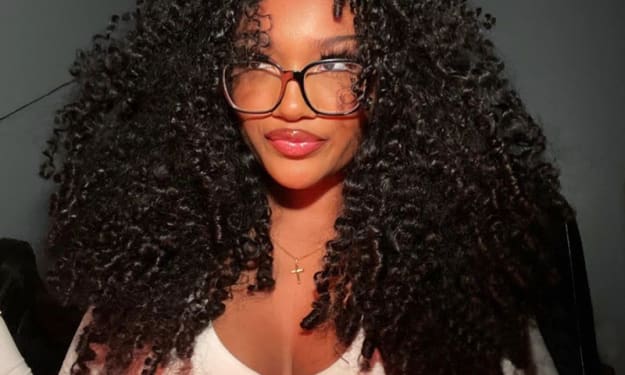
Burmese curl wigs (typically those with naturally curly, lightweight hair) are highly adaptable to seasonal wear. Their core compatibility depends on the wig's material (human hair/synthetic) and the breathability of the curl design, rather than being restricted to a single season. The following analysis provides seasonal compatibility, precautions, and matching recommendations to help you choose more accurately:
1. Core Suitable Season: Spring and Autumn (Preferred)
Spring and autumn boast mild temperatures (around 10-25°C) without extreme high or low temperatures, making them the "golden season" for Burmese curl wig. Their key advantages include:
Temperature Compatibility
They don't feel stuffy in the summer heat, nor do they require heavy, warm clothing like in winter. (Burmese curls are typically medium-short or medium-long, fluffy but not oppressive.) They offer daily comfort and require no frequent adjustments. Breathability Match
The inherently undulating texture of Burmese curls allows for better airflow than straight wigs or densely curled hair (such as wool curls). In the breezy spring and autumn weather, sweat buildup on the scalp is prevented, reducing acne and itching.
Various Styling Options
Spring and autumn offer a wide variety of styles (windbreakers, sweaters, shirts, hoodies, etc.). The natural, relaxed feel of Burmese curls is suitable for casual wear, commuting, and dating. For example, it can look energetic with a denim jacket or retro with a suit jacket, offering a wide range of styling options.

II. Suitable Season: Summer (Select the Right Material and Care Required)
Summer temperatures can cause perspiration. If choosing a Burmese curl wig, pay close attention to the breathability of the material and the wearing details, as otherwise, it may affect comfort. Specific recommendations:
Prefer glueless "human hair" materials. Human hair has similar moisture absorption and breathability to your own hair, making it less sticky after sweating.
Glueless wigs are more breathable, convenient, and easy to install and remove. Pitfalls to avoid: Avoid choosing Burmese wigs with thick, synthetic hair, as they can cause sweat and odor in the summer.
Length Recommendation: Short to medium is better than long.
Long Burmese wigs (waist-length or above the chest) increase the weight on the head and can easily cling to the neck and back, exacerbating the feeling of stuffiness. Short to medium length wigs (shoulder-length or clavicle-length) are lighter and easier to pair with sun hats and headbands, achieving both styling and cooling.
Care Tips:
In the summer, it is recommended to gently wipe the base of the wig with clean water (or wig conditioner) after wearing it daily to remove any residual sweat. If you sweat a lot, apply a small amount of oil-free talcum powder to your scalp (not your hairline) before wearing to reduce stickiness.
3. Suitable Season: Winter (Warmth + Anti-static Needed)
Due to the low temperatures and dry weather of winter, the "fluffy" feel of a Burmese curl wig can add visual warmth to the head, but issues with warmth retention and static electricity need to be addressed:
Warmth Supplement
Burmese curls are mostly single-layered. If the outdoor temperature drops below 5°C in winter, wearing them directly may cause a chill on the scalp. It is recommended to wear an ultra-thin thermal wig (choose a skin-colored, breathable style to avoid bulk) under the wig, or a knitted hat or beret over it for warmth and added dimension to the look.
Anti-static Treatment
Due to the dry winter air, Burmese curls are prone to static electricity, causing frizz, tangles, and even sticking to clothing (especially wool coats and down jackets).
Solutions: ① Spray your hair with a wig-specific anti-static spray; ② Choose human hair (human hair produces far less static electricity than synthetic hair); ③ Avoid using plastic combs for combing; use wide-toothed wooden or silicone combs instead. Style Compatibility: Winter outfits tend to be heavier (down jackets, tweed coats), and the fluffy curls of Burmese curls can balance out the heaviness and avoid a dull look. For example, pairing a turtleneck sweater with short Burmese curls can create a smaller, more lively look.
About the Creator
The Gold Chain Has Become Britain's Most Personal Accessory
She stood at the bar in a south London pub on a Friday evening, her collarbone stacked with five chains of varying lengths, each one catching the light differently as she laughed. One was delicate, barely visible. One was thick and flat, sitting heavy against her chest. Another carried a small pendant, a tiny crescent moon, swinging gently with every movement.
By CurlsAndCommas3 days ago in Styled
How to Accessorize Evening Dresses for a Polished and Elegant Look
An evening dress often becomes the centerpiece of a formal outfit, but the right accessories are what complete the look. Even the most beautifully designed dress can feel unfinished without thoughtful styling.
By BTK COLLECTIONabout 17 hours ago in Styled


Comments
There are no comments for this story
Be the first to respond and start the conversation.