
What to Check Before Buying Linen Wholesale
Linen Fabric wholesale

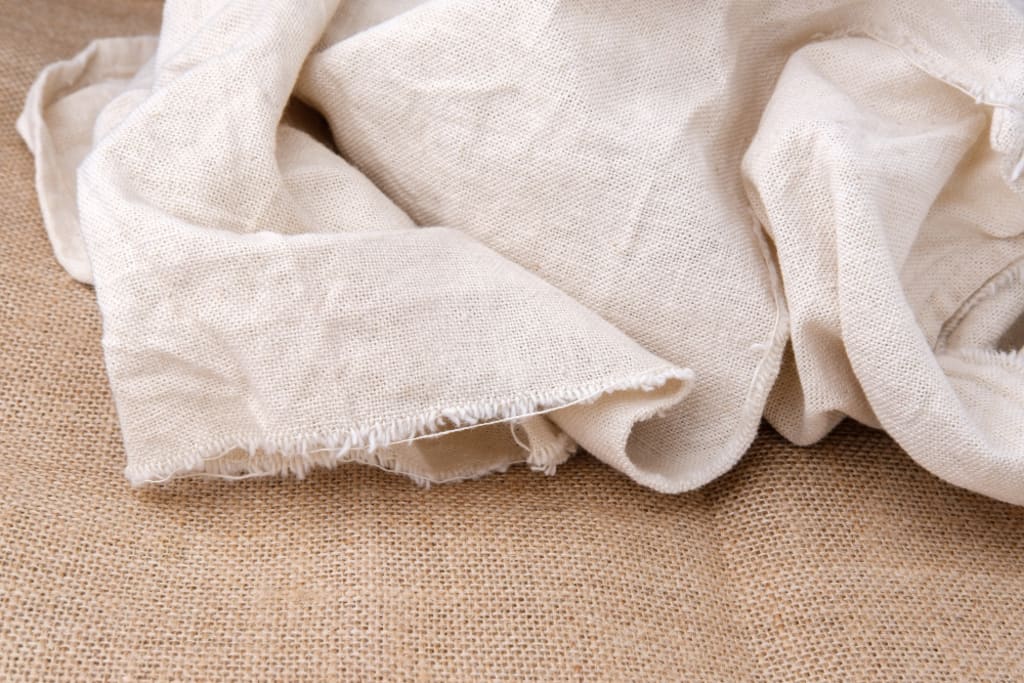
Linen fabric has become a staple in fashion and home décor markets. Its natural breathability, durability, and timeless appeal make it a smart choice for businesses looking to expand their product lines. However, buying linen fabric wholesale requires careful consideration to ensure you get quality materials at competitive prices.
This guide covers the essential factors you need to evaluate before making your wholesale linen purchase. From quality assessments to supplier verification, these insights will help you make informed decisions that protect your investment and satisfy your customers.
Essential Quality Checks for Linen Fabric
Quality determines everything in wholesale fabric purchasing. Poor-quality linen can damage your brand reputation and lead to costly returns. Focus on these three critical quality indicators:
Weave Structure and Consistency
Examine the weave pattern closely. High-quality linen fabric displays uniform weaving with consistent thread spacing. Look for tight, even weaves that won't unravel easily during manufacturing or washing. Loose weaves indicate inferior quality and may result in fabric distortion over time.
Check for irregular threads or knots within the weave. Premium linen fabric maintains consistent thread thickness throughout the material. Variations in thread size create weak points that compromise fabric durability.
Fabric Weight and Density
Linen fabric weight affects drape, durability, and end-use applications. Lightweight linens (120-180 GSM) work well for summer clothing and curtains. Medium-weight options (180-300 GSM) suit most apparel applications. Heavy linens (300+ GSM) are ideal for upholstery and home furnishings.
Test fabric density by holding it up to light. Quality linen allows some light transmission while maintaining opacity. Extremely thin areas or holes indicate poor manufacturing standards.
Fiber Length and Strength
Long flax fibers produce superior linen fabric with better strength and smoother texture. Short fibers create rougher, weaker fabric prone to pilling and breakdown. Pull gently on the fabric edges to test fiber strength. Quality linen resists tearing and maintains structural integrity under stress.
Supplier Reputation and Reliability
Your supplier choice directly impacts product quality, delivery schedules, and long-term business success. Research potential suppliers thoroughly before committing to large orders.
Manufacturing Experience and Capabilities
Partner with suppliers who specialize in linen fabric production. Look for companies with at least five years of manufacturing experience and established quality control processes. Request samples from multiple production batches to assess consistency standards.
Verify manufacturing capabilities match your requirements. Some suppliers excel at basic linen production but lack capacity for specialized finishes or custom colors. Others offer comprehensive services including dyeing, printing, and finishing treatments.
Client References and Reviews
Contact existing clients to gather firsthand feedback about supplier performance. Focus on delivery reliability, quality consistency, and customer service responsiveness. Reliable suppliers provide client references willingly and maintain transparent communication throughout the ordering process.
Check online reviews and industry forums for additional insights. Pay attention to recurring complaints or praise patterns that indicate supplier strengths and weaknesses.
Pricing Structure and Minimum Orders
Understanding wholesale pricing helps you negotiate better deals and budget accurately for your fabric needs.
Price Per Yard vs. Volume Discounts
Most linen fabric suppliers offer tiered pricing based on order quantities. Compare price points across different volume levels to identify the most cost-effective order size for your business. Factor in storage costs and cash flow requirements when determining optimal order quantities.
Request detailed pricing breakdowns that include fabric cost, shipping, duties, and any additional fees. Hidden costs can significantly impact your final per-yard price and profit margins.
Minimum Order Quantity Requirements
Wholesale suppliers typically require minimum order quantities (MOQ) ranging from 50 to 1,000 yards per color or style. Higher MOQs often unlock better pricing but require larger upfront investments.
Negotiate MOQ terms that align with your business needs. Some suppliers offer mixed-color orders or seasonal flexibility to help smaller businesses meet minimum requirements while maintaining inventory variety.
Certifications and Quality Standards
Industry certifications provide third-party verification of fabric quality, safety, and production standards.
Oeko-Tex Standard 100
This certification ensures linen fabric meets strict limits for harmful substances. Oeko-Tex testing covers pesticide residues, heavy metals, formaldehyde, and other potentially dangerous chemicals. Certified fabrics are safe for direct skin contact and meet international safety standards.
Request Oeko-Tex certificates for your fabric orders. Legitimate suppliers provide current certification documents without hesitation.
Organic and Sustainable Certifications
GOTS (Global Organic Textile Standard) certification indicates organic fiber content and environmentally responsible processing methods. This certification appeals to eco-conscious consumers and supports sustainable business practices.
Other relevant certifications include CRADLE to CRADLE, which evaluates material health and recyclability, and STANDARD 100 by OEKO-TEX, which tests for harmful substances.
Care Instructions and Fabric Performance
Understanding linen care requirements helps you provide accurate customer guidance and avoid product complaints.
Washing Guidelines
Linen fabric shrinks during initial washing, typically 3-5% in both length and width. Factor shrinkage into your cutting plans and inform customers about pre-washing recommendations.
Quality linen withstands machine washing in warm water with mild detergents. Avoid bleach and fabric softeners, which can damage natural fibers and reduce fabric lifespan.
Drying and Pressing Requirements
Line drying preserves linen's natural texture and prevents heat damage from machine drying. If machine drying is necessary, use low heat settings and remove fabric while slightly damp to minimize wrinkles.
Linen requires ironing while damp for best results. Use medium to high heat settings and press on the wrong side to prevent shine. Steam pressing works well for finished garments and home textiles.
Long-term Durability Expectations
High-quality linen fabric improves with age, developing a softer hand and more comfortable feel through repeated washing and wear. Inform customers about this characteristic to set appropriate expectations.
Premium linen maintains color fastness and structural integrity for years with proper care. Poor-quality alternatives may fade, pill, or lose strength after minimal use.
Making Your Purchase Decision
Successful wholesale linen buying requires balancing quality, price, and supplier reliability. Create a checklist covering all essential factors before finalizing your order.
Request samples from shortlisted suppliers to compare quality firsthand. Test fabric performance through washing and handling to ensure it meets your standards. Document your findings to support future purchasing decisions.
Start with smaller test orders to evaluate supplier performance before committing to large quantities. This approach minimizes risk while allowing you to assess quality consistency and delivery reliability.
Ready to source premium linen fabric for your business? Our wholesale linen collection offers competitive pricing, consistent quality, and flexible minimum orders. Contact us for wholesale inquiries and discover why leading fashion brands trust us for their fabric sourcing needs.
About the Creator
Fabriclore
Fabriclore is India's first all-in-one bulk fabric sourcing platform for fashion businesses. We are a one-stop solution for fabric discovery, design customization, dyeing, printing, inspection, and testing of the widest variety of fabrics
Keep reading
More stories from Fabriclore and writers in Styled and other communities.
Where Do Fashion Designers Source Cotton Fabric in India
For fashion designers globally, India represents a critical hub for high-quality cotton fabric. The country's extensive history in textile production, combined with its diverse range of cotton varieties, makes it a prime destination for sourcing materials. Understanding where and how to access these resources is key for any brand looking to create standout collections.
By Fabriclore6 months ago in Styled
How to Choose Spring Wigs for Black Women
Spring is one of my favorite seasons for trying new hairstyles. The weather gets warmer, the sun comes out more, and everything just feels fresh again. That is usually when I start looking for a new wig style. After wearing wigs for many years, I’ve learned that the right spring wig should feel light, natural, and easy to style.
By manman zhaiabout 11 hours ago in Styled


Comments
There are no comments for this story
Be the first to respond and start the conversation.