


The British Vogue that we know today was launched in 1916 and it was the first ‘international’ edition. The publication = “Vogue” = is the bible of fashion and the world’s leading fashion magazine. Today, there are 26 international editions!
The first issue of Vogue was published in 1892 by an American businessman, Arthur Baldwin Turnure. It cost ten cents ($2.85 in 2019). Turnure wanted to create a magazine which celebrated the “ceremonial aide of life”; one that “attracts the sage as well as debutante, men of affairs, as well as the belle.” Vogue targeted the New York ‘upper-classes’; “recounting their habits, their leisure activities, their social gatherings, the places they frequented, and the clothing they wore.” Primarily concerned with fashion, Vogue also covered sports and social affairs to include its male readership.
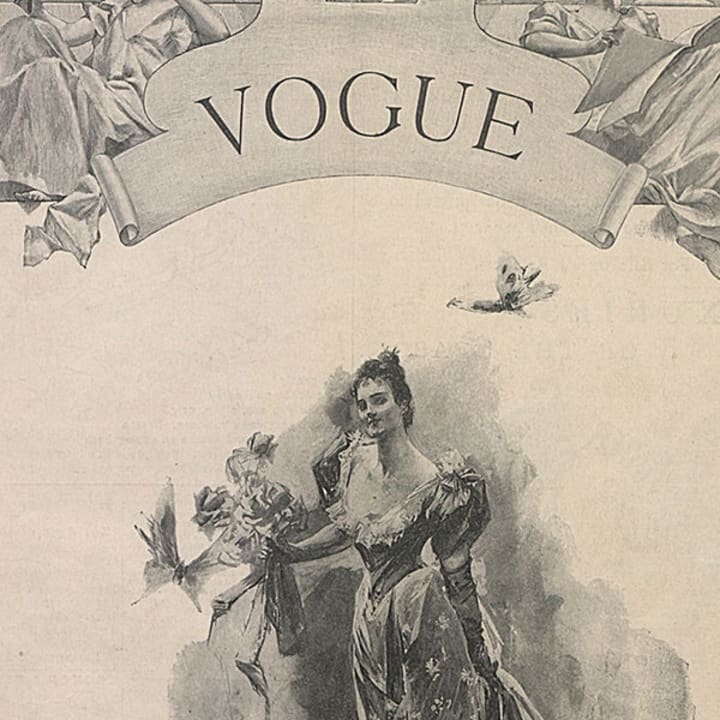
Edna Woolman Chase was the editor from 1914 to 1952 (38 years!). Under her watchful eye, Vogue delivered beautifully presented and authoritative content. Chase introduced new American talents to the fashion audience. At this time, Vogue gave full coverage to European and Parisian fashions. Chase’s approach was that she wanted the American women to exercise a certain ‘independence of taste.’
From 1952 to 1963, Jessica Davis now served as editor in chief and she is remembered mainly for her business acumen. Davis was followed by the flamboyant Dianne Vreeland, who was editor from 1963 to 1971. She documented “Youthquake” which was a street-influenced youth fashion, but she also was interested in the space age and psychedelic fashions. Grace Mirabella took over as editor for the years of 1971 to 1988. The watch-words of this editor was functionality and affordability. Mirabella approached the “antifashion” of the 1970’s which a level head. Now Vogue was targeting “the working woman.”
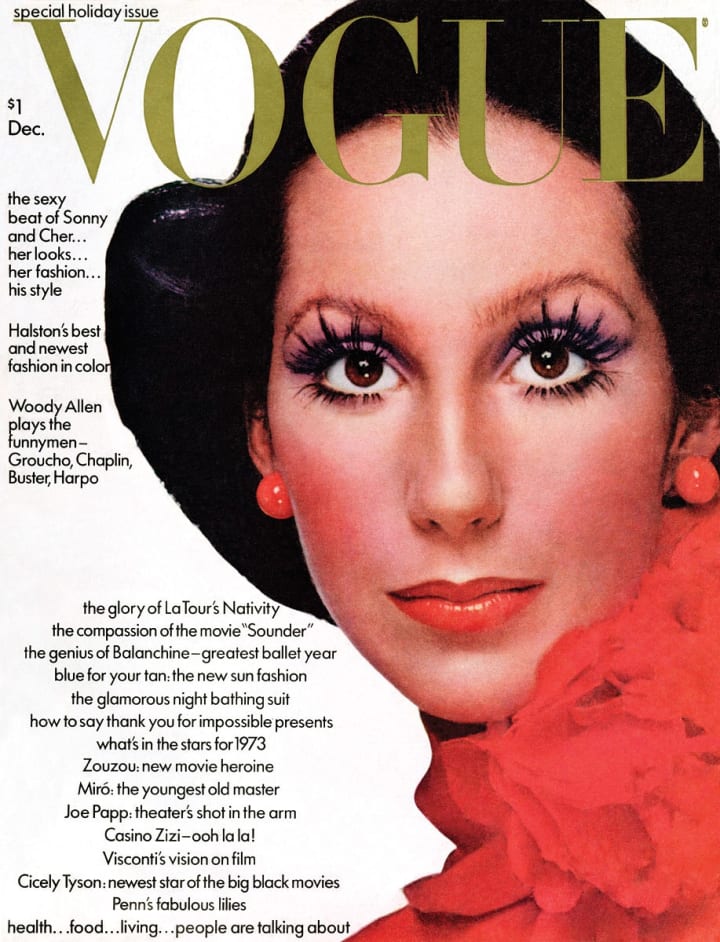
In 1988, Anna Wintour took over and she is still the editor in chief today (2020). Vogue was starting to lose ground to “Elle”, the latest up and coming fashion magazine, so Wintour took over Vogue, who wanted to “revitalize” the fashion magazine by making it younger and more approachable. Under Wintour’s influence, Vogue maintained its high circulation, and the staff started to discover new trends for a broader audience to afford. Whilst ‘leading’ Vogue, Wintour has overseen the production of some of the largest editions. For example, the September 2004 edition measured 832 pages which is the highest ever for a monthly magazine.
“Among Conde Nast executives, there was worry that the grand dame of fashion publications was losing ground to Elle, which in just three years had reached a paid circulation of 851,000, compared to Vogue’s 1.2 million. Thus, Conde Nast publisher Si Newhouse brought in the 30 year old Wintour, who through editor-in-chief positions at British Vogue and House & Garden, had become known not only for her cutting-edge visual sense, but also her ability to radically revamp a magazine --- to shake things up.” Amanda Fortini, fashion and style contributor for Slate.

Wintour herself says: “I am certainly very competitive. I like people who represent the best at what they do, and if that turns you into a perfectionist then maybe I am.”
Conde Montrose Nast ‘purchased’ Vogue in 1909 (one year before Turnure died). The magazine’s number of publications and profit increased under Nast’s management. When it was decided to print in England, it proved very successful. The first issue of French Vogue was in 1920. During it’s time with Vogue, Nast was responsible for introducing colour printing and the “two-page spread.” He has been credited with turning Vogue into a successful business and “the women’s magazine we recognize today.” Nast died in 1942 but his company still owns Vogue today.
The word “Vogue” itself means “style” in French and it has been described as “the world’s most influential fashion magazine.” The publication ‘claims’ to have reached 11 million readers in the U.S. and 12.5 million internationally. Anna Wintour had been described as one of the most powerful figures in fashion. In September 2013, Google partnered with Vogue to feature “Google Glass” which was a 12-page spread: “The Vogue September issue has become a cultural touchstone ahead of New York’s Fashion Week. Seeing Glass represented so beautifully in this issue is a huge thrill for the entire Glass team.” Chris Dale, who manages communications for the Glass team at Google.
The international editors of Vogue signed an initiative to “commit to promote positive body images” within the content of Vogue’s numerous editions. May 2013 marked its first anniversary. “In the magazine we’re moving away from those very young, very thin girls. A year down the track, we ask ourselves what can Vogue do about it? And an issue like this (June 2013 issue) is what we can do about it. If I was aware of a girl being ill on a photo shoot I wouldn’t allow that shoot to go ahead, or if a girl had an eating disorder I would not shoot her.” Edwina McCann, editor to Vogue Australia. The Australian edition of June 2013 was entitles “The Body Issue”, and it featured articles on exercise and nutrition, as well as ‘a diverse range of models.’ Vogue editors around the world want the magazines to reflect their commitment to the health of the models who appear on the pages and the wellbeing of their readers.” Jonathan Newhouse, international chairman for Conde Nast.
“As one of the fashion industry’s most powerful voices, Vogue has a unique opportunity to engage with relevant issues where we feel we can make a difference.” Alexandra Shulman, one of the magazine editors.
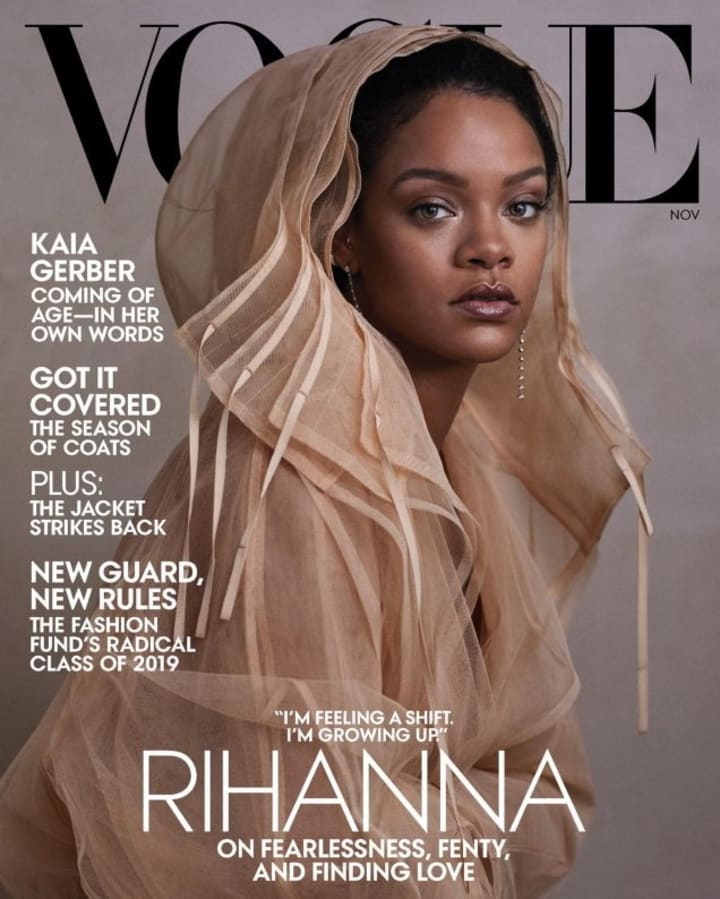
Still going strong today, over one hundred years later, “Vogue” is still “the stuff that many dreams are made of.”
(My research comes from Wikipedia and Vogue|LoveToKnow)
About the Creator
Ruth Elizabeth Stiff
I love all things Earthy and Self-Help
History is one of my favourite subjects and I love to write short fiction
Research is so interesting for me too
Keep reading
More stories from Ruth Elizabeth Stiff and writers in Styled and other communities.
The Fashion World
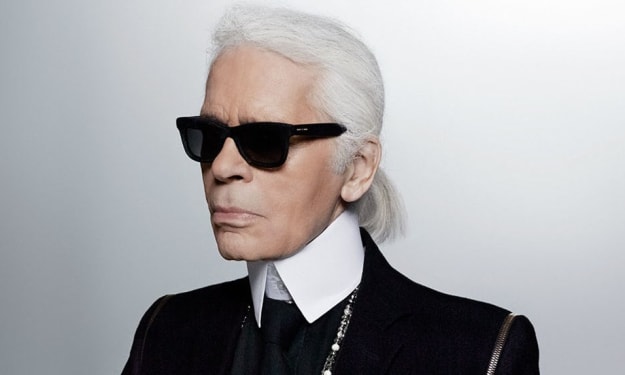
Who was Karl Lagerfield? He was another “giant” in The Fashion World and his name is known worldwide. Karl Lagerfield had his own ‘label’ and was a major creative force behind Tommy Hilfiger, Chanel and Fendi, as well as being able to speak four languages --- German, English, French and Spanish. He had a renaissance-like intelligence.
By Ruth Elizabeth Stiff5 years ago in Styled
What is a Silver Necklace for Women and Why It Matters
A silver necklace for women is one of the most loved jewellery items across the world. It is simple stylish and easy to wear with many outfits. Silver has been used for many years and it still remains popular today. Women choose silver necklaces for daily wear special events and also as gifts for loved ones. This article explains what a silver necklace is how it is made how to choose one and why it is such a trusted choice for many women.
By Rob Sherwin4 days ago in Styled
Latest Women’s Fashion News: Defining Trends, Styles, and Innovations Shaping 2026
Women’s fashion in 2026 is undergoing a decisive transformation driven by sustainability, technology, cultural fluidity, and a renewed emphasis on individuality. Designers, brands, and consumers alike are rethinking what fashion means in a world shaped by digital acceleration, climate awareness, and evolving lifestyles. From runways in Paris and Milan to street style in New York and Seoul, the latest women’s fashion news reflects a dynamic blend of heritage craftsmanship and future-forward innovation.
By duran lorena8 days ago in Styled


Comments
There are no comments for this story
Be the first to respond and start the conversation.